Exterior Siding Guide: Materials, Styles, Maintenance & Costs
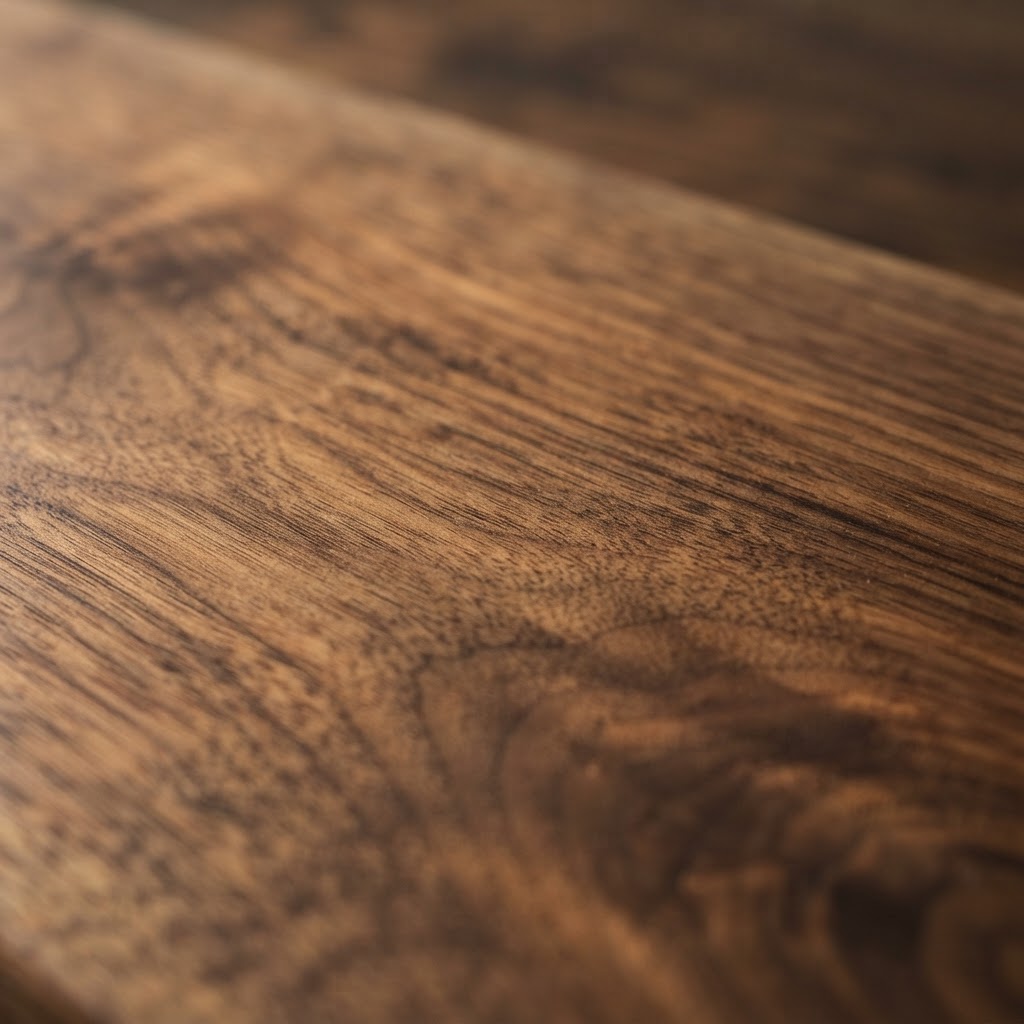
Siding Materials
Vinyl
The most popular siding material in North America, installed on roughly one-third of all homes. Vinyl is affordable, low-maintenance (no painting — color goes all the way through), and available in a wide range of styles and colors. Modern premium vinyl is thicker, more realistic, and more fade-resistant than older products.
Pros: Most affordable, lowest maintenance, never needs painting, huge color selection, easy to install, 20–40 year lifespan.
Cons: Can crack in extreme cold, warps near heat sources (grills, reflected sunlight), looks artificial up close (especially economy grades), limited repair options (must match existing lot), lower perceived value than fiber cement or wood.
Cost: $3–$8/sq ft installed.
Fiber Cement (Hardie Board)
A composite of cement, sand, and cellulose fibers. James Hardie is the dominant brand (HardiePlank). Fiber cement mimics the look of wood clapboard, shingle, or board-and-batten with superior durability. Non-combustible (fire-resistant), impervious to termites and rot, and dimensionally stable. The premium mainstream siding choice.
Pros: Looks like real wood, fire-resistant, rot-proof, termite-proof, paintable (ColorPlus factory finish available), 30–50 year lifespan, increases home value.
Cons: More expensive than vinyl, heavy (requires careful installation), needs repainting every 10–15 years (unless factory-finished), installation produces silica dust (requires respirator).
Cost: $6–$13/sq ft installed.
Wood
The classic, original siding material. Cedar and redwood are the most popular species for their natural rot resistance and beauty. Wood siding comes in clapboard (horizontal lap), shingle, shake, board-and-batten, and tongue-and-groove profiles. Nothing matches the warmth and character of real wood.
Pros: Unmatched beauty, natural material, can be painted or stained any color, excellent insulation properties, renewable resource.
Cons: Highest maintenance (paint/stain every 3–5 years), susceptible to rot, insects, and moisture damage, most expensive material (cedar/redwood), fire risk.
Cost: $6–$12/sq ft for cedar clapboard installed. $10–$20/sq ft for cedar shingles installed.
Engineered Wood (LP SmartSide)
Wood strands bonded with resin and treated with zinc borate for rot and termite resistance. Looks and feels like real wood at a lower cost. LP SmartSide is the dominant brand. Available in lap, panel, and trim profiles. Primed and ready to paint.
Cost: $4–$9/sq ft installed.
Metal (Steel or Aluminum)
Standing seam or horizontal lap profiles. Extremely durable, fire-resistant, low-maintenance, and modern. Popular on contemporary and industrial-style homes. Steel siding lasts 40–60+ years. Aluminum won't rust.
Cost: $7–$15/sq ft installed.
Styles
Horizontal lap (clapboard): Overlapping horizontal boards. The most traditional and popular siding style in America. Available in every material.
Board-and-batten: Wide vertical boards with narrow strips (battens) covering the seams. Farmhouse and rustic aesthetic. Increasingly popular for modern farmhouse designs.
Shingle/shake: Individual shingles creating a textured, layered appearance. Classic in New England, coastal, and Craftsman homes. Cedar is traditional; fiber cement and vinyl replicate the look.
Costs (2,000 sq ft Home)
Vinyl: $6,000–$16,000.
Engineered wood: $8,000–$18,000.
Fiber cement: $12,000–$26,000.
Wood (cedar): $12,000–$24,000+.
Metal: $14,000–$30,000.
Frequently Asked Questions
Lumberama Editorial Team
Exterior Home Improvement & Siding Specialists
Contributor to Lumberama’s reference library. Read our editorial standards and source methodology.
Continue researching siding
Where readers of this article usually go next.
Related Articles
Window Treatment Guide: Blinds, Curtains & Shutters
Find the perfect window coverings with this comprehensive guide.
Exterior Painting Guide: Cost, Tips & Best Paint
Protect and beautify your home's exterior with this guide.
Siding Guide: Types, Cost, Pros & Cons
Choose the right siding material for your home with this comprehensive siding guide.