Exterior Paint Guide: Prep, Types, Colors & Weather Protection
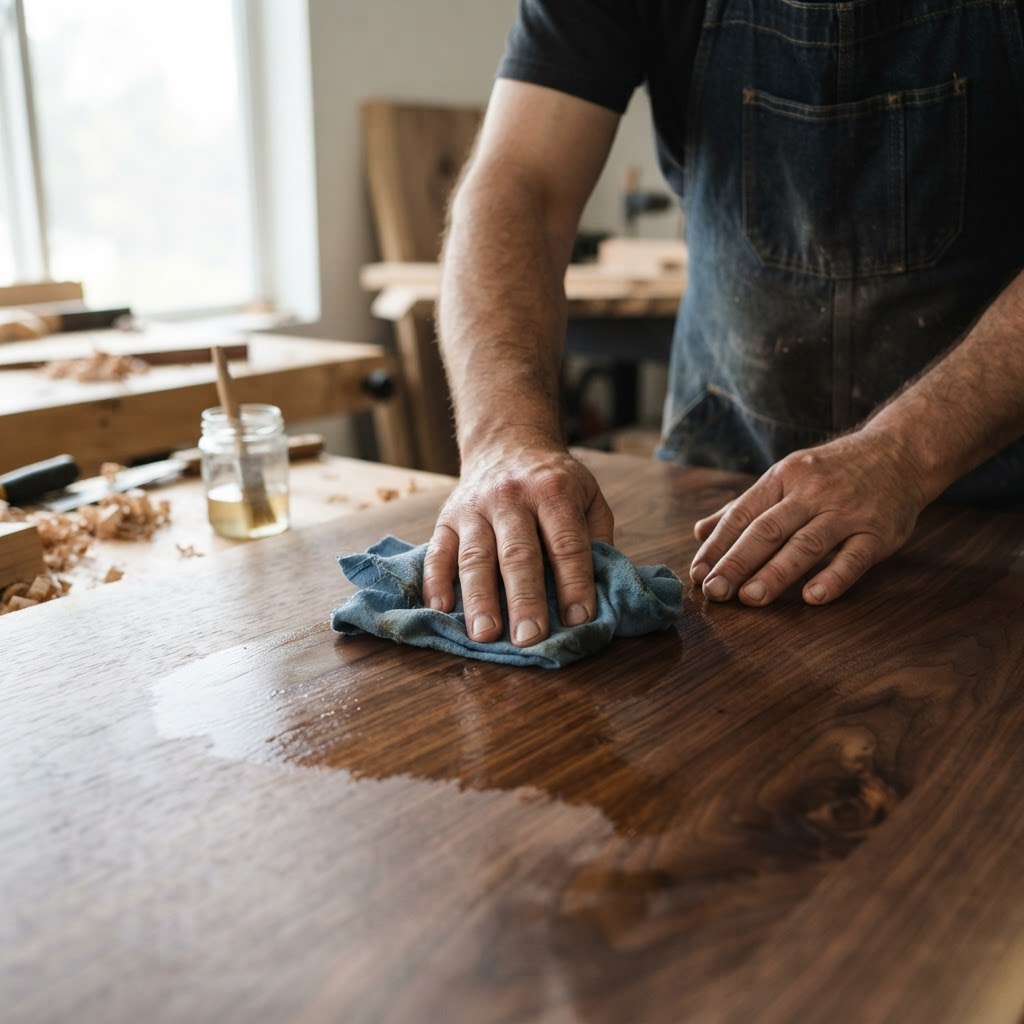
Surface Preparation
Exterior paint preparation is even more critical than interior. The paint must bond to a clean, sound surface and withstand sun, rain, wind, and temperature extremes for 7–15 years. Skipping prep is the number one reason exterior paint fails prematurely.
Power washing: Start by power washing all surfaces to remove dirt, mildew, chalking (powdery residue from old paint), and loose debris. Use 1,500–2,500 PSI for painted wood siding. Let dry completely (24–48 hours) before painting. Add a mildew-killing detergent for areas with visible mold or algae.
Scraping and sanding: Scrape all loose, peeling, and flaking paint with a rigid paint scraper. Feather-sand the edges of scraped areas so there's no visible ridge between bare wood and intact paint. Sand glossy surfaces lightly to help the new paint adhere.
Caulking: Caulk all gaps and joints — around windows, door frames, trim joints, and where siding meets trim. Use high-quality paintable exterior caulk (silicone-modified acrylic like DAP Alex Flex). Caulk fills gaps that allow water infiltration and creates a finished appearance.
Repair: Replace rotted wood with new lumber or epoxy wood filler. Fill nail holes and small defects with exterior-grade wood filler. Replace any damaged or missing siding boards.
Primer
Primer is essential for: bare wood, areas scraped to bare substrate, stain blocking (tannin bleed from cedar and redwood), switching from oil-based to latex paint, and covering dark colors with a lighter color.
Acrylic latex primer: The standard exterior primer for most applications. Flexible (moves with seasonal wood expansion), breathable, and easy to apply. Use on clean, sound previously-painted surfaces and new construction.
Oil-based (alkyd) primer: Superior adhesion and stain blocking. The best choice for bare wood, chalky surfaces, and tannin-bleeding woods (cedar, redwood). Oil-based primer penetrates deeply into wood for a tenacious bond. Use under latex or oil top coats.
Shellac-based primer (BIN): The nuclear option for stain blocking. Blocks virtually any stain — tannin bleed, water stains, smoke damage, knots. Fast-drying. Use for spot-priming problem areas.
Paint Types
100% Acrylic Latex
The modern standard for exterior paint. Acrylic latex is water-based, flexible, breathable, fast-drying, and easy to clean up. High-quality 100% acrylic formulas (as opposed to vinyl-acrylic blends) provide excellent adhesion, color retention, and durability. All premium exterior paints are 100% acrylic.
Top brands: Benjamin Moore Aura Exterior, Sherwin-Williams Duration, PPG Timeless, Behr Marquee Exterior. Expect to pay $40–$70 per gallon for premium exterior paint.
Oil-Based (Alkyd)
Traditional oil-based paints provide a hard, durable finish with excellent adhesion. Oil paint is superior on bare wood and for trim/door applications where a hard, smooth finish is desired. However, oil paint is less flexible than acrylic (cracks sooner as wood moves), yellows over time (especially whites), and requires mineral spirits for cleanup. Increasingly restricted by VOC regulations.
Sheen Guide
Flat: No shine. Hides surface imperfections well. Best for siding on older homes with imperfect surfaces. Lower durability and harder to clean than higher sheens.
Satin (low-luster): The most popular exterior sheen. A subtle sheen that's durable, easy to clean, and looks good on all siding types. The best all-around choice for exterior walls.
Semi-gloss: Noticeable shine. Very durable and easy to clean. The standard for trim, doors, shutters, and railings. The contrast between satin siding and semi-gloss trim creates a polished, professional look.
Gloss: Maximum shine and durability. For front doors and accent features where a high-impact, glossy finish is desired.
Application Tips
Temperature: Paint when daytime temperatures are 50–90°F (ideally 60–80°F). Avoid painting in direct sunlight (causes the paint to dry too fast, leaving brush marks and poor adhesion). Paint the sunny side in the morning shade and the shady side in the afternoon. Don't paint if rain is expected within 4–6 hours.
Two coats always: Two coats of premium exterior paint over a properly primed surface provides the best coverage, color uniformity, and longevity. One coat is never adequate for a professional-looking, durable exterior paint job.
Brushing vs spraying: Spraying is faster for large, uniform surfaces (siding). Back-brushing (spraying then immediately working the paint into the surface with a brush) provides the best results. Brushing alone is best for trim, doors, and detail work.
Costs
Paint: Budget: $25–$35/gallon. Premium: $40–$70/gallon. One gallon covers 300–400 sq ft (one coat).
DIY whole house: $500–$2,000 for paint and supplies (2,000–4,000 sq ft of siding).
Professional: $2,000–$6,000 for a 2,000 sq ft home. $4,000–$10,000+ for larger homes or significant prep work.
Frequently Asked Questions
Lumberama Editorial Team
Exterior Painting & Home Maintenance Specialists
Contributor to Lumberama’s reference library. Read our editorial standards and source methodology.
Continue researching siding
Where readers of this article usually go next.
Related Articles
Caulking Guide: Types, Application & Maintenance
Seal gaps and prevent water damage with this comprehensive caulking and sealant guide.
Grout Guide: Types, Colors & Maintenance
Choose and maintain the right grout for your tile with this comprehensive grout guide.
Deck Staining Guide: Products, Techniques & Cost
Protect and beautify your deck with this comprehensive deck staining guide.