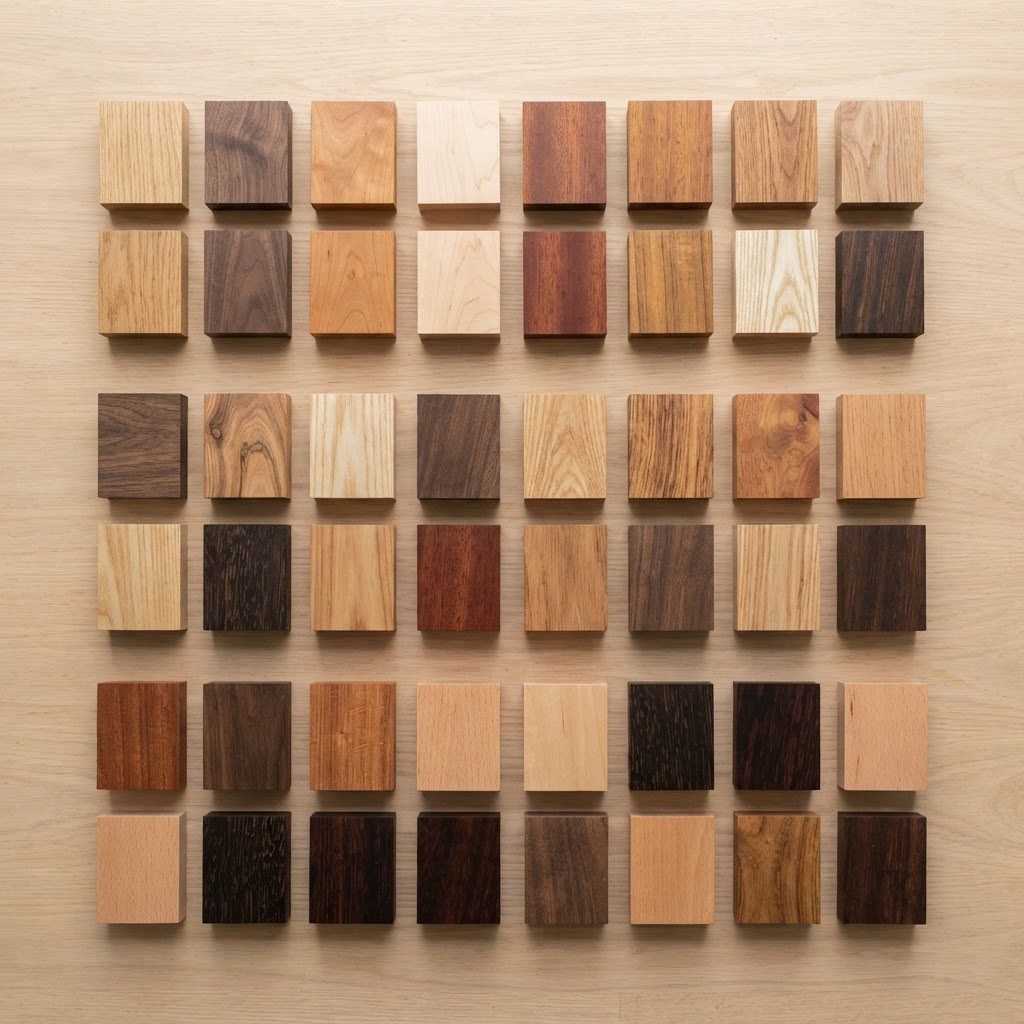
What Is Composite Decking
Composite decking is made from a blend of wood fibers and plastic (polyethylene or polypropylene). It mimics the look of natural wood without the maintenance. Most composite boards are capped (wrapped in a protective polymer shell) that resists staining, fading, and scratching. Composite has become the most popular decking material, overtaking pressure-treated wood in new deck construction.
Top Brands
Trex: The market leader. Three product lines: Enhance (budget: $4-$6/linear ft), Select (mid-range: $5-$7/linear ft), and Transcend (premium: $7-$10/linear ft). 25-year limited warranty. The most widely available composite brand.
TimberTech/AZEK: Premium competitor to Trex. Composite lines: Pro, Edge, and Prime. AZEK (PVC) lines: Vintage, Harvest, and Landmark. Prices: $5-$12/linear ft. 25-50 year warranties. Known for realistic wood grain and superior color retention.
Fiberon: Value-oriented brand. Lines: Good Life (budget), Symmetry (mid), and Paramount (premium PVC). Prices: $3-$8/linear ft. Competitive pricing with good quality.
MoistureShield: Specializes in moisture resistance. Can be installed in ground contact and underwater. Lines: Vision, Elevate, and CoolDeck. Prices: $5-$9/linear ft.
Deckorators: Budget-friendly options. Mineral-based composite (unique composition). Lines: Vault and Voyage. Prices: $3-$6/linear ft.
Composite vs Wood
Composite pros: No staining, sealing, or painting ever. Does not rot, warp, or splinter. Resists mold, mildew, and insects. Consistent appearance (no knots or grain variation). Lasts 25-50+ years. Eco-friendly (made from recycled materials).
Composite cons: Higher upfront cost (2-3x pressure-treated wood). Can get hot in direct sun (darker colors especially). Cannot be sanded or refinished. Heavier than wood. Can look less natural than real wood (though newer products are very realistic).
Wood (pressure-treated) pros: Lower upfront cost ($2-$4/linear ft). Natural appearance and feel. Can be stained any color. Lighter weight.
Wood cons: Requires annual maintenance (staining/sealing). Warps, splits, and splinters. Shorter lifespan (10-20 years). Rots and attracts insects without maintenance.
PVC vs Composite
PVC (cellular PVC): 100% synthetic (no wood fibers). Examples: AZEK, TimberTech Advanced PVC. Pros: the most moisture-resistant (will not absorb any water), lightest weight, and best stain resistance. Cons: most expensive ($8-$14/linear ft), can feel less natural underfoot, and more thermal expansion.
Composite (capped): Wood fiber + plastic blend. Pros: more natural feel and appearance, less thermal expansion, and more affordable. Cons: can absorb some moisture (though capping minimizes this) and slightly shorter lifespan than PVC.
Costs
Materials only (per linear foot of board): Budget composite: $3-$5. Mid-range composite: $5-$8. Premium composite: $7-$10. PVC: $8-$14. Pressure-treated wood: $2-$4. Cedar: $4-$8.
Installed deck cost (materials + labor, per sq ft): Pressure-treated: $15-$25. Composite (mid-range): $25-$40. Composite (premium): $35-$50. PVC: $40-$60.
Average 300 sq ft deck: Pressure-treated: $4,500-$7,500. Composite (mid-range): $7,500-$12,000. Composite (premium): $10,500-$15,000.
20-year cost (including maintenance): Pressure-treated: $7,500-$15,000 (including staining every 1-2 years). Composite: $7,500-$12,000 (no maintenance). Over 20 years: composite and wood cost roughly the same.