Baseball Bat Wood Guide: Ash, Maple & Birch Compared for Performance
White Ash
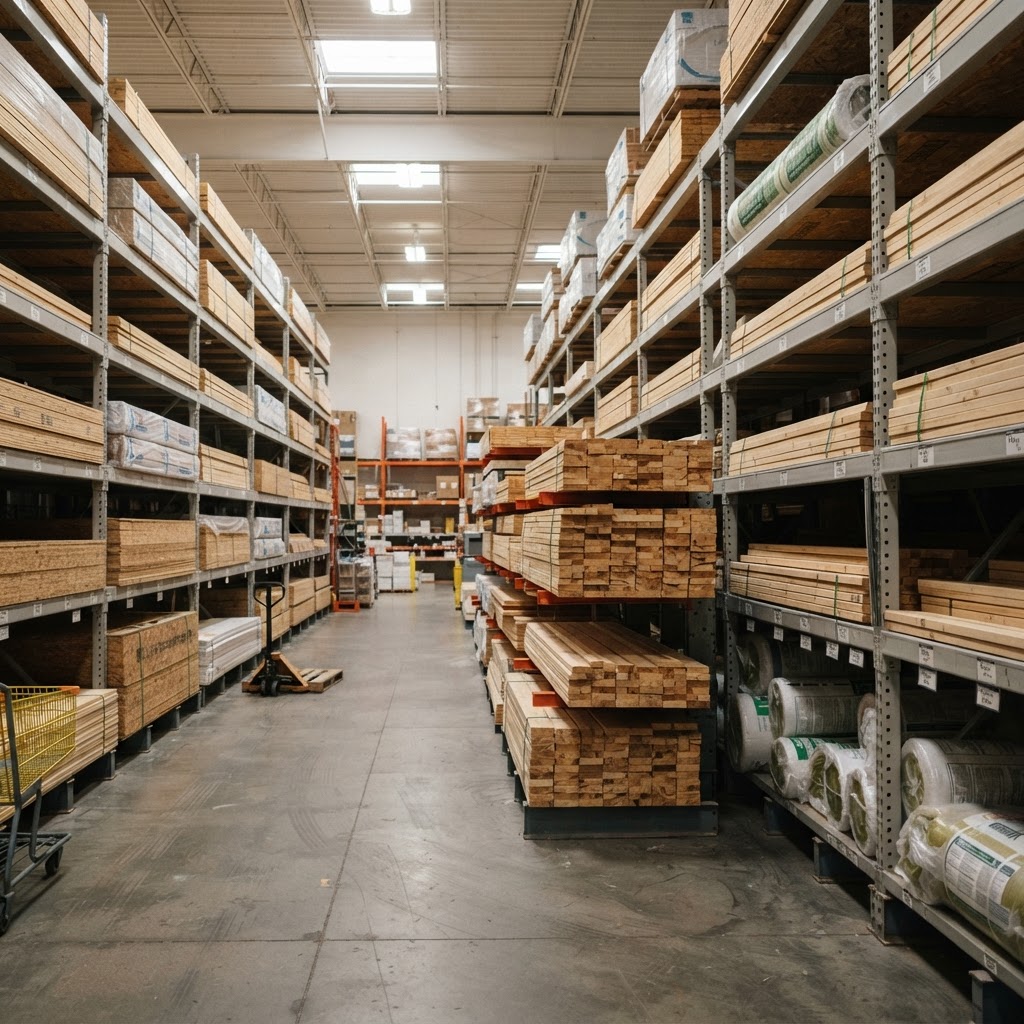
White ash (Fraxinus americana) was THE bat wood for over a century. From Babe Ruth to Ken Griffey Jr., virtually every great hitter used an ash bat. Louisville Slugger built its reputation on ash bats sourced from forests in Pennsylvania and New York.
Properties: Ash is ring-porous (open-grained), which creates a distinctive flex on contact. The ball compresses into the bat face slightly, creating a "trampoline effect" that many hitters describe as a softer, more forgiving feel. Ash bats have a larger sweet spot than maple because the flex distributes the impact energy over a wider area.
Weight: Ash is lighter than maple (specific gravity 0.60 vs. 0.63 for maple). This allows ash bats to be made slightly lighter or slightly larger at the same swing weight, giving hitters a bigger barrel or faster swing speed.
Durability: Ash bats flake and chip over time (the open pores separate under repeated impact). An ash bat shows wear gradually — surface flaking, grain separation, and eventual cracking. This gradual degradation is actually a safety advantage: the bat gives warning signs before catastrophic failure. Ash bats typically last fewer at-bats than maple bats because the surface degrades faster.
MLB use: Ash dominated MLB from the 1880s until the early 2000s. Ash use has declined sharply since Barry Bonds popularized maple bats in the late 1990s. Today, approximately 25-30% of MLB bats are ash (down from nearly 100% in the 1990s). The decline of ash is partly due to the emerald ash borer (an invasive beetle that has killed hundreds of millions of ash trees, reducing the supply of quality bat-grade ash billets).
Hard Maple
- Hard maple (sugar maple, Acer saccharum) became popular in MLB after Barry Bonds used a maple bat during his record-breaking 73-home-run season in
- 2
- 0
- 0
- Sam Bat (a Canadian company) pioneered maple bats. By the 2010s, maple surpassed ash as the most popular bat wood in professional baseball.
Properties: Maple is diffuse-porous (closed-grained), which makes it harder and denser than ash. The closed grain creates a harder hitting surface with less flex. The ball comes off a maple bat with more energy transfer (harder contact, higher exit velocity). The feel is stiffer and more rigid than ash.
Weight: Maple is denser than ash (specific gravity 0.63). Maple bats are typically slightly heavier than ash bats of the same dimensions, or the barrel must be slightly smaller to achieve the same swing weight.
Durability: Maple bats are harder and more durable on the hitting surface. They don't flake or chip like ash. However, maple bats fail catastrophically — when they break, they shatter into dangerous multi-piece failures (flying barrel halves). This safety concern led MLB to implement bat density and slope-of-grain standards in 2009 to reduce shattering. Properly manufactured maple bats are now safer than early designs.
MLB use: Approximately 60-65% of MLB bats are now maple. It's the dominant bat wood at the professional level. Major brands: Sam Bat, Marucci, Chandler, Victus, Old Hickory.
Yellow Birch
Yellow birch (Betula alleghaniensis) is the newest bat wood to gain significant market share. Birch combines some properties of both ash and maple, and many players consider it the best of both worlds.
Properties: Birch is diffuse-porous like maple (closed grain, hard hitting surface) but has a slightly lower density, giving it a flex characteristic between ash and maple. Birch bats feel harder than ash but slightly more forgiving than maple. The surface hardens with use (compression hardens the wood fibers), so birch bats actually get better over their first 50-100 at-bats.
Weight: Between ash and maple (specific gravity approximately 0.62). Birch allows a slightly larger barrel than maple at the same swing weight.
Durability: Good durability. Birch doesn't flake like ash, and it doesn't shatter as dramatically as maple. Birch bats tend to crack or split along the grain rather than exploding into multiple pieces. Many players consider birch the safest of the three species.
MLB use: Approximately 10-15% and growing. Birch is the fastest-growing bat wood species. Major brands: Marucci, Victus, and B45 offer popular birch models. Many young players in the minor leagues are switching to birch.
Which Wood for You
Choose ash if: You prefer a lighter bat with more flex and a larger sweet spot, you're a contact hitter who values bat speed, or you want the classic, traditional feel.
Choose maple if: You're a power hitter who wants maximum energy transfer, you prefer a stiff, hard-contact feel, or you want the most durable hitting surface.
Choose birch if: You want a balance of maple's hardness and ash's flex, you're transitioning from aluminum/composite to wood, or you want a bat that improves with use (compression hardening).
Frequently Asked Questions
Lumberama Editorial Team
Specialty Wood & Baseball Bat Construction Specialists
Contributor to Lumberama’s reference library. Read our editorial standards and source methodology.
Explore related resources
Where readers of this article usually go next.
Related Articles
Wainscoting Guide: Types, Cost & Installation Ideas
Add classic charm and protection to your walls.

Trim & Baseboard Guide: Types, Cost & Installation
Finish your rooms with the perfect trim.
Crown Molding Guide: Types, Cost & Installation
Add elegance to any room with crown molding.