Black Locust Wood Guide 2026
Robinia pseudoacacia
Black Locust is an extraordinarily durable domestic hardwood with natural rot resistance rivaling tropical species. Its greenish-yellow to dark brown heartwood is extremely hard and stiff, making it ideal for ground-contact applications. Widely used in Europe for outdoor construction, it is gaining recognition in North America as a sustainable alternative to tropical hardwoods and pressure-treated lumber.
Catalog Price Reference
Unverified catalog note: Extremely rot-resistant domestic hardwood. Very hard (1,700 Janka).
Unverified catalog reference, not a current offer. Supplier price source, quotation date and exact grade/milling basis are not recorded in these pricing fields. A page update is not price verification; freight and tax remain unknown until quoted. Enter a dated quote and build a specification.
Wood Appearance
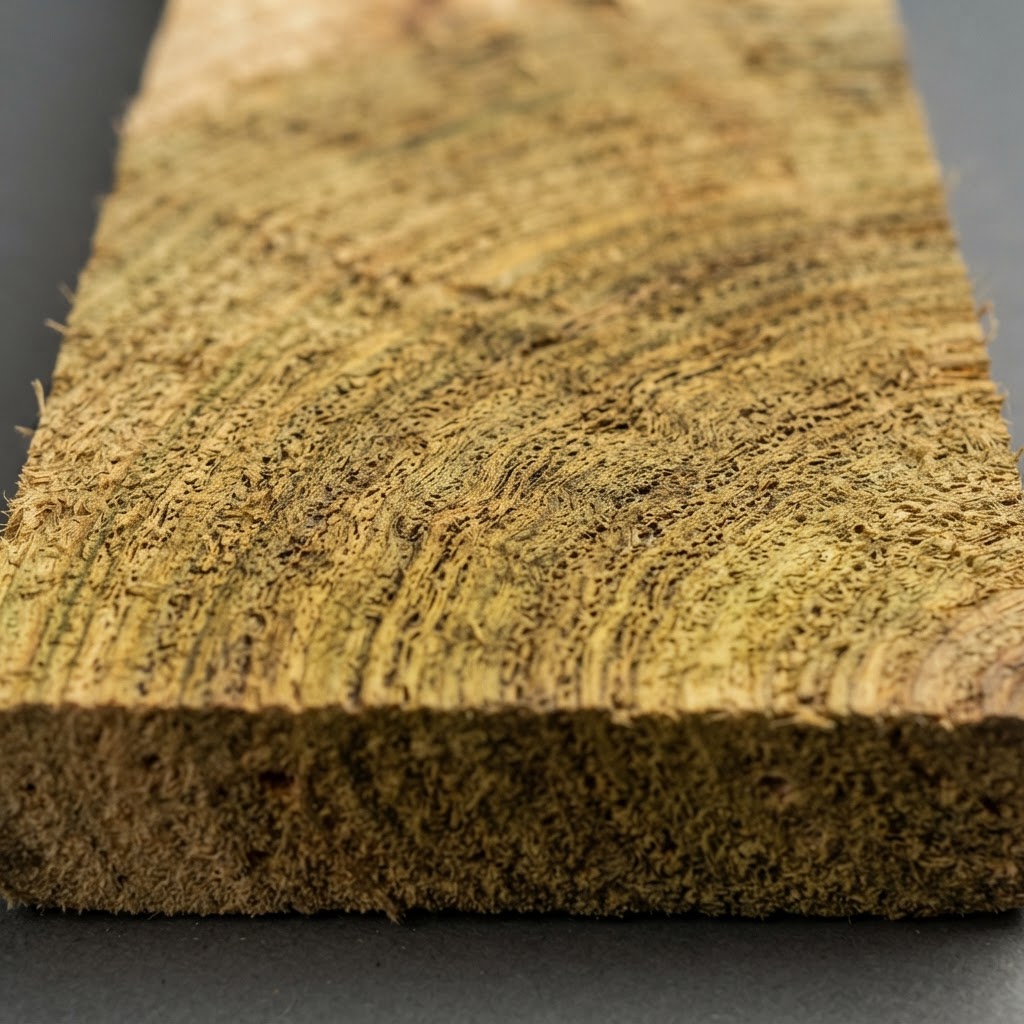
Natural Grain
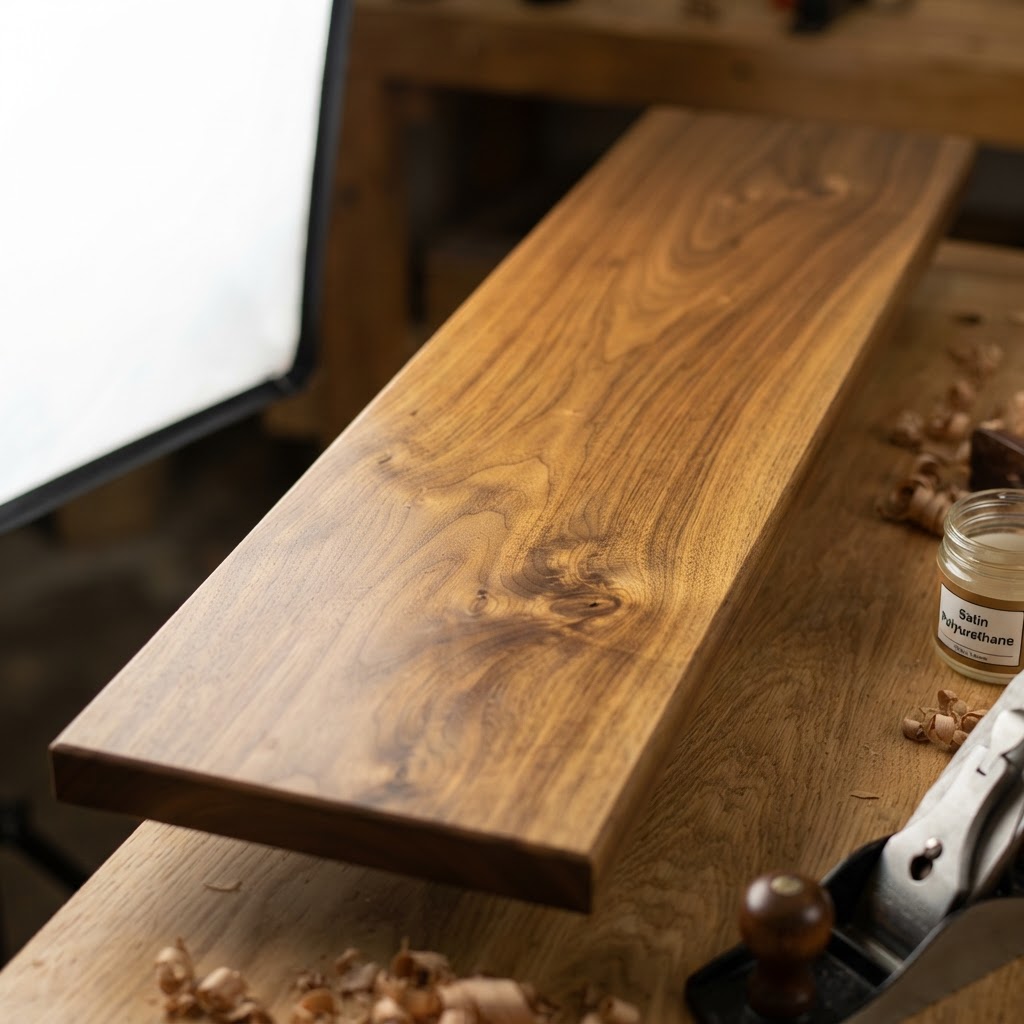
Finished Surface
Key Takeaways
- Density: 48 lbs/ft³
- Classification: Hardwood
- Origin: United States, Southeastern Europe (naturalized)
- Catalog price ranges are unverified references, not available offers
- Common uses include Fence posts, decking, outdoor furniture
Quick Facts
Representative reference values — natural wood varies by growing region, moisture content and individual board.
Durability, Stability & Workability
Texture: Medium
Workability: Very hard; difficult to machine; pre-drill.
Fastening: Pre-drilling recommended for screws and nails.
Finishing: Often left unfinished outdoors.
Color change: Yellow-green darkens to russet brown, then gray.
Insect resistance: Highly resistant
Ratings and published values are representative reference figures. Natural wood varies with growing region, moisture content and individual boards — treat them as guidance, not guarantees.
Common Sizes & Availability
Typical market availability for Black Locust. Lumberama is a sourcing marketplace — actual stock, widths and lengths vary by supplier. Request a quote to confirm what's available for your project.
| Thickness | Rough | Typical surfaced | Typical widths | Common lengths | |
|---|---|---|---|---|---|
| 4/4 | 1" | 13/16" (3/4" common) | Random narrow widths 3–8 in.; trees are small | Random lengths 4–10 ft; long lengths rare | Request this size |
| 8/4 | 2" | 1-3/4" | Random narrow widths 3–8 in.; trees are small | Random lengths 4–10 ft; long lengths rare | Request this size |
- 4/4rough 1"
- Surfaced
- 13/16" (3/4" common)
- Widths
- Random narrow widths 3–8 in.; trees are small
- Lengths
- Random lengths 4–10 ft; long lengths rare
- 8/4rough 2"
- Surfaced
- 1-3/4"
- Widths
- Random narrow widths 3–8 in.; trees are small
- Lengths
- Random lengths 4–10 ft; long lengths rare
Decking & exterior profiles
Limited decking; more common as posts, sills and landscape timbers
Availability notes: Regional sawmill supply; not widely stocked. Lead times common.
How lumber sizes are described
- Rough (4/4, 8/4…)
- Hardwood thickness in quarters of an inch as sawn, before surfacing. 4/4 = 1" rough.
- Surfaced (S2S/S4S)
- Thickness after planing. 4/4 typically finishes at 13/16" or 3/4".
- Nominal vs. actual
- Construction lumber is sold by nominal size; a 2x6 measures about 1-1/2" x 5-1/2".
- Random width / length
- Most hardwood is sold as it comes from the log — widths and lengths vary within a range rather than being fixed.
Color & Grain
Color: Greenish yellow to golden brown heartwood darkening with age; pale yellow sapwood
Grain: Straight to irregular grain with a coarse, uneven texture
Common Uses
- Fence posts
- decking
- outdoor furniture
- boat building
- mine timbers
- landscaping timbers
Key Characteristics
Also known as: Yellow Locust, False Acacia, Robinia
Availability: Supplier confirmation required; this reference is not live inventory.
Advantages
- Janka indentation hardness: 1,700 lbf
- Heartwood decay rating: Very Durable
- Sourced from United States, Southeastern Europe (naturalized)
Considerations
- Pre-drilling recommended for fasteners
- Hardness does not establish decay resistance or structural design strength
- Compare dated quotes on the same grade, dimensions and milling basis
Frequently Asked Questions
Alternatives to Consider
Species commonly specified for similar applications when Black Locust is unavailable or over budget.