Poplar vs Alder: Painted Trim, Cabinets, Staining and Cost
By Lumberama · Updated 10/1/2026 · Source-based editorial guidance; no individual expert review claimed. Editorial standards
Yellow-poplar and red alder are relatively soft domestic hardwoods used for interior furniture, trim and cabinets. Poplar is commonly selected for painted parts; alder can suit warm natural or stained finishes. Neither is universally cheapest, knot-free or guaranteed to stain evenly. Confirm species, grade rules, usable dimensions and the intended finish before choosing between supplier offers.
Poplar
Alder
Key Takeaways
- Yellow-poplar and red alder are relatively soft domestic hardwoods used for interior furniture, trim and cabinets.
- Poplar is commonly selected for painted parts; alder can suit warm natural or stained finishes.
- Neither is universally cheapest, knot-free or guaranteed to stain evenly.
- Yellow-poplar is a common choice for painted interior work, while red alder is a useful option for warm natural or stained cabinetry.
- Both can be painted or clear-finished with appropriate appearance selection.
| Property | Poplar | Alder |
|---|---|---|
| Species Scope | Yellow-poplar / American tulipwood (Liriodendron tulipifera), not Populus | American red alder (Alnus rubra) |
| Representative Hardness | AHEC: 2,402 N, approximately 540 lbf | AHEC: 2,624 N, approximately 590 lbf |
| Surface Wear | Relatively soft; can dent. Finish scratch resistance is a separate issue. | Slightly higher reference hardness; still relatively soft and dent-prone. |
| Paint | Common for painted trim and components with suitable preparation | Can also be painted; select acceptable knots and prepare appropriately |
| Clear Or Stained Finish | Variable color can be selected or featured; test samples | Warm appearance can suit exposed cabinetry; uniform staining is not guaranteed |
| Grade Rules | Specify actual grade and clear part requirements | Pacific Coast Red Alder or supplier-specific rules; clarify better-face grading and pin knots |
| Untreated Exterior Use | Naturally non-durable; do not assume paint approves exterior exposure | Naturally non-durable; a documented treated product requires separate evaluation |
| Price And Value | Use equivalent dated delivered quotes and cut-list yield | No universal premium; compare grade, character, milling and usable yield |
Poplar
Pros
- Commonly used for painted trim and interior components
- Readily machined with appropriate tooling
- Selected or varied natural color can suit an intentional clear-finished design
Cons
- Relatively soft and susceptible to dents
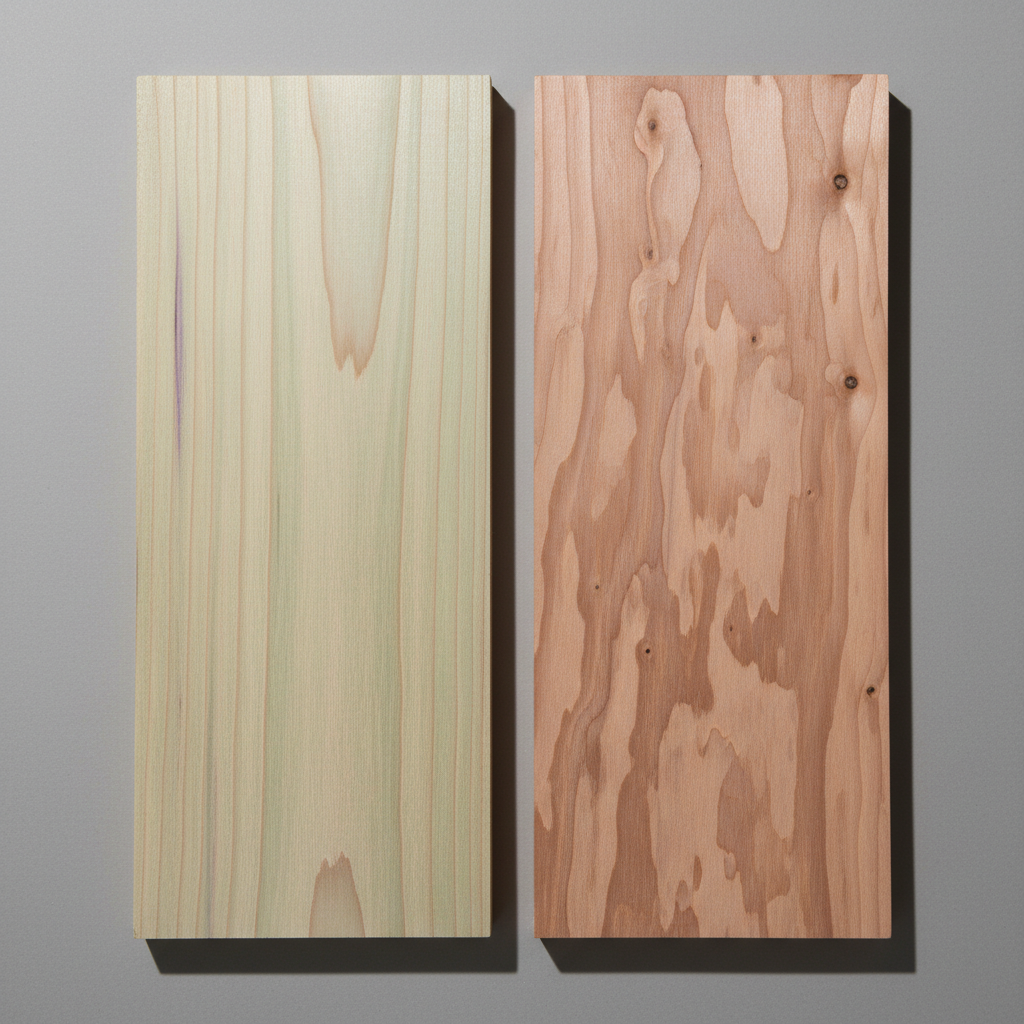
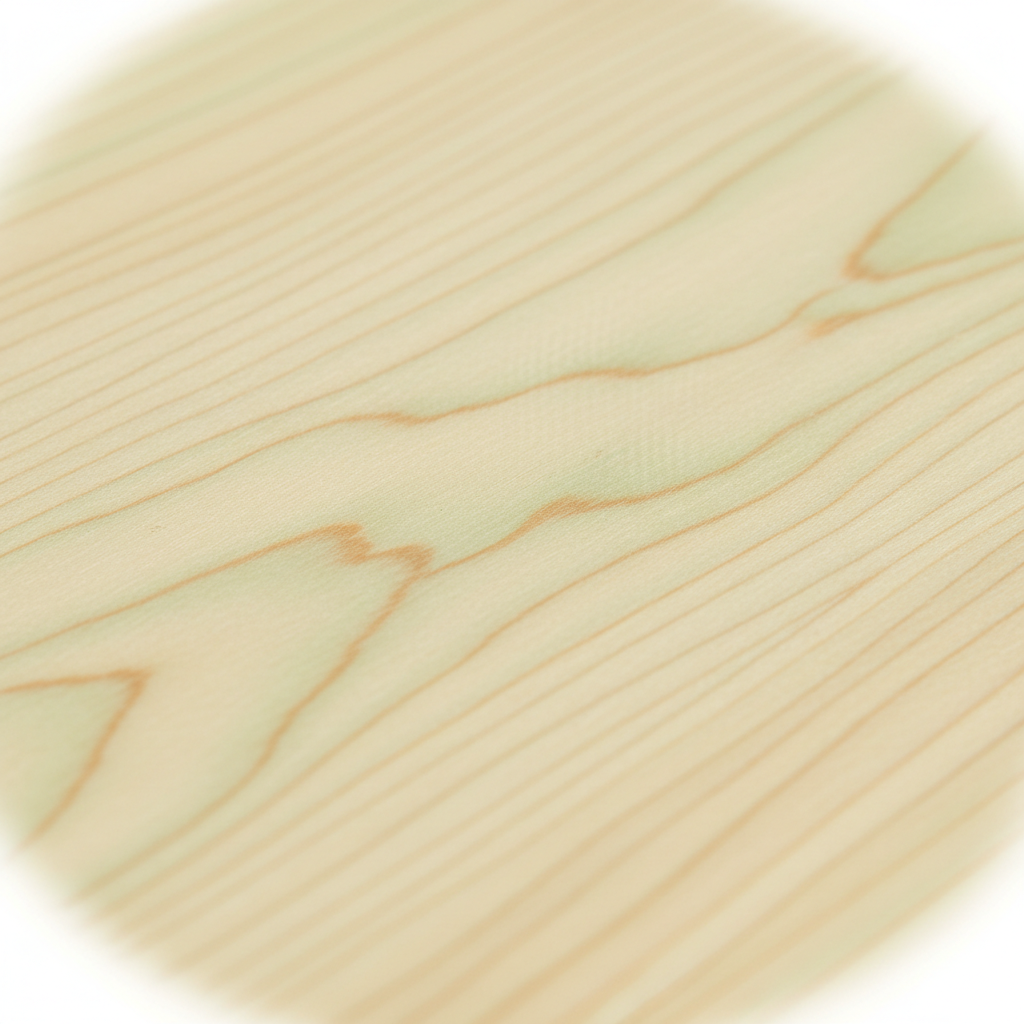
- Green, purple or dark streaks may require appearance selection
- Untreated stock lacks natural decay resistance
Alder
Pros
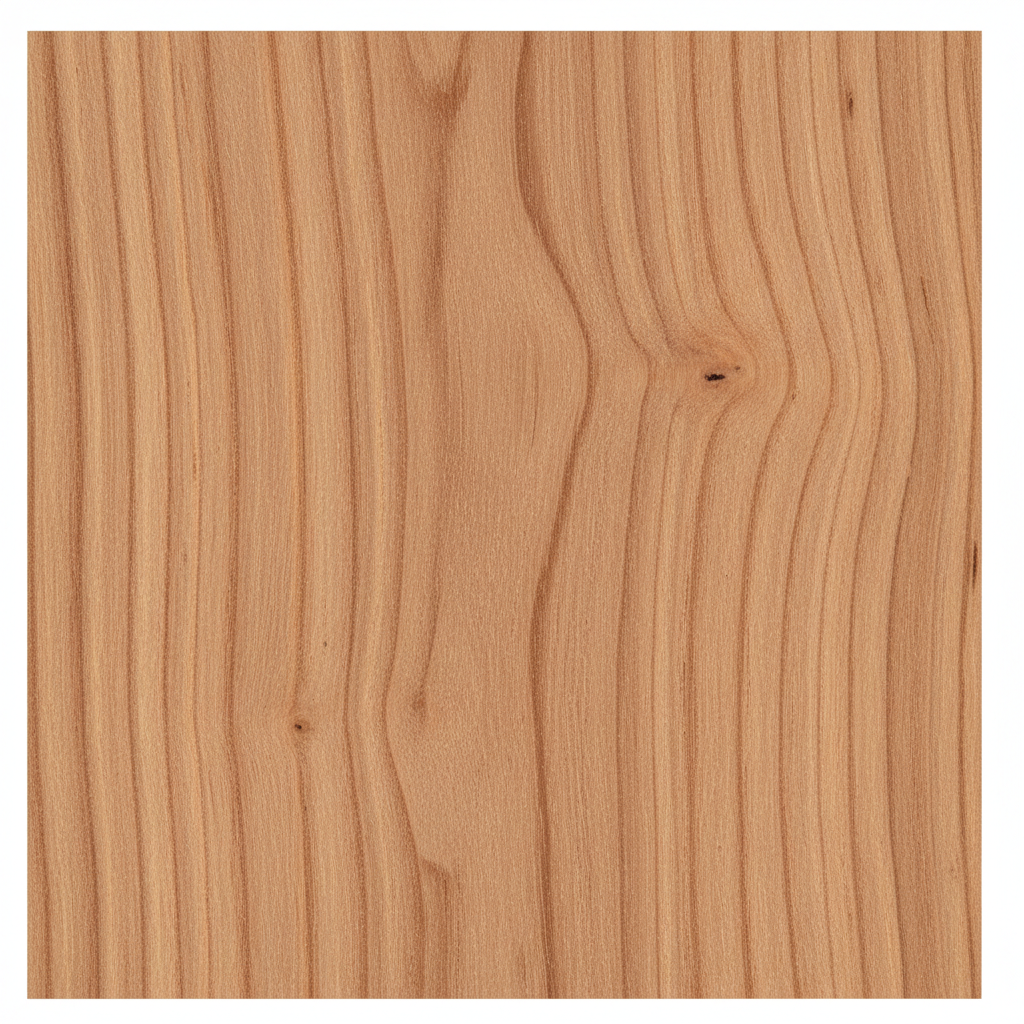
- Warm appearance can suit exposed cabinet and furniture parts
- Good machining and gluing potential
- Can be used for painted as well as stained interior work
Cons
- Relatively soft despite its modest hardness advantage
- Knots and grading rules need clarification
- Stain uniformity and untreated exterior durability are not guaranteed
Best Use Cases
For painted interior trim or cabinet components, compare suitable yellow-poplar and red alder grades with the same preparation and finish scope. For exposed wood, approve a representative sample showing the acceptable color, knots and grain. Use the actual part dimensions and clear-cutting yield to evaluate cost; a nominal grade name or species price alone is not enough.
Verdict
Yellow-poplar is a common choice for painted interior work, while red alder is a useful option for warm natural or stained cabinetry. Both can be painted or clear-finished with appropriate appearance selection. Choose by verified grade, construction, finish sample and usable delivered cost rather than universal claims about price or staining.
Approximate hardness values are rounded conversions of AHEC’s reference values. They describe indentation resistance, not batch certification, finish scratch resistance, structural capacity or service life. Compare measurement conditions before combining values from different references.
Poplar and alder: identify the actual species
Here, poplar means American yellow-poplar or tulipwood (Liriodendron tulipifera), not the Populus species sold in other markets. Alder means American red alder (Alnus rubra). Both are botanically hardwoods but relatively soft in indentation tests. Trade names do not establish species, grade, color selection or finished dimensions, so include the botanical name or confirmed commercial group in a request for quote.
Which is better for painted trim and cabinets?
Yellow-poplar is commonly used for painted trim and interior parts because it machines readily and can provide a suitable surface after preparation. Red alder can also be painted. Neither species guarantees a knot-free, perfectly smooth result: select the grade, allowable character and finish schedule for the visible components. Check primer compatibility and sample the actual stock. For cabinet doors, panel construction and seasonal movement remain relevant even beneath an opaque finish.
Stained alder and clear-finished poplar
Alder’s relatively consistent warm appearance can suit stained cabinetry and furniture. Yellow-poplar may contain green, purple or darker streaks; those can be a design feature rather than an automatic defect. A clear finish on selected poplar is a valid appearance choice, not a technical prohibition. Both species need finish samples, consistent sanding and an appropriate color system. Do not promise that alder always stains evenly or that a cherry-colored stain reproduces cherry’s grain and aging.
How much does the hardness difference matter?
AHEC reports hardness of 2,402 N for American tulipwood and 2,624 N for red alder, approximately 540 and 590 lbf. The difference is modest; both can dent in high-contact applications. Reference hardness is not the scratch resistance of the finish or a furniture load rating. Compare joint design, thickness, fasteners and product construction as well as the intended use. For heavily used surfaces, consider harder alternatives or a suitable tested assembly.
Alder grades are not simply interchangeable with poplar grades
AHEC notes that red alder uses Pacific Coast Red Alder grading rules and may also be sold under supplier-specific grades. Better-face grading and pin-knot treatment can differ from standard NHLA hardwood grading. Ask for the actual rules and accepted character, not just a grade name such as Cabinet or Superior. Compare the clear pieces needed for your cut list, and specify whether visible knots, repairs and color variation are acceptable on doors and trim.
Outdoor use requires a different specification
Untreated yellow-poplar and red alder lack natural heartwood decay resistance. Ordinary interior stock should not be used outdoors merely because it has been painted. That does not mean every treated or modified product of these species is unsuitable: a documented product may have a different exposure scope. Confirm the manufacturer’s requirements for treatment or modification, drainage, finishing and installation. A generic species comparison cannot approve ground-contact or structural applications.
Buying by usable yield, not a national price claim
Neither species is always the cheapest. Region, lengths, thickness, grade, drying, milling, freight and accepted defects change the delivered price and yield. For an illustrative material-only comparison, 40 purchased board feet at an assumed $4 per board foot costs $160. At 80% usable yield, that is $5 per usable board foot; at 60% yield, it is about $6.67. Those are assumed inputs, not market prices, and exclude labor, tooling, tax and freight.
Specify the parts before requesting prices
List yellow-poplar or red alder, the applicable grade rules, rough or surfaced condition, minimum delivered and finished dimensions, and a cut list. State allowable knots, mineral streaks, color variation and repairs on visible faces. Include moisture requirements, intended finish and approved sample, required quantity, delivery constraints and substitution terms. For doors or panels, specify solid versus veneered construction and the acceptable core rather than relying on the species named on the invoice.
Sources and scope
References consulted October 1, 2026. This is source-based purchasing guidance, not a named expert review or an independent finish test.