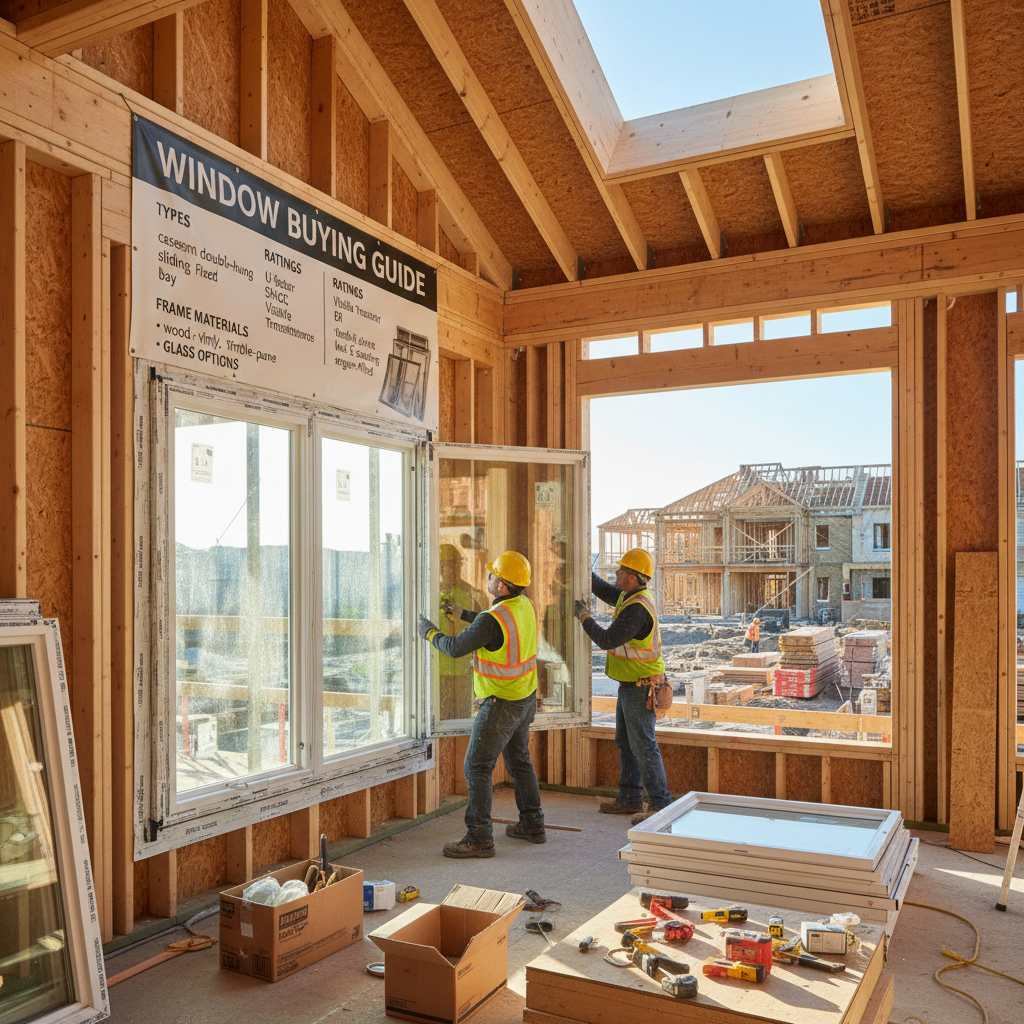
Window Buying Guide: Types, Energy Ratings, and Frame Materials (2026)
Windows are among the most complex building products to specify, with performance ratings, frame materials, glass options, and operating styles all affecting price and performance. The right windows improve comfort, reduce energy costs, and enhance your home's appearance for decades. This guide demystifies window specifications to help you make an informed purchase.
Key Takeaways
- Windows are among the most complex building products to specify, with performance ratings, frame materials, glass options, and operating styles all affecting price and performance.
- The right windows improve comfort, reduce energy costs, and enhance your home's appearance for decades.
- This guide demystifies window specifications to help you make an informed purchase.
- Frame material affects maintenance, insulation, and cost — vinyl is most affordable and low-maintenance, fiberglass offers superior strength and insulation, wood provides classic aesthetics, and aluminum/clad wood combines durability with interior warmth.
- Energy ratings matter most: U-factor measures insulation (lower is better, target below 0.30), SHGC measures solar heat gain (lower in hot climates, higher in cold).
Types Overview
Double-hung windows have two operable sashes that tilt in for easy cleaning — the most popular style for residential use. Casement windows crank outward for maximum ventilation and the tightest seal when closed. Sliding windows operate horizontally, ideal for wide openings and areas with limited exterior clearance. Awning windows hinge at the top and push out, allowing ventilation during light rain. Picture and fixed windows maximize views and light with no operating hardware. Bay and bow windows project outward from the wall to create interior space and architectural interest.
Selection Criteria
Frame material affects maintenance, insulation, and cost — vinyl is most affordable and low-maintenance, fiberglass offers superior strength and insulation, wood provides classic aesthetics, and aluminum/clad wood combines durability with interior warmth. Energy ratings matter most: U-factor measures insulation (lower is better, target below 0.30), SHGC measures solar heat gain (lower in hot climates, higher in cold). Double-pane with low-E is standard; triple-pane is recommended for Zones 5-7.
Installation Guide
New construction windows nail directly to framing through an integral flange, then get flashed and integrated with the WRB. Replacement windows (insert type) fit inside the existing frame when the frame is in good condition. Apply a continuous bead of sealant around the rough opening before setting the window. Shim at the sill, jambs, and head to achieve plumb, level, and square. Verify the window operates smoothly before fastening permanently. Flash the exterior with self-adhered membrane in a shingle pattern.
Code Requirements
ENERGY STAR and IECC set maximum U-factor and SHGC by climate zone. Zone 1-3: U-factor 0.30 or below, SHGC 0.25. Zone 4: U-factor 0.30, SHGC 0.40. Zone 5-7: U-factor 0.27, SHGC any. Egress windows in bedrooms must have minimum 5.7 sq ft opening, 24-inch minimum height, 20-inch minimum width, and maximum 44-inch sill height. Safety glazing is required within 24 inches of doors and 18 inches of the floor.
Cost Breakdown
Vinyl double-hung (standard): $200-$500 per window. Vinyl double-hung (premium): $400-$800. Fiberglass double-hung: $500-$1,000. Wood double-hung: $600-$1,500. Clad wood double-hung: $700-$1,800. Triple-pane upgrade: add $100-$300 per window. Casement windows: 10-20% more than same-size double-hung. Professional installation: $150-$400 per window. Full house window replacement (15-20 windows): $8,000-$25,000 installed.
DIY vs Professional
Replacement (insert) windows are a feasible DIY project for experienced homeowners — the existing frame remains in place. New construction window installation requires understanding of flashing and WRB integration, making it better suited to experienced builders. Improper flashing is the leading cause of window water leaks and wall damage. Most manufacturer warranties require professional installation.
Common Mistakes to Avoid
Choosing windows solely on price without comparing energy ratings costs more in long-term energy bills. Improper flashing causes 90% of window leak problems. Not shimming properly leads to binding sashes and failed seals. Applying expanding foam that bows the frame and causes operation problems. Specifying SHGC too low in cold climates reduces beneficial solar heat gain that offsets heating costs.
Frequently Asked Questions
Related Guides
Exterior Door Buying Guide
Compare exterior door materials: fiberglass, steel, and wood. Learn about energy ratings, security f
Read guideInterior Door Buying Guide
Compare interior door types: hollow core, solid core, MDF, and solid wood. Learn standard sizes, pre
Read guide