Wood Sealer Guide: Types, Application & How to Choose the Best Sealer
Wood Sealer Guide: Types, Application & How to Choose the Best Sealer
A quality wood sealer is the single most important product for protecting outdoor wood from moisture, UV damage, mold, and premature aging. Whether you're sealing a new deck, preserving a cedar fence, or protecting outdoor furniture, choosing and applying the right sealer makes the difference between wood that lasts decades and wood that deteriorates in just a few years. This guide covers everything you need to know about wood sealers.
What Does Wood Sealer Do?
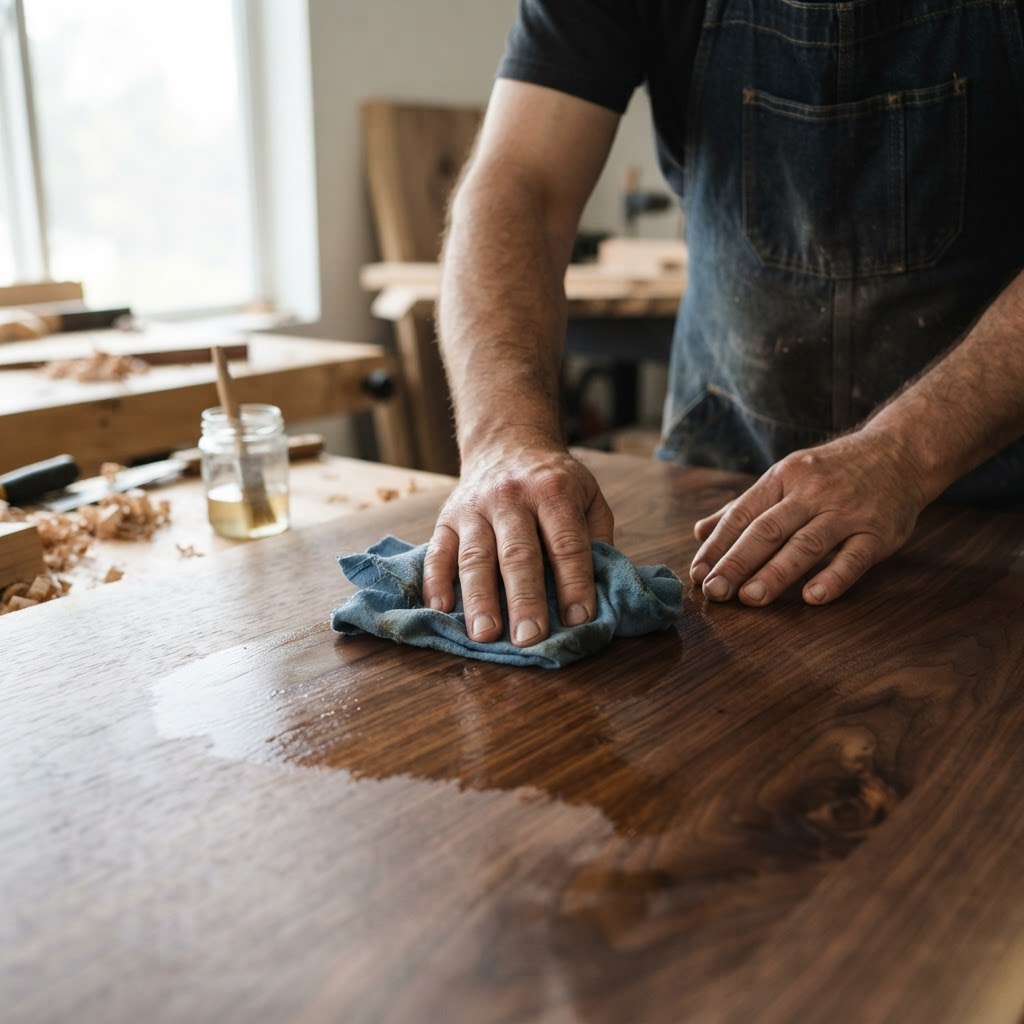
Wood sealer creates a protective barrier that prevents moisture from penetrating the wood's cellular structure. When wood absorbs water, it swells. When it dries, it shrinks. This constant expansion and contraction cycle causes cracking, warping, cupping, and splitting over time. Sealer breaks this cycle by repelling water before it can be absorbed.
Beyond moisture protection, modern wood sealers also block UV radiation that causes graying and color loss, inhibit mold, mildew, and algae growth, reduce the risk of rot and fungal decay, and preserve the wood's natural color and beauty.
Without sealer, most outdoor wood begins showing damage within 6-12 months. Even naturally durable species like cedar and redwood benefit significantly from sealer application.
Types of Wood Sealers
Penetrating Sealers
Penetrating sealers soak into the wood fibers and protect from within. They don't form a visible film on the surface, so the wood maintains its natural texture and feel. When the sealer wears, it fades gradually without peeling or flaking.
Penetrating sealers are the preferred choice for decks, fences, and horizontal surfaces because they don't create a slippery film that can peel or become hazardous when wet. They're also easier to reapply — you can simply clean the surface and apply a fresh coat without stripping the old finish.
Popular penetrating sealers include Thompson's WaterSeal (the classic consumer option), Ready Seal (a favorite among professionals for its no-back-brushing formula), TWP (Total Wood Preservative, a premium stain-sealer), and Penofin (a Brazilian rosewood oil-based penetrating finish).
Film-Forming Sealers
Film-forming sealers create a visible coating on the wood surface, similar to varnish or lacquer. They provide excellent moisture protection and UV resistance but can peel, crack, and flake as they age. When it's time to refinish, you typically need to strip the old coating before applying a new one.
Film-forming sealers are best for vertical surfaces like siding and trim where foot traffic and abrasion aren't concerns. Spar varnish (marine varnish) is the most durable film-forming sealer, designed for boats and extreme weather exposure. Polyurethane provides a hard, clear coat but doesn't hold up well in direct sunlight outdoors.
Water-Based Sealers
Water-based (also called waterborne or latex) sealers clean up with soap and water, have low odor, dry quickly (1-2 hours), and emit fewer VOCs (volatile organic compounds) than oil-based products. Modern water-based sealers offer excellent performance, though some purists still prefer oil-based products for deep penetration on dense hardwoods.
Water-based sealers are the best choice for DIYers because of easy cleanup and application. They work well on softwoods like pine, cedar, and redwood. They may raise the grain slightly on the first application, which can be sanded smooth.
Oil-Based Sealers
Oil-based sealers penetrate deeper into wood fibers and provide a richer, more natural appearance. They take longer to dry (24-48 hours), have stronger odor, and require mineral spirits for cleanup. Oil-based sealers excel on dense hardwoods like ipe, mahogany, and teak where water-based products may not penetrate well.
Linseed oil (boiled) and tung oil are traditional natural oil sealers that have been used for centuries. They provide modest protection and require frequent reapplication (every 6-12 months outdoors) but create a beautiful, natural finish. Modern oil-based sealers add synthetic resins and UV blockers for much better durability.
Wood Sealer vs. Wood Stain
Sealers and stains serve different but complementary purposes. Sealer primarily provides moisture protection — its job is to repel water. Stain primarily provides color — its job is to change or enhance the wood's appearance.
Many products combine both functions into a single product (stain-sealers or tinted sealers). These are the most popular choice for decks and fences because they protect and color in one application. Clear sealers preserve the wood's natural color without adding pigment. Tinted sealers add slight color while still showing the grain. Semi-transparent stain-sealers add moderate color while partially showing the grain. Solid stain-sealers (essentially thin paint) add opaque color that hides the grain completely.
For the longest-lasting finish, tinted or semi-transparent products outperform clear sealers because the pigment blocks additional UV radiation. Clear sealers typically need reapplication every 1-2 years, while semi-transparent products last 2-4 years.
How to Apply Wood Sealer
Step 1: Prepare the Surface
For new wood, let pressure-treated lumber dry for 2-4 weeks before sealing (sprinkle water on the surface — if it beads up, the wood isn't ready; if it soaks in, it's ready for sealer). New cedar and redwood can be sealed immediately.
For previously sealed or stained wood, clean the surface with a deck cleaner or wood brightener to remove dirt, mildew, and grayed wood fibers. A pressure washer set to 1,500-2,000 PSI works well for decks but can damage softwood if set too high. Allow the wood to dry completely (48-72 hours) before applying sealer.
Step 2: Choose Your Application Method
A pump sprayer is the fastest method for large surfaces like decks and fences. Spray the sealer and back-brush with a brush or roller to ensure even penetration. A brush provides the best penetration and control. Use a 4-inch brush for boards and a pad applicator or roller for large flat areas. A roller covers large areas quickly but may not push the sealer into wood grain as effectively as a brush. Use a 3/8-inch nap roller for smooth surfaces.
Step 3: Apply the Sealer
Work in manageable sections (2-3 boards at a time for decks). Apply sealer along the length of the boards, maintaining a wet edge to avoid lap marks. Apply enough product to saturate the wood without leaving puddles. Most penetrating sealers should soak in within 15-30 minutes. Wipe up any excess that hasn't absorbed after 30 minutes.
For the best results, apply sealer to all six sides of each board (top, bottom, sides, and ends). This is obviously only possible before installation. For existing structures, apply to all accessible surfaces.
Step 4: Allow Proper Dry Time
Water-based sealers are dry to the touch in 1-2 hours and ready for foot traffic in 24 hours. Oil-based sealers need 24-48 hours to dry and may take 72 hours for foot traffic. Don't apply sealer if rain is expected within 24-48 hours.
Most sealers recommend one coat. Two thin coats are better than one thick coat if additional protection is needed. Allow the first coat to dry completely before applying the second.
How to Choose the Right Sealer
For pressure-treated pine decks, a penetrating water-based sealer or semi-transparent stain-sealer offers the best balance of protection and ease of application. For cedar and redwood, a penetrating oil-based or water-based sealer that preserves the natural color is ideal. Tinted sealers extend the life of the finish by adding UV-blocking pigment.
For hardwood decks like ipe or cumaru, use an oil-based penetrating sealer designed for dense hardwoods. Water-based products often can't penetrate these extremely dense woods. For fences, a semi-transparent stain-sealer provides both color and protection with 3-5 year durability. For outdoor furniture, a marine-grade spar varnish (film-forming) or Danish oil (penetrating) provides the best protection for smaller pieces.
When to Reapply Sealer
Test your existing sealer by sprinkling water on the surface. If water beads up, the sealer is still working. If water soaks in and darkens the wood, it's time to reapply. Typical reapplication schedules are clear sealers every 1-2 years, semi-transparent stain-sealers every 2-4 years, solid stain-sealers every 3-5 years, and film-forming sealers every 2-3 years (with stripping before recoating).
Horizontal surfaces (deck floors) need more frequent reapplication than vertical surfaces (fence boards, railings) because they receive more UV exposure and foot traffic.
Common Sealing Mistakes
The biggest mistake is applying sealer to wet or damp wood — the sealer can't penetrate properly and may trap moisture inside the wood. Applying too much sealer creates a tacky, glossy surface that peels and collects dirt. Sealing in direct sunlight causes the sealer to dry too quickly before penetrating, leaving a surface film. Not cleaning the wood before reapplication prevents proper adhesion and penetration. Using interior polyurethane outdoors results in rapid failure from UV degradation.
Frequently Asked Questions
Q: What is the best wood sealer for decks?
A: For most homeowners, a penetrating semi-transparent stain-sealer offers the best combination of protection, color enhancement, and longevity. Ready Seal, TWP, and Cabot Australian Timber Oil are consistently top-rated by professionals.
Q: How soon after building should I seal my deck?
A: New pressure-treated wood should dry for 2-4 weeks before sealing. New cedar and redwood can be sealed immediately. Do the water droplet test — if water soaks in, the wood is ready.
Q: Can I seal a deck myself?
A: Yes. Deck sealing is a very DIY-friendly project. A pump sprayer and back-brush technique covers a typical deck in 2-4 hours. The most important steps are proper surface preparation and choosing the right product.
Q: Is Thompson's WaterSeal good?
A: Thompson's WaterSeal is a basic clear sealer that provides decent moisture protection but minimal UV protection. It's affordable and widely available. For better performance and longevity, consider semi-transparent stain-sealers from professional-grade brands.
Q: Do I need to strip old sealer before reapplying?
A: Penetrating sealers don't need stripping — simply clean and reapply. Film-forming sealers (varnish, polyurethane) usually require stripping before recoating. Semi-transparent stain-sealers can often be recoated without stripping if the old finish has worn evenly.
Finishing resources
Where readers of this article usually go next.
Related Articles

Caulking Guide: Types, Application & Maintenance
Seal gaps and prevent water damage with this comprehensive caulking and sealant guide.
Grout Guide: Types, Colors & Maintenance
Choose and maintain the right grout for your tile with this comprehensive grout guide.
Deck Staining Guide: Products, Techniques & Cost
Protect and beautify your deck with this comprehensive deck staining guide.