Wood Glue Guide: Types, Uses & How to Choose the Strongest Bond
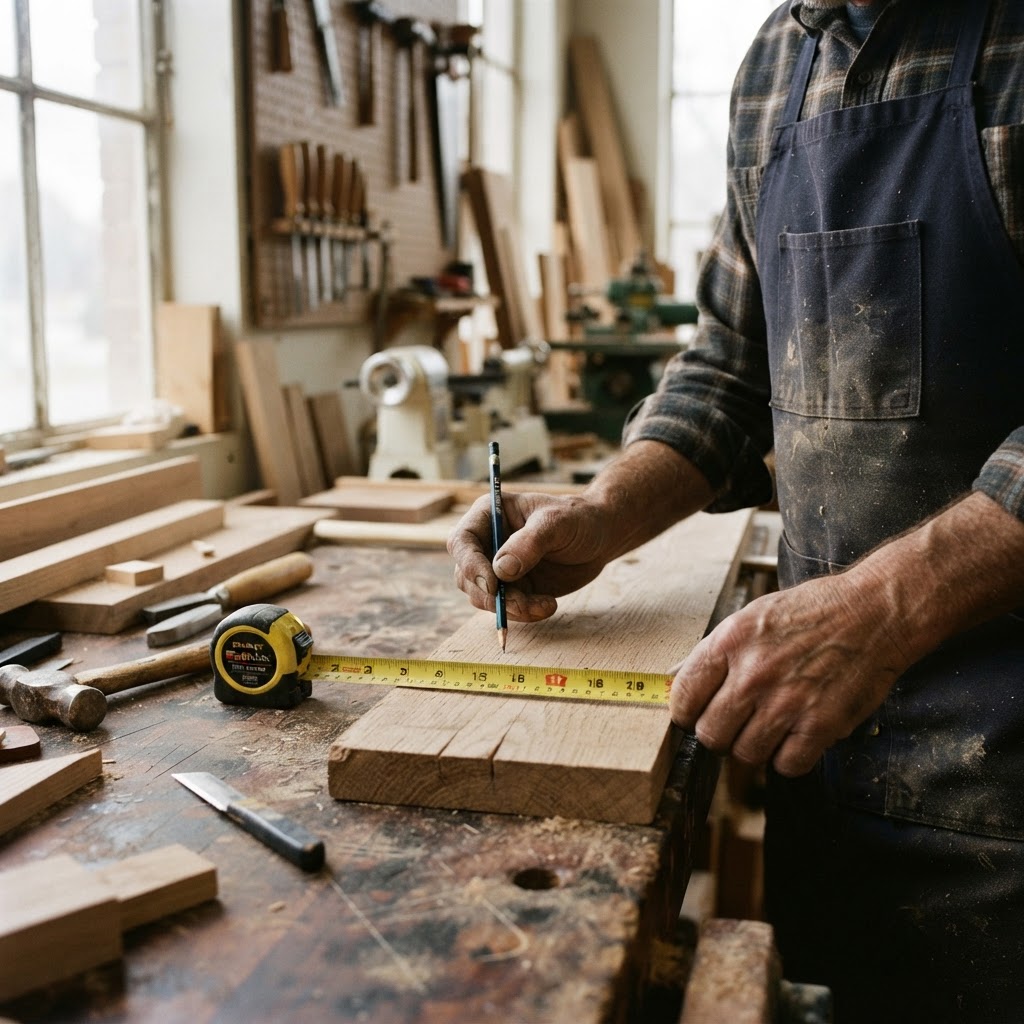
Wood Glue Guide: Types, Uses & How to Choose the Strongest Bond
Wood glue is the backbone of woodworking joints. A properly glued joint is often stronger than the wood itself — the wood will break before the glue line fails. But not all wood glues are the same. From the yellow PVA glue in every workshop to waterproof polyurethane and industrial epoxy, each type serves a specific purpose.
This guide covers the major types of wood glue, their strengths and weaknesses, and how to choose and use the right adhesive for any woodworking project.
Types of Wood Glue
PVA (Polyvinyl Acetate) Wood Glue
PVA glue is the standard "yellow glue" found in virtually every wood shop. Brands like Titebond Original, Titebond II, and Elmer's Wood Glue are all PVA-based. It's the go-to choice for general woodworking because it's strong, affordable, easy to use, and cleans up with water.
Subtypes:
- Type I (Interior): Standard yellow wood glue. Not water-resistant. Best for indoor furniture and projects.
- Type II (Water-Resistant): Titebond II is the classic example. Passes ANSI Type II water-resistance tests. Good for outdoor furniture that gets occasional moisture exposure but not constant immersion.
- Type III (Waterproof): Titebond III is the standard. Passes ANSI Type I waterproof tests. FDA-approved for indirect food contact. The best all-around wood glue for most woodworkers.
Bond Strength: 3,600-4,000 PSI
Open Time: 5-10 minutes (Type I/II), 8-10 minutes (Type III)
Clamp Time: 30-60 minutes
Full Cure: 24 hours
Best for: Furniture, cabinetry, general joinery, edge gluing
Polyurethane Glue
Polyurethane glue (Gorilla Glue is the best-known brand) is a moisture-curing adhesive that foams as it dries. It bonds wood to wood, plus wood to metal, stone, ceramic, and other dissimilar materials. It's 100% waterproof.
Bond Strength: 3,000-3,500 PSI
Open Time: 15-20 minutes
Clamp Time: 1-2 hours
Full Cure: 24 hours
Best for: Outdoor projects, mixed-material bonding, turning blanks, situations requiring waterproof joints
Important notes: Polyurethane glue expands 3-4x as it cures (foam squeeze-out must be trimmed after curing). It requires moisture to activate — dampen one surface before gluing. It does NOT accept stain well (dried foam appears yellow and is visible under finish).
Epoxy
Two-part epoxy (resin + hardener) creates an extremely strong, waterproof, gap-filling bond. Unlike PVA, epoxy doesn't require tight-fitting joints — it actually performs better with a slight gap because it cures by chemical reaction rather than by wood absorbing the adhesive.
Bond Strength: 3,500-5,000+ PSI (varies by formulation)
Open Time: 5 minutes to 60 minutes (depending on formulation)
Clamp Time: Varies (some set in 5 minutes, others need hours)
Full Cure: 24-72 hours
Best for: Gap-filling, structural repairs, mixed materials, boat building, loose joints
Hide Glue
Hide glue (made from animal collagen) is the traditional adhesive used for centuries in fine furniture and instrument making. It comes in two forms: liquid (Titebond Liquid Hide Glue) and hot hide glue (granules dissolved in water and heated).
Bond Strength: 2,500-3,500 PSI
Open Time: 5-10 minutes (liquid), 1-2 minutes (hot)
Best for: Fine furniture, instrument making, veneer work, antique repair, hammer veneering
Why some woodworkers prefer it: Hide glue is reversible with heat and moisture (important for antique repair), doesn't interfere with finish absorption, and allows "rub joints" without clamping.
CA Glue (Cyanoacrylate / Super Glue)
CA glue (super glue) bonds almost instantly and works on wood, but its brittle bond makes it unsuitable for structural joints. In woodworking, it's primarily used for small repairs, pen turning, and stabilizing cracks.
Bond Strength: 2,000-4,000 PSI (but brittle)
Set Time: 5-30 seconds
Best for: Small repairs, pen turning, crack filling (with activator), temporary positioning
Construction Adhesive
Heavy-duty construction adhesives (Liquid Nails, PL Premium) create strong bonds for structural applications. They're designed for framing, subfloor installation, and heavy construction where clamping isn't practical.
Best for: Subfloor installation, framing, structural applications, stair treads
How to Choose the Right Wood Glue
| Situation | Best Glue Choice |
|-----------|------------------|
| Indoor furniture joints | PVA Type III (Titebond III) |
| Outdoor furniture | PVA Type III or polyurethane |
| Cutting boards | Titebond III (FDA approved) |
| Loose/gap-filled joints | Epoxy |
| Antique furniture repair | Hide glue |
| Mixed materials (wood + metal) | Epoxy or polyurethane |
| Quick small repairs | CA glue |
| Subfloor and framing | Construction adhesive |
| Veneer work | PVA, hide glue, or contact cement |
How to Get the Strongest Glue Joint
Surface Preparation
Glue joints are strongest when the mating surfaces are freshly machined (planed, jointed, or sanded to 100-150 grit). Surfaces that are too smooth (above 220 grit) can actually weaken the bond because the glue can't mechanically grip the wood.
Proper Glue Application
Apply a thin, even coat of glue to both mating surfaces for the strongest joint. You should see a thin line of squeeze-out along the entire joint when clamped — this confirms full coverage. Too much squeeze-out means wasted glue; no squeeze-out means you didn't use enough.
Clamping Pressure
Even clamping pressure is critical. Apply enough pressure to bring the joint tight and produce light squeeze-out, but don't over-clamp — excessive pressure can starve the joint by squeezing out too much glue.
Temperature and Humidity
Most wood glues require temperatures above 50°F (10°C) for proper curing. Cold temperatures slow curing and weaken the bond. High humidity speeds drying for PVA but is necessary for polyurethane glue activation.
Grain Orientation
Long-grain to long-grain joints produce the strongest glue bonds. End-grain absorbs glue like a sponge, producing weak joints. For end-grain joints, apply a sizing coat (thin layer of glue), let it soak in, then apply a second coat before assembling.
Frequently Asked Questions
Q: What is the strongest wood glue?|A: For wood-to-wood joints, PVA glue (like Titebond III) creates the strongest bond — typically 3,600-4,000 PSI, which is actually stronger than most wood species. The wood will break before the glue line fails. For gap-filling applications, epoxy provides the strongest bond because it doesn't require tight-fitting joints.
Q: How long should you clamp wood glue?|A: For PVA wood glue, minimum clamp time is 30-60 minutes for a basic set. However, the joint won't reach full strength for 24 hours. For stress-bearing joints, leave clamps on for at least 1-2 hours and avoid stressing the joint for a full 24 hours.
Q: Can you stain over wood glue?|A: Dried PVA glue does not absorb stain and will show as light spots under stain finish. Always remove all glue squeeze-out thoroughly before staining. Wipe squeeze-out with a damp rag immediately, or let it fully harden and carefully chisel or scrape it off. Hide glue is the exception — it does not interfere with stain absorption.
Q: Is Gorilla Glue better than Titebond?|A: They serve different purposes. Titebond (PVA) creates stronger wood-to-wood bonds, cleans up easier, doesn't foam, and is less expensive. Gorilla Glue (polyurethane) excels at bonding dissimilar materials and is fully waterproof. For general woodworking, Titebond III is the better all-around choice.
Q: Does wood glue work on painted or finished wood?|A: No — wood glue bonds to wood fibers, not to paint or finish. For a strong bond, you must sand or scrape the finish off the mating surfaces down to bare wood before gluing. If you need to bond finished surfaces, use epoxy or polyurethane glue instead.
Explore related resources
Where readers of this article usually go next.
Related Articles
Plumbing Guide: Common Issues, Cost & When to Call a Plumber
Fix common plumbing problems and know when to call a pro.
Backyard Playground Guide: Types, Cost & Safety
Build the perfect play area for your kids with this guide.
Trampoline Guide: Types, Cost & Safety
Choose the right trampoline for your family with this comprehensive guide.