Wood Fence Styles Guide: Privacy, Picket, Split Rail & Modern Designs
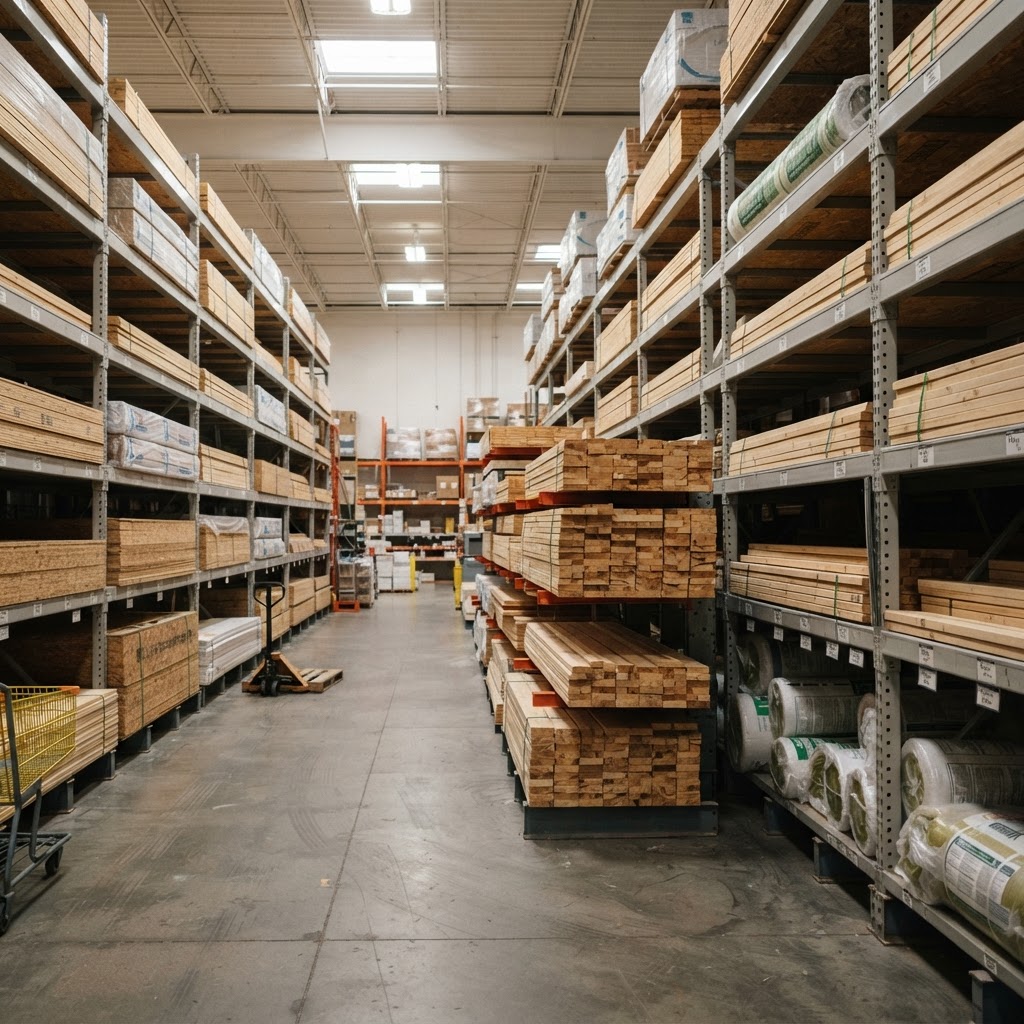
Wood Fence Style Overview
Choosing a fence style involves balancing privacy, aesthetics, cost, and local regulations. Wood fences remain the most popular residential fencing material in America — valued for their natural beauty, versatility, and the fact that they can be built in virtually any style, height, and configuration. A well-built wood fence lasts 15-25+ years depending on the species and maintenance. Here's every major wood fence style with the details you need to choose.
Privacy Fence (Solid Board)
The most popular residential fence style. Standard construction uses 6-foot-tall 1x6 or 5/8x6 dog-ear or flat-top fence boards nailed tightly together to 2x4 horizontal rails (three rails for 6-foot fences) between 4x4 posts set 6-8 feet apart. Cedar is the premium choice ($15-25 per linear foot installed), while pressure-treated pine is the budget option ($12-18 per linear foot). Privacy fences block views completely from one side but show the rail structure on the "neighbor's side." Check local codes — most jurisdictions limit fence height to 6 feet in rear yards and 3-4 feet in front yards.
Board-on-Board Fence
An upgraded privacy fence where boards overlap each other by 1-1/2 inches on alternating sides of the rails. This eliminates the gaps that appear as solid-board fences dry and shrink, maintaining complete privacy even after years of weathering. The overlapping pattern also looks attractive from both sides — no "bad side" facing the neighbors. Board-on-board uses approximately 30% more lumber than a standard privacy fence, adding $3-5 per linear foot to the cost. It's considered the best-looking privacy fence style and is worth the modest premium.
Shadowbox Fence (Good Neighbor)
Boards are attached to alternating sides of the rails with a 1-to-2-inch gap between each board. From a direct angle, the fence appears solid, but from an angle, light and air pass through the gaps. This "semi-privacy" design looks identical from both sides (hence "good neighbor"), provides wind reduction without creating a solid wall (important in high-wind areas), and costs 10-15% less than a solid privacy fence because fewer boards are needed. Shadowbox fences are ideal when you want some privacy without completely blocking views and airflow.
Picket Fence
The classic American fence style — 3-4 feet tall with pointed or shaped pickets spaced 2-3 inches apart. Picket fences are decorative and define property boundaries without blocking views. They're the standard front-yard fence where taller privacy fences aren't code-compliant. Traditional picket fences use 1x4 cedar or pine pickets with pointed, dog-ear, French Gothic, or alternating-height tops. Spacing of 2-1/2 inches between pickets is standard. Cedar picket fences cost $10-18 per linear foot installed; pressure-treated pine runs $8-14 per linear foot. White-painted picket fences are iconic but require repainting every 3-5 years.
Split Rail Fence
A rustic, open fence made from logs split into rails that fit into mortised posts. Standard configurations are 2-rail (36 inches tall) and 3-rail (48 inches tall). Split rail fences are the most affordable wood fence option ($5-10 per linear foot for materials) and are typically used for property boundaries, horse paddocks, and rural aesthetics. Western red cedar and locust are the traditional species — locust posts can last 50+ years without treatment. Split rail fences provide no privacy and minimal security but are charming and low-maintenance.
Horizontal Slat Fence
A modern, contemporary design using horizontal boards instead of vertical pickets. Typically 6 feet tall with 1x6 or 1x4 boards spaced 1/2-to-1 inch apart, mounted between or on the face of 4x4 or 6x6 metal or wood posts. Horizontal fences create clean, modern lines that complement contemporary architecture. The main structural challenge is that long horizontal spans tend to bow and warp over time — limit unsupported spans to 6 feet (use intermediate posts or a center stiffener) and use kiln-dried or well-seasoned lumber to minimize movement. Cedar and ipe are preferred species for horizontal fences because of their stability. Cost: $20-35 per linear foot installed.
Lattice-Top Fence
A privacy fence (typically 4-5 feet of solid boards) topped with 1-2 feet of diagonal lattice. The lattice adds height, visual interest, and supports climbing plants while maintaining airflow at the top. Square lattice (90-degree pattern) gives a more formal look, while diagonal lattice (45-degree) is the traditional style. Pre-made lattice panels (both wood and vinyl) are available at home centers for easy installation. Privacy lattice (with smaller openings) provides more screening than standard lattice.
Post and Rail Fence
Similar to split rail but with milled (smooth, dimensional) lumber instead of rustic split logs. Typically uses 4x4 posts with 2x4 or 2x6 rails attached with brackets or mortised joints. Common configurations are 2-rail, 3-rail, and 4-rail. More refined than split rail and suitable for suburban and equestrian properties. Often combined with welded wire mesh stapled to the inside for pet and livestock containment while maintaining the open aesthetic. Cost: $8-15 per linear foot installed.
Frequently Asked Questions
Lumberama Editorial Team
Fencing & Outdoor Experts
Contributor to Lumberama’s reference library. Read our editorial standards and source methodology.
Continue researching fencing
Where readers of this article usually go next.
Related Articles
Vinyl Fence Guide: Styles, Cost, Installation & Maintenance
Learn everything about vinyl fencing from styles to installation costs.

Dog Fence Guide: Types, Materials & Cost
Find the best fence to keep your dog safe with this comprehensive guide.

How Much Does It Cost to Fence an Acre? Wood Fencing Cost Breakdown
Calculating the cost to fence an acre requires careful measurement and material selection. Learn how to estimate your budget by breaking down lumber types and labor.