How Much Does It Cost to Fence an Acre? Wood Fencing Cost Breakdown
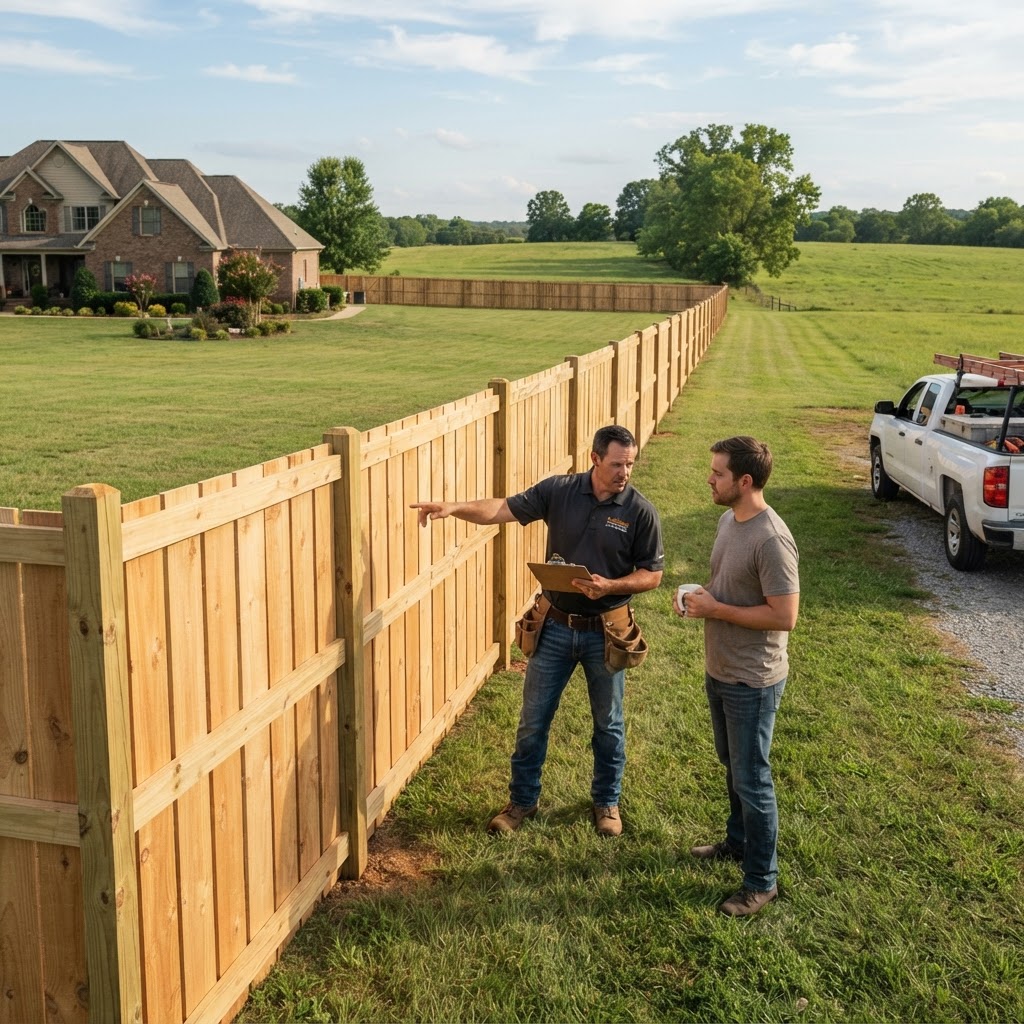
Calculating the Cost of Fencing an Acre: A Practical Guide
Fencing a full acre is a significant construction project that requires careful planning, physical endurance, and a clear understanding of geometry. Whether you are aiming for property privacy, livestock containment, or perimeter aesthetics, the cost depends on two main factors: the total perimeter length and your specific choice of lumber. Beyond the raw materials, you must consider the hidden costs of soil conditions, hardware quality, and the sheer volume of labor required to enclose an area of this size.
The Geometry of an Acre
- Before browsing materials, you must determine your exact linear footage. An acre is 43,560 square feet. If your property is a perfect, symmetrical square, each side is approximately 208.7 feet. This results in a perimeter of roughly 835 linear feet. However, few properties are perfect squares. An irregular lot with a long, narrow configuration could easily require 1,200 linear feet of fencing, while a wide, rectangular lot might require closer to
- 9
- 0
- To get an accurate count, walk your property lines with a rolling measuring wheel. Mark potential gate locations, corners, and areas where the terrain drops off significantly, as these will require specialized post placement or extra materials. Remember to factor in a 5-10% buffer for waste, as mistakes in cutting or warped boards are inevitable on a project of this scale.
Material Cost Estimates per Linear Foot
The material you select is the largest driver of your total project cost. Prices fluctuate based on regional availability, local competition, and current market trends.
| Material Type | Estimated Cost Per Linear Foot (Materials Only) |
| :--- | :--- |
| Pressure-Treated Pine | $15 – $25 |
| Cedar | $25 – $40 |
| Redwood | $35 – $55 |
Pressure-Treated Pine
Pressure-treated pine is the workhorse of the lumber industry. It is chemically treated to resist rot and insect damage. It is generally the most affordable option, though it requires regular maintenance (staining or sealing) to prevent warping and graying over time. Because it holds moisture, it can shrink or swell more dramatically than other woods, so expect to perform minor repairs after the first season of exposure.
Cedar
Cedar is naturally resistant to decay and insects without the heavy chemical infusion of pine. It offers a premium look and a pleasant, earthy scent. It is structurally stable, resists warping better than pine, and carries a higher price point. If you live in an area with high humidity, cedar is a popular upgrade that lasts longer with less intensive chemical upkeep.
Redwood
Redwood is prized for its beauty and longevity. It is exceptionally resistant to elements, making it an ideal choice for high-moisture environments. However, due to its slow growth and scarcity, it remains the most expensive choice for a full-acre perimeter. It is often reserved for front-facing portions of a property where curb appeal is a high priority.
Breakdown of Fencing Components
A fence is more than just pickets. When calculating your budget, you must account for all necessary components:
- Posts: You generally need one post for every 8 feet of fencing. For an acre, this could mean over 100 posts. Ensure you use 4x4 or 6x6 pressure-treated posts even if you are using cedar pickets, as they are buried in the ground. For gate corners, use larger 6x6 posts to handle the tension.
- Rails: You will typically need 2 to 3 rails (2x4 lumber) per section. These provide the structural frame that pickets are attached to. Ensure these rails are pressure-treated, as they support the weight of the fence against wind load.
- Pickets/Boards: This is the visible face of the fence. Calculate based on the width of the picket plus the desired gap. Overlapping designs, like shadowbox or tongue-and-groove, will require significantly more material—sometimes up to 40% more than a standard picket fence.
- Hardware: Never overlook the cost of screws, nails, hinges, and gate latches. High-quality, hot-dipped galvanized or stainless steel hardware is essential; standard zinc-plated nails will corrode and cause ugly streaks on the wood within a year.
- Gates: Gates are often billed by the unit rather than linear foot. A basic 3-foot pedestrian gate will cost significantly less than a 12-foot wide drive-through gate, which requires heavy-duty hinges and anti-sag bracing.
Common Mistakes to Avoid
Many DIYers underestimate the logistical challenge of an acre-long project. First, avoid "skimping on concrete." Each post should be set in at least 24 to 30 inches of concrete to prevent frost heave. Second, do not ignore local setback requirements. Many cities require fences to be placed a specific distance from the property line. Third, avoid buying "wet" or freshly treated lumber if possible. If you buy boards that are still heavy and saturated with treatment chemicals, they will shrink as they dry, causing massive gaps in your fence within months. Let your lumber "season" or acclimate to your local environment for a few days before installation.
Climate and Regional Considerations
The climate of your region dictates the structural integrity of your fence. In areas with high wind, you must ensure your posts are buried deep enough and that your pickets are attached with screws rather than nails to prevent "popping" during storms. If you reside in a region with heavy freeze-thaw cycles, your concrete footings must extend below the frost line to prevent the fence from being pushed upward and out of alignment every winter. In high-UV, arid climates, cedar and redwood may dry out and crack quickly; applying a high-quality, oil-based UV-resistant sealer immediately after installation is not optional—it is a necessity for longevity.
Labor vs. DIY
DIY fencing can save you 30% to 50% of your total budget, but it is grueling work. Installing a fence requires post-hole digging (which will likely necessitate a rented hydraulic auger), precise leveling, and mixing yards of concrete. If you lack the tools, the physical capacity, or the time, professional installation is an investment in speed and code compliance. Pros also provide labor warranties, which can be valuable if your ground shifts or posts move. We recommend requesting quotes from at least three contractors to compare their experience with local soil types and their proposed hardware choices.
Strategies to Reduce Project Costs
Fencing an entire acre is expensive, but there are ways to manage costs without sacrificing quality:
1. Simplify the Design: Decorative caps, lattice toppers, and complex post designs increase material and labor costs exponentially. A simple dog-ear or flat-top fence is the most cost-effective, durable, and easiest to repair.
2. Combine Materials: Use premium material for the street-facing side of the property and more affordable pressure-treated pine for the rear or side perimeters. This keeps the curb appeal high while controlling the total budget.
3. Buy in Bulk: When sourcing materials, buying your entire supply at once can often lead to volume discounts. Check with local sawmills; they may offer better rates than big-box retail stores.
4. Off-Season Planning: Construction demand often spikes in spring and summer. If you can wait, ordering materials during the winter months often secures better pricing and quicker delivery times from suppliers.
Always check local zoning ordinances and call utility locators before breaking ground. Striking a water or fiber-optic line is a major expense that can dwarf the cost of the fence itself.
Frequently Asked Questions
Lumberama Editorial Team
Outdoor Structure & Construction Experts
Contributor to Lumberama’s reference library. Read our editorial standards and source methodology.
Continue researching fencing
Where readers of this article usually go next.
Related Articles
Vinyl Fence Guide: Styles, Cost, Installation & Maintenance
Learn everything about vinyl fencing from styles to installation costs.

Dog Fence Guide: Types, Materials & Cost
Find the best fence to keep your dog safe with this comprehensive guide.
Fence Installation Guide: Materials, Types & Cost
Build or hire a fence installation with this comprehensive guide.