Vinyl Fencing vs Wood Fencing: Honest Comparison of Cost, Durability, and Appearance
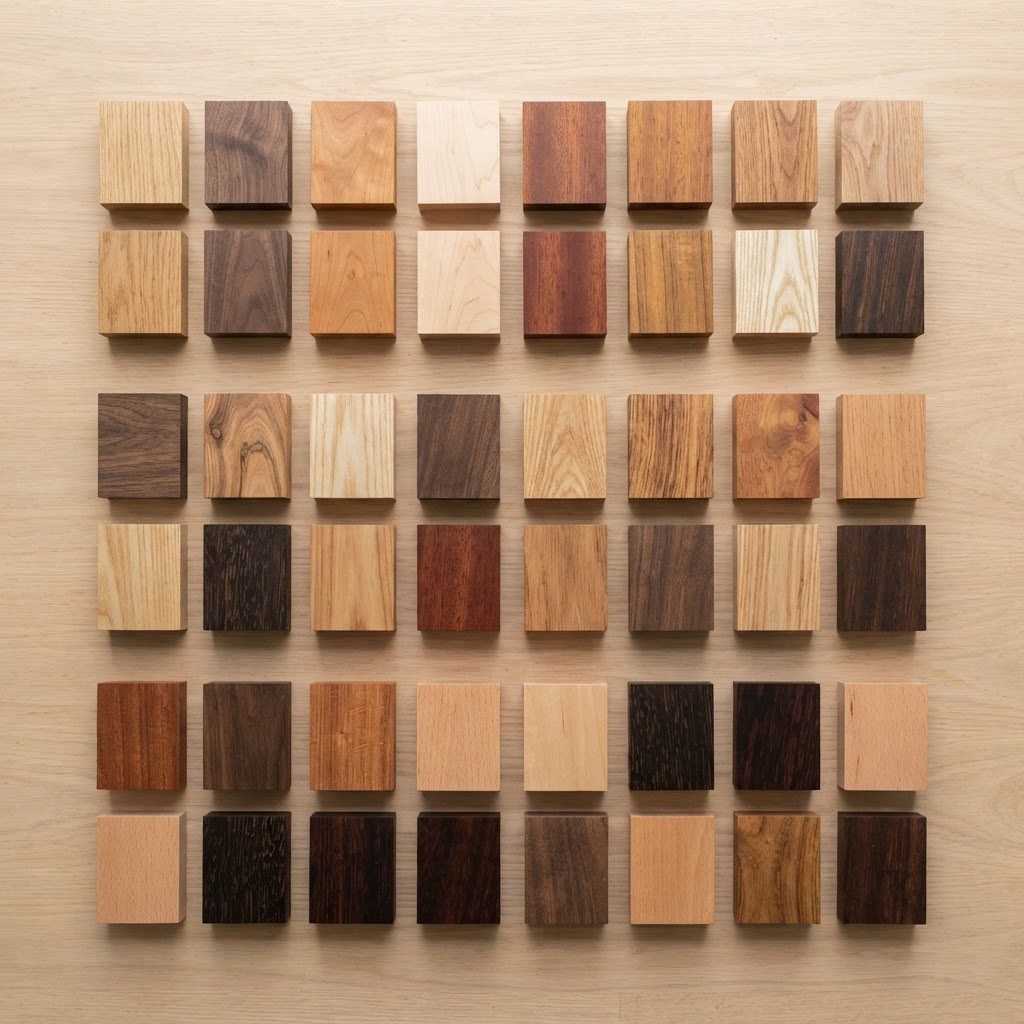
Vinyl Fencing vs Wood Fencing: Honest Comparison
The vinyl fence industry sells on one message: maintenance-free. The wood fence industry emphasizes cost and beauty. Both are oversimplifying. Here's the unvarnished comparison.
Upfront Cost (100 Linear Feet, 6-Foot Privacy)
Vinyl Privacy Fence
- Pre-assembled panels: $30–60 per 8-foot panel
- Posts: $20–40 each (included in some systems)
- Post installation hardware and concrete: $15 per post
- For 100 LF: 13 panels + 14 posts = $650–1,100 materials
Note: Installation is faster than wood (panels snap in), but post setting is the same. Professional installation adds $15–25/LF = $1,500–2,500 for 100 LF.
Total materials, 100 LF vinyl: $1,500–2,800 (premium vinyl)
Wood Privacy Fence
- Posts (14): $280
- Rails (42): $185
- Pickets (330): $825–1,155 (pine)
- Hardware, concrete: $172
Total materials, 100 LF wood (pine): $1,462–1,792
Initial cost comparison: Comparable, with premium vinyl slightly more expensive than pine wood and comparable to cedar wood.
Appearance
Vinyl Appearance
Uniformity: All panels are identical. This creates a very clean, consistent look that some buyers prefer.
Design limitations: Vinyl comes in white, tan/beige, gray, and a few other colors. You cannot change the color without painting (which defeats the purpose and doesn't adhere well to vinyl anyway). If you want a specific color or want to change colors later, vinyl provides no flexibility.
Texture: Modern vinyl has wood-grain texture embossed into the surface. At a distance it's convincing; close-up it looks like plastic. Many buyers find this acceptable; some find it a deal-breaker.
Aging appearance: Vinyl becomes brittle and slightly chalky over time. White vinyl may yellow (especially lower quality formulations) in UV-heavy climates. Algae and mold grow on vinyl in shaded areas, creating green or black discoloration.
Wood Appearance
Character: Real wood grain, natural variation, the ability to stain any color or leave natural.
Flexibility: Paint it, stain it, change colors in five years if you want. Apply a weathered gray stain, a deep cedar brown, or crisp white — any aesthetic is possible.
Natural weathering: Untreated wood weathers to a natural gray that many find attractive. Treated and stained wood can look like furniture-quality material.
Design freedom: Wood fence designs range from basic dog-ear privacy to elaborate lattice-top, French Gothic, board-on-board, and custom patterns. Vinyl offers the patterns the manufacturer produces, period.
Appearance verdict: Wood wins on aesthetic flexibility and close-up quality. Vinyl wins on uniformity if uniformity is your goal.
Maintenance Reality
Vinyl Maintenance (Not Actually Zero)
- Annual or biannual cleaning with soap and water or vinyl fence cleaner: 1–2 hours per 100 LF
- Algae and mold in shaded areas: scrubbing with diluted bleach solution, 30 min to 1 hour
- UV chalking: occasional scrubbing
Vinyl is lower maintenance than wood — but it's not no maintenance.
Wood Maintenance
- Annual cleaning: 1–2 hours
- Sealing/staining: Every 2–3 years, 3–4 hours + materials ($80–$150)
- Occasional board replacement: 30 minutes per board
The honest difference: wood needs 3–4 hours of sealing every 2–3 years. Vinyl doesn't. Over 20 years, that's 7–8 sealing sessions vs. none.
For people who genuinely won't maintain a wood fence, vinyl is the practical choice. An unmaintained wood fence deteriorates rapidly. Vinyl simply gets dirty but doesn't structurally fail.
Durability and Failure Modes
Vinyl Failure Modes
- Impact damage: Vinyl cracks and shatters when impacted (thrown ball, car bumper, falling branch). In very cold weather, vinyl becomes more brittle.
- Wind failure: High winds flex vinyl fence panels. If rails or posts are inadequately set, whole sections can fail.
- Post rot: Even in vinyl systems, the posts are set in concrete. Vinyl post covers hide the structural post; the hidden post can corrode or, if wood, rot.
Wood Failure Modes
- Rot at grade: Post base rot is the primary failure mode. Properly treated posts (UC4B) last 30–40 years; inadequate posts fail in 10–15.
- Picket splitting and weathering: Accelerated by inadequate sealing.
- Rail failure: Rails sag and fail, usually before pickets.
Overall durability: A well-installed vinyl fence lasts 20–30 years before significant UV degradation, brittleness, and discoloration become issues. A well-maintained wood fence with proper PT posts lasts 20–25 years with periodic board replacement.
Repairability
Wood wins significantly here.
Wood repair: Replace individual pickets ($3–6 each), replace a rail ($5–10), replace a post ($25–40). Each repair is independent, inexpensive, and matches if you use the same wood species.
Vinyl repair: Vinyl panels are manufactured products. If a section is damaged, you replace the panel. If that panel profile has been discontinued, finding a match is difficult or impossible. A damaged vinyl fence often means replacing entire sections to maintain appearance.
Environmental Comparison
Wood advantage: Wood is a renewable, carbon-storing material. A wood fence sequesters carbon for its useful life. At end of life, it decomposes biologically.
Vinyl concerns: PVC (polyvinyl chloride) production is energy-intensive and involves chlorine chemistry with environmental concerns. Vinyl fence is essentially non-recyclable at end of life — it goes to landfill where it persists indefinitely. Softeners (plasticizers) added to vinyl can be environmental concerns.
The Decision
Choose vinyl if:
- You genuinely won't paint, seal, or stain regularly
- Uniformity and low-maintenance outweigh appearance flexibility
- You're in a climate with severe weather but no extreme cold (vinyl is most durable in moderate climates)
Choose wood if:
- Design flexibility and aesthetic quality matter to you
- You want repairability (critical if cars, animals, or weather regularly damage sections)
- Environmental concerns about PVC production and disposal factor into your decisions
- You're willing to do 3–4 hours of maintenance every 2–3 years
Frequently Asked Questions
Tom Rodriguez
General Contractor
Contributor to Lumberama’s reference library. Read our editorial standards and source methodology.
Continue researching fencing
Where readers of this article usually go next.
Related Articles

Countertop Guide: Granite vs Quartz vs Marble and More
Choose the right kitchen or bathroom countertop with this comprehensive comparison.

Pool Guide: Above Ground vs In-Ground Cost and Types
Learn about costs, types, and which pool is right for your home.

Retaining Wall Guide: Types, Cost & DIY vs Professional
Build a retaining wall that lasts with this comprehensive guide covering all types and costs.