Privacy Fence Guide: Types, Materials, Cost & Installation Tips
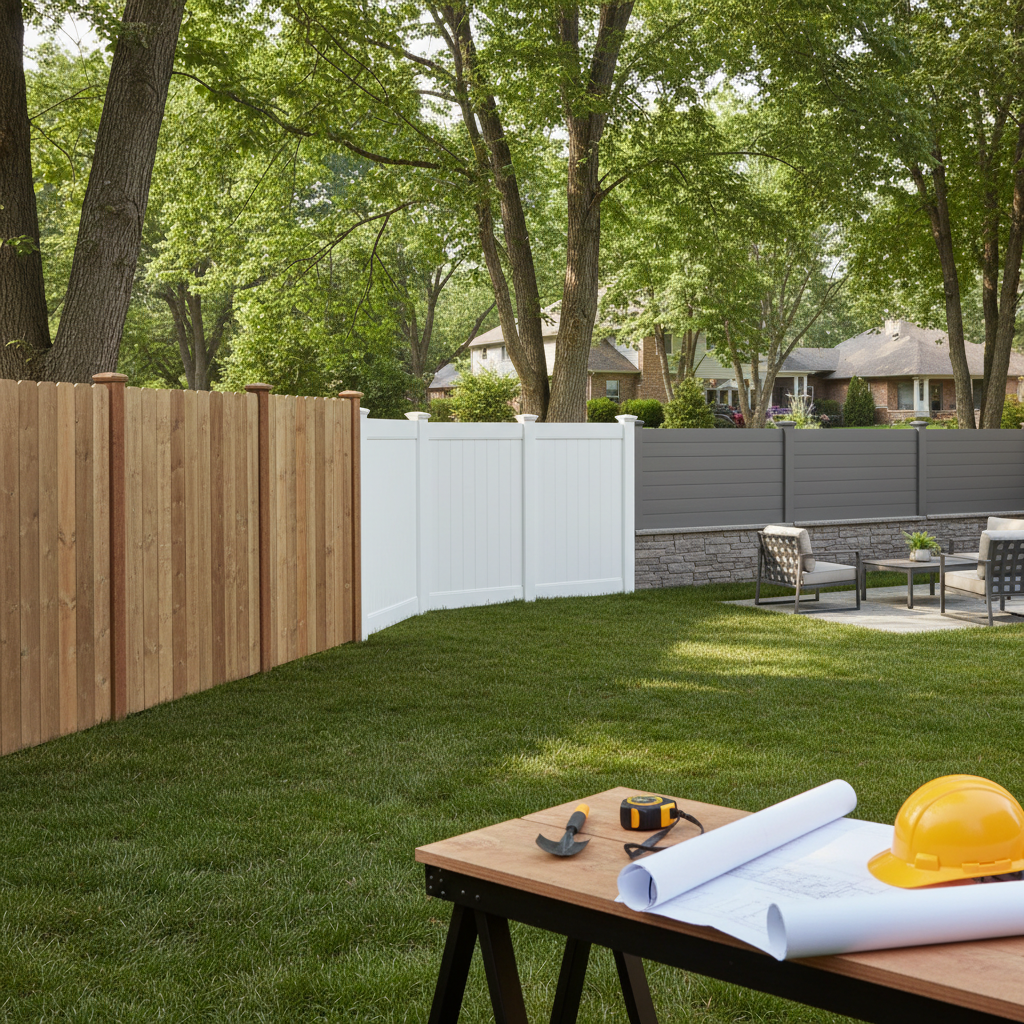
Privacy Fence Guide: Types, Materials, Cost & Installation Tips
A privacy fence does more than mark your property line — it creates a secluded outdoor living space, blocks noise, adds security, and can significantly increase your home's value. Whether you're looking to screen a pool area, create a peaceful backyard retreat, or keep pets safely contained, the right privacy fence makes all the difference.
This guide covers the most popular privacy fence types, materials, costs, building codes, and installation tips to help you choose the perfect fence for your property.
What Makes a Fence a "Privacy" Fence?
A privacy fence is any fence tall enough and solid enough to block the view from outside your property. Most privacy fences are 6 to 8 feet tall with no gaps between boards or panels. The key features that distinguish a privacy fence from other fence types are full height (typically 6-8 feet), solid construction with no gaps between boards, and close spacing that prevents visibility through the fence.
Privacy Fence Materials Compared
Wood Privacy Fence
Wood is the most popular privacy fence material, offering natural beauty, easy customization, and competitive pricing. The most common wood species for privacy fences include:
- Western Red Cedar: Naturally rot-resistant, beautiful grain, weathers to silver-gray. Lasts 15-20 years without treatment. The premium choice for wood fences.
- Pressure-Treated Pine: The most affordable option. Chemical treatment resists rot and insects. Lasts 15-20 years. Can be stained or painted after it dries (wait 3-6 months).
- Redwood: Exceptional beauty and natural decay resistance. Premium pricing but can last 20-25 years. Best in dry climates.
- White Oak: Extremely durable hardwood with natural rot resistance. More expensive but outlasts most softwoods.
- Cypress: Naturally resistant to decay and insects. Popular in the southeastern United States.
Pros: Natural appearance, easy to repair individual boards, accepts stain/paint, widely available, easy to customize height and style
Cons: Requires periodic maintenance (staining/sealing every 2-3 years), can warp or crack, susceptible to insect damage if untreated
Vinyl Privacy Fence
Vinyl (PVC) fences offer a maintenance-free alternative to wood. They won't rot, warp, or need painting. Modern vinyl fences come in wood-grain textures that closely mimic real wood.
Pros: Zero maintenance, won't rot or rust, long lifespan (20-30+ years), many style options, easy to clean
Cons: Higher upfront cost, can crack in extreme cold, limited color options, not as strong as wood in high winds, difficult to repair
Composite Privacy Fence
Composite fencing blends wood fibers with recycled plastic for a material that looks like wood but requires minimal maintenance. Brands like Trex and Fiberon offer premium composite fence systems.
Pros: Wood-like appearance, low maintenance, eco-friendly (recycled materials), won't rot or splinter
Cons: Expensive, limited styles, can fade over time, heavier than wood
Metal Privacy Fence
While most metal fences (wrought iron, aluminum, chain link) aren't inherently private, they can be converted with privacy slats, mesh screens, or climbing plants. Corrugated metal panels are an emerging trend for modern privacy fencing.
Pros: Extremely durable, fire-resistant, modern aesthetic options
Cons: Doesn't provide privacy alone (needs additions), can rust (steel), more expensive, professional installation usually required
Popular Privacy Fence Styles
Board-on-Board
Overlapping boards on alternating sides of the rails create a fence with no gaps visible from either side. Both sides look equally attractive, making it a great choice for shared property lines.
Solid Board (Stockade)
The classic privacy fence — vertical boards placed tightly side-by-side on one side of the rails. Simple, effective, and the most affordable privacy fence style.
Shadowbox
Boards alternate on each side of the rails with slight gaps, creating a semi-private fence that allows air flow while limiting visibility. Looks attractive from both sides.
Tongue and Groove
Boards interlock via a tongue-and-groove joint, creating a solid wall with no gaps. The tightest privacy option and excellent for wind and noise blocking.
Horizontal Slat
A modern, contemporary look with horizontal boards. Very popular for modern home designs. Can use varying board widths for visual interest.
Lattice Top
A solid privacy fence with a decorative lattice panel along the top 12-18 inches. Adds elegance while allowing light and air through the upper portion.
Privacy Fence Cost Breakdown
Privacy fence costs vary widely based on material, height, and region. Here are average costs per linear foot (materials + installation):
| Material | Cost Per Linear Foot | 100 ft Fence Cost | 200 ft Fence Cost |
|----------|---------------------|--------------------|-----------------|
| Pressure-Treated Pine | $15-$30 | $1,500-$3,000 | $3,000-$6,000 |
| Cedar | $20-$40 | $2,000-$4,000 | $4,000-$8,000 |
| Redwood | $25-$50 | $2,500-$5,000 | $5,000-$10,000 |
| Vinyl | $25-$45 | $2,500-$4,500 | $5,000-$9,000 |
| Composite | $30-$55 | $3,000-$5,500 | $6,000-$11,000 |
Additional cost factors include gates ($150-$600 each), removal of old fencing ($3-$5 per linear foot), terrain grading, permit fees ($20-$400), and corner/end posts.
Building Codes & Regulations
Before building a privacy fence, you need to understand local regulations:
- Height limits: Most residential areas allow 6-foot fences in backyards and 4-foot fences in front yards. Some areas permit 8-foot privacy fences with a permit.
- Setback requirements: Many codes require fences to be set back 2-6 inches from the property line.
- HOA rules: Homeowners associations often dictate fence materials, colors, heights, and styles.
- Utility easements: You may not be able to build on utility easement areas. Call 811 before digging.
- Permits: Most areas require a building permit for fences over 6 feet. Some require permits for any fence.
Always check with your local building department and HOA before starting construction.
DIY vs. Professional Installation
DIY Installation
Building a wood privacy fence is a manageable DIY project for handy homeowners. You'll save 40-60% on labor costs. Expect the project to take 2-4 weekends for a standard backyard fence.
You'll need: Post hole digger or auger, level, string line, circular saw, drill/driver, concrete mix, fence posts, rails, and pickets.
Professional Installation
Hire a pro if your terrain is sloped or rocky, you're installing vinyl or composite, you need permits pulled, or you want the job done quickly. Professional crews can typically install 100-200 linear feet per day.
Maintenance Tips by Material
Wood fences: Inspect annually for loose boards, rot, and insect damage. Clean with a pressure washer (low setting) and apply stain or sealant every 2-3 years. Replace damaged boards promptly to prevent spreading decay.
Vinyl fences: Wash with soap and water or a pressure washer annually. Check for cracks after extreme cold. No painting or staining needed.
Composite fences: Clean with soap and water. Check manufacturer guidelines for specific maintenance. Most composite fences require virtually no maintenance.
Frequently Asked Questions
Q: How tall should a privacy fence be?|A: The standard height for a privacy fence is 6 feet, which blocks most sight lines from ground level. For maximum privacy, especially from two-story neighbors or elevated areas, consider an 8-foot fence where local codes allow.
Q: What is the cheapest privacy fence material?|A: Pressure-treated pine is the most affordable privacy fence material at $15-$30 per linear foot installed. For a 200-foot perimeter fence, expect to pay $3,000-$6,000 total. Despite the lower cost, treated pine fences last 15-20 years with proper maintenance.
Q: How long does a wood privacy fence last?|A: A well-maintained wood privacy fence lasts 15-20 years for pressure-treated pine and cedar, and 20-25 years for redwood. Regular staining or sealing every 2-3 years and prompt replacement of damaged boards extends the fence's lifespan significantly.
Q: Do I need a permit to build a privacy fence?|A: In most areas, yes — especially for fences over 6 feet tall. Permit requirements vary by city and county. Contact your local building department before starting. Failure to get required permits can result in fines and mandatory removal.
Q: Which side of the fence faces the neighbor?|A: The "good side" (the side without visible rails and posts) traditionally faces the neighbor. Some local ordinances require this. Board-on-board and shadowbox styles look the same from both sides, avoiding this issue entirely.
Continue researching fencing
Where readers of this article usually go next.
Related Articles
Vinyl Fence Guide: Styles, Cost, Installation & Maintenance
Learn everything about vinyl fencing from styles to installation costs.

Dog Fence Guide: Types, Materials & Cost
Find the best fence to keep your dog safe with this comprehensive guide.

How Much Does It Cost to Fence an Acre? Wood Fencing Cost Breakdown
Calculating the cost to fence an acre requires careful measurement and material selection. Learn how to estimate your budget by breaking down lumber types and labor.