Pine Wood Types: White Pine vs Yellow Pine vs Sugar Pine Compared
The Two Main Groups
Pine species split into two groups that perform very differently:
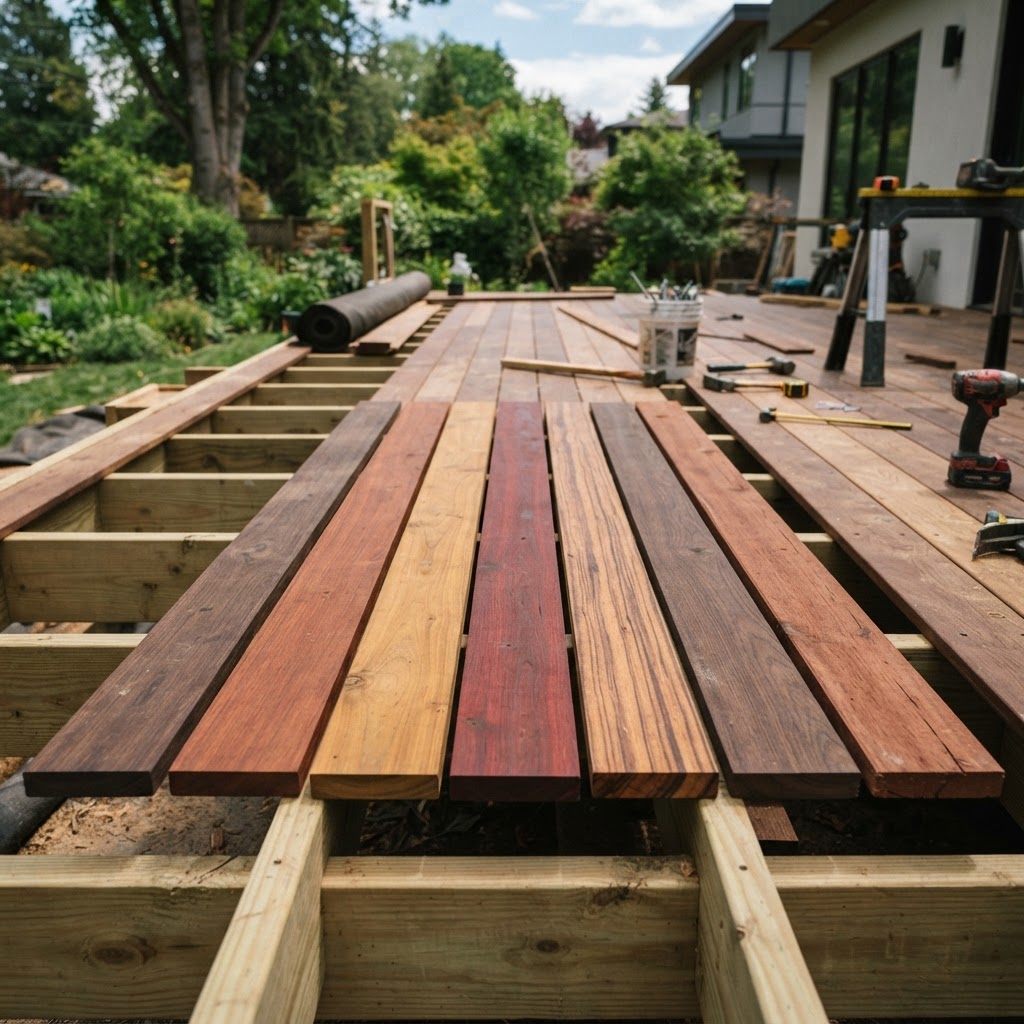
Hard pines (yellow pines): Dense, strong, resinous. Used for construction framing, decking, and heavy structural work. Southern yellow pine (SYP) is the king of this group. Hard pines are the lumber industry's workhorses.
Soft pines (white pines): Lighter, softer, less resinous. Used for furniture, trim, paneling, and carving. Eastern white pine is the most popular. Soft pines are the woodworker's and finish carpenter's preference.
Southern Yellow Pine (SYP)
Species: A marketing group of four species (loblolly, shortleaf, slash, and longleaf) sold interchangeably as SYP.
Janka hardness: 690-870 lbf (varies by species). The hardest pines — longleaf SYP (870) rivals some hardwoods.
Key properties: Strong, stiff, dense, heavy for a softwood. Takes pressure treatment well (the open grain absorbs preservatives). The standard construction lumber in the southern and eastern U.S.
Best uses: Structural framing (2x4s, 2x6s, joists, rafters), decking (pressure treated), outdoor structures, workbenches, stair treads. The backbone of American construction.
Limitations: Hard to work with hand tools (resinous, dense). Prone to checking and splitting as it dries. Not as attractive as white pines for finish work.
Price: $3-$6/BF for dimensional lumber. The cheapest structural lumber available.
Eastern White Pine
Species: Pinus strobus. The classic "white pine" of New England.
Janka hardness: 380 lbf. Very soft.
Key properties: Light, soft, easy to carve and shape. Fine, even texture. Minimal resin. The traditional choice for painted interior woodwork, furniture, and paneling. Accepts paint beautifully.
Best uses: Interior trim and molding, painted furniture, paneling, cabinet parts, patterns and models, carving. The historic colonial architecture wood.
Limitations: Soft (dents easily). No rot resistance. Must be painted or finished for durability. Not strong enough for structural applications.
Price: $3-$6/BF. Clear pine (knot-free) commands a premium: $5-$10/BF.
Sugar Pine
Species: Pinus lambertiana. The world's tallest pine (up to 200+ feet).
Janka hardness: 380 lbf. Same as white pine.
Key properties: Extremely light, soft, and even-textured. The premier pattern-making wood. Very easy to carve. Minimal resin. Limited commercial availability (primarily West Coast).
Best uses: Pattern making, models, carving, organ pipes, millwork. A specialty wood, not a general-purpose pine.
Price: $5-$9/BF. Premium over other pines due to limited supply.
Ponderosa Pine
Species: Pinus ponderosa. The most widespread pine in western North America.
Janka hardness: 460 lbf. Moderate for a softwood.
Key properties: Medium density between white and yellow pines. Knotty ponderosa has beautiful, tight knots popular for rustic paneling and cabinets. Clear ponderosa machines well for trim and molding.
Best uses: Knotty paneling ("knotty pine" walls and ceilings), interior trim, doors and windows, light furniture, millwork.
Price: $3-$7/BF. Knotty is cheaper; clear is more expensive.
Other Pines
- Lodgepole pine: Janka
- 4
- 8
- Used for log cabins, poles, light construction. Common in the Mountain West.
- Jack pine: Janka
- 5
- 7
- Northern construction species. Used for pulp, framing, and general utility.
- Red pine (Norway pine): Janka
- 5
- 6
- Utility lumber and poles in the upper Midwest. Not widely available as retail lumber.
Which Pine for Your Project?
Building a house/deck/structure: SYP (or Douglas fir in the West). Pressure treated SYP for outdoor/ground contact.
Interior trim, molding, baseboards (painted): Eastern white pine or poplar (technically a hardwood but often compared).
Rustic paneling/accent walls: Knotty ponderosa pine or knotty white pine.
Furniture (painted): Eastern white pine (soft) or SYP (harder, more durable).
Furniture (stained/natural): Knotty pine for rustic style. For fine furniture, consider stepping up to a hardwood.
Frequently Asked Questions
Lumberama Editorial Team
Softwood Species & Construction Lumber Specialists
Contributor to Lumberama’s reference library. Read our editorial standards and source methodology.
Explore related resources
Where readers of this article usually go next.
Related Articles

Tree Removal Guide: Cost, When to Remove & DIY vs Pro
Make safe and informed tree removal decisions.
Countertop Guide: Granite vs Quartz vs Marble and More
Choose the right kitchen or bathroom countertop with this comprehensive comparison.

Pool Guide: Above Ground vs In-Ground Cost and Types
Learn about costs, types, and which pool is right for your home.