Article
Outdoor Living
Pergola Guide: Types, Materials, Size, Cost & Building
Lumberama Editorial Team, Outdoor Structure & Carpentry Specialists Aug 29, 2026 9 min read
Types
Freestanding: Self-supporting on 4+ posts. Place anywhere in yard. No attachment to house. More flexible positioning. Requires deeper footings.
Attached (patio cover): One side attached to house via ledger board. Less material (3 posts instead of 4). Creates covered patio extension. Must be properly flashed to prevent leaks.
Arched: Curved rafters for decorative look. More complex construction. Premium appearance. 10-30% more expensive than flat.
Louvered: Adjustable slats for variable shade. Manual or motorized. Most expensive option. Cost: $5,000-$20,000+. Full rain protection when closed.
Sail shade/canopy: Fabric or retractable cover added to pergola frame. Cost: $200-$2,000 for shade addition. Replaceable (5-10 year lifespan for fabric).
Materials
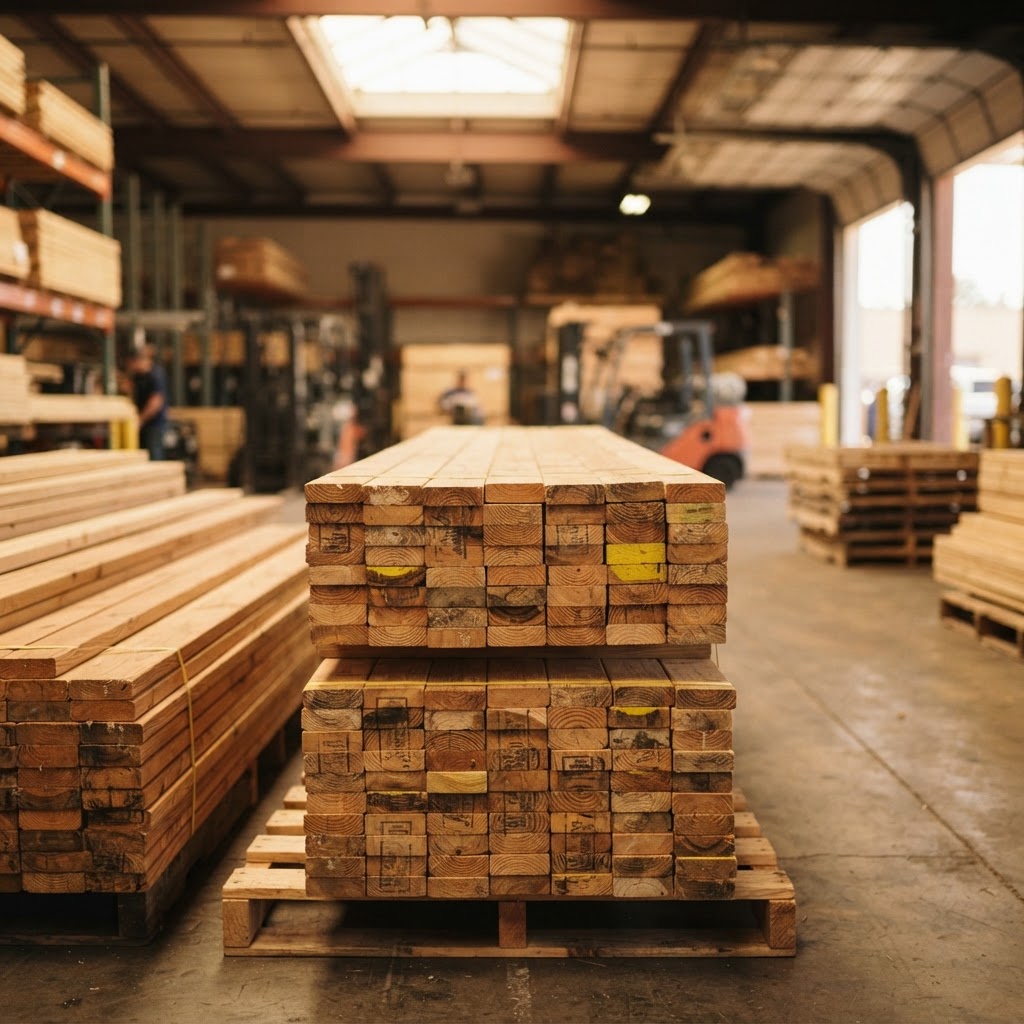
Pressure-treated pine: Most affordable wood option. Cost: $3-$8/linear foot. Requires staining/sealing every 2-3 years. Can warp and crack over time. Lifespan: 15-20 years with maintenance.
Cedar: Naturally rot and insect resistant. Cost: $5-$15/linear foot. Beautiful natural color (weathers to gray). Requires periodic sealing (optional). Lifespan: 20-25 years. Most popular wood choice.
Redwood: Premium natural wood. Cost: $8-$25/linear foot. Excellent rot resistance. Beautiful color. Limited availability in some regions. Lifespan: 25-30 years.
Vinyl (PVC): Zero maintenance. Cost: $10-$20/linear foot. Won't rot, warp, or need painting. Limited color options (mostly white). Can look less natural. Lifespan: 25-30+ years.
Aluminum: Lightweight, strong, low maintenance. Cost: $10-$25/linear foot. Won't rust (powder-coated finish). Modern look. Lifespan: 30+ years.
Fiberglass: Strong, lightweight, low maintenance. Cost: $15-$30/linear foot. Won't rot or rust. Premium option. Lifespan: 30+ years.
Size
Common sizes: Small: 8x8 or 8x10 feet (intimate seating area). Medium: 10x12 or 12x12 feet (dining table, most popular). Large: 12x16 or 14x14 feet (full outdoor living). Extra large: 16x20+ feet (outdoor kitchen/entertaining).
Post sizing: 4x4 posts: acceptable for small pergolas (under 10 feet). 6x6 posts: standard for most residential (recommended). 8x8 posts: large pergolas and heavy loads.
Beam and rafter sizing: Beams: typically 2x8 or 2x10 (span dependent). Rafters: typically 2x6 or 2x8, spaced 12-16 inches apart. Cross pieces (purlins): 2x2 or 2x4, spaced 6-12 inches.
Height: Minimum: 8 feet (clearance under beams). Standard: 9-10 feet. Maximum: 12 feet (taller looks disproportionate). Attached: match or complement house roofline height.
Cost
DIY pergola kit: Small pressure-treated (8x8): $500-$1,500. Medium cedar (10x12): $1,500-$3,500. Large cedar (12x16): $2,500-$5,000. Vinyl kit (10x12): $2,000-$5,000. Aluminum kit (10x12): $2,500-$6,000.
Professional build: Pressure-treated (12x12): $2,000-$5,000. Cedar (12x12): $4,000-$8,000. Vinyl (12x12): $5,000-$10,000. Aluminum (12x12): $5,000-$12,000. Louvered (12x12): $8,000-$20,000.
Additional costs: Concrete footings: $100-$300 per post. Permits: $100-$500. Electrical (lights, fan): $500-$2,000. Shade canopy: $200-$2,000. Stain/seal (wood): $200-$500.
DIY savings: Save 40-60% vs professional installation. Basic carpentry skills sufficient for kit assembly. Most kits install in 1-2 weekends.
Frequently Asked Questions
A DIY pergola kit costs $500-$6,000 depending on size and material. A professionally built 12x12 pergola costs $2,000-$5,000 (pressure-treated), $4,000-$8,000 (cedar), $5,000-$10,000 (vinyl), or $5,000-$12,000 (aluminum). Louvered pergolas with adjustable shade cost $8,000-$20,000. DIY kits save 40-60% over professional installation. What is the best material for a pergola?
Cedar is the most popular choice — naturally rot-resistant, beautiful, and lasts 20-25 years ($5-$15/linear foot). Pressure-treated pine is most affordable ($3-$8/linear foot, 15-20 years). Vinyl and aluminum are maintenance-free but cost more ($10-$25/linear foot, 25-30+ years). Choose based on your budget, desired look, and maintenance preference. What size pergola do I need?
A 10x12 or 12x12 is the most popular residential size — fits a dining table and chairs comfortably. For a small seating area, 8x10 works. For outdoor kitchens or large entertaining, go 12x16 or larger. Use 6x6 posts for most sizes (4x4 only for under 10 feet). Standard height is 9-10 feet. Do I need a permit for a pergola?
It depends on your local building codes. Many municipalities require permits for structures over a certain size (typically 120-200 sq ft) or height, or if attached to the house. Permits cost $100-$500. Check with your local building department before starting. HOAs may also have rules about pergola size, material, and placement.
Lumberama Editorial Team
Outdoor Structure & Carpentry Specialists
Contributor to Lumberama’s reference library. Read our editorial standards and source methodology.
Explore related resources
Where readers of this article usually go next.
Related Articles
Outdoor Living
Fire Pit Guide: Types, Cost & Safety Tips
Build or buy the perfect fire pit for your backyard.
Lumberama Editorial Team Nov 24, 2026 7 min

Outdoor Living
Landscape Lighting Guide: Types, Cost & Design Tips
Transform your outdoor space with lighting.
Lumberama Editorial Team Nov 24, 2026 7 min

Outdoor Living
Walkway & Path Guide: Materials, Cost & Design
Build a beautiful and functional walkway.
Lumberama Editorial Team Nov 24, 2026 7 min