Pergola Building Guide: Materials, Design & DIY Plans
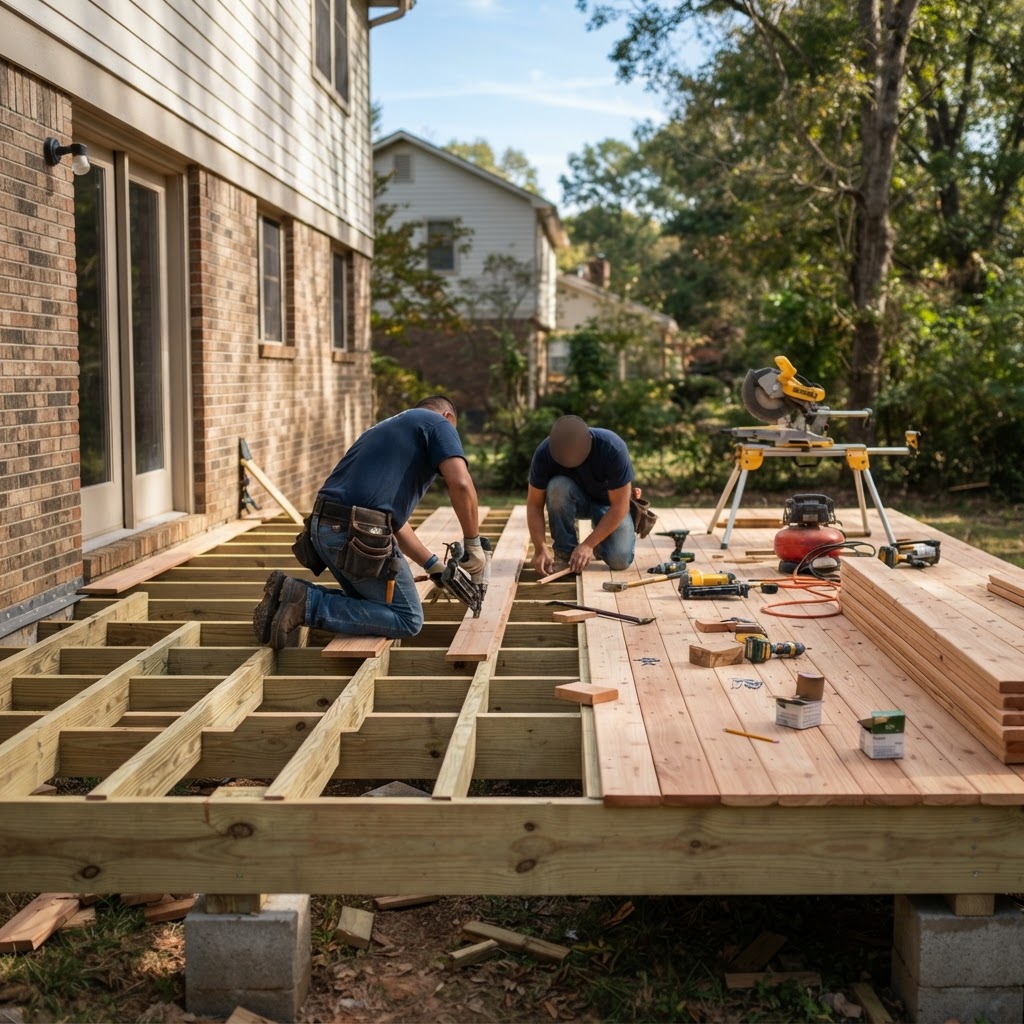
What Is a Pergola
A pergola is an outdoor structure with vertical posts supporting an open lattice of beams and rafters. It provides partial shade and defines an outdoor living space. Unlike a gazebo (enclosed roof) or a pavilion (solid roof), a pergola has an open roof that allows some sunlight through while creating a sense of enclosure and shade. Pergolas are used for: patio covers, garden walkways, outdoor dining areas, hot tub enclosures, and as a decorative garden feature.
Materials
Pressure-treated pine: The most affordable wood option. $500-$1,500 for a 10x12 pergola. Treated for rot and insect resistance. Can be stained or painted. The standard for budget pergolas. Downsides: green tint (fades to grey if unstained), can warp and twist as it dries, and the chemical treatment is a concern for some homeowners.
Cedar: The premium wood choice. $1,000-$3,000 for a 10x12 pergola. Naturally rot and insect resistant (no chemicals). Beautiful reddish-brown color. Lightweight and stable (less warping than pressure-treated). Stain or seal to maintain the color (otherwise it weathers to silver-grey). The most popular choice for high-quality wood pergolas.
- Redwood: Similar to cedar. $1,500-$4,
- 0
- 0
- Naturally rot-resistant, beautiful, and durable. Less available (primarily in the western US). The premium natural wood option.
Vinyl/PVC: Maintenance-free, white, and clean-looking. $1,500-$4,000 for a kit. No painting, staining, or sealing needed. Downsides: limited colors (mostly white), less structural strength than wood (larger posts needed), and can yellow over time.
- Aluminum: Lightweight, strong, and maintenance-free. $2,000-$6,
- 0
- 0
- Powder-coated in various colors. Modern appearance. Will not rust, rot, or warp. The most durable low-maintenance option.
- Fiberglass: The strongest and most durable material. $3,000-$8,
- 0
- 0
- Looks like painted wood but requires zero maintenance. Will not warp, crack, rot, or fade. The premium material for longevity.
Design and Sizing
Size: Common sizes: 8x8, 10x10, 10x12, 12x14, 12x16, and 14x16 feet. Size for your intended use: dining table seating needs at least 10x12 feet, a lounge area needs 12x14+, and a hot tub enclosure needs at least 10x10.
Posts: 6x6 is the standard (minimum for structural integrity). 8x8 for larger pergolas (14+ feet spans). Height: 8-10 feet (measured to the bottom of the beams). Set posts in concrete footings (minimum 12 inches diameter, below the frost line).
Beams: 2x8, 2x10, or 2x12 (doubled or tripled for longer spans). Span: up to 12 feet for 2x10 doubled beams. Beams typically extend 12-18 inches past the posts (with a decorative end cut).
Rafters: 2x6 or 2x8, spaced 12-16 inches apart. Run perpendicular to the beams. Extend 12-18 inches past the beams (with decorative end cuts). Common end cut profiles: angled, curved, or scalloped.
Building Steps
- Lay out and dig post holes (12-inch diameter, below frost line).
- Set 6x6 posts in concrete. Level and brace. Let cure 24-48 hours.
- Attach beams to the tops of the posts with through-bolts or post-beam connectors.
- Install rafters across the beams, secured with hurricane ties or toenailed screws.
- Optional: add a lattice top (1x2 or 2x2 slats across the rafters for additional shade).
- Sand, stain, or seal.
Costs
Pressure-treated 10x12 (DIY materials): $500-$1,500.
Cedar 10x12 (DIY materials): $1,000-$3,000.
Pergola kit (wood, 10x12): $1,500-$4,000.
Professional installation: $3,000-$10,000.
Aluminum kit (10x12): $2,000-$6,000.
Frequently Asked Questions
Lumberama Editorial Team
Outdoor Structure & Landscape Design Specialists
Contributor to Lumberama’s reference library. Read our editorial standards and source methodology.
Explore related resources
Where readers of this article usually go next.
Related Articles

Chicken Coop Guide: How to Build, Cost & Plans
Start your backyard flock with this comprehensive coop building guide.

Pressure Washing Guide: Cost, Tips & When to Wash
Restore your home's exterior with this power washing guide.

Cabinet Guide: Types, Cost & How to Choose Kitchen Cabinets
Find the right cabinets for your kitchen remodel.