Lumber Yard vs Home Depot: Where to Buy Lumber for Your Project
Selection
Big box stores (Home Depot, Lowe’s): Stock a limited selection focused on the most common construction lumber: SPF and SYP dimensional lumber (2x4s through 2x12s), pressure-treated lumber, basic sheet goods (CDX plywood, OSB, MDF, limited hardwood plywood), and a small selection of appearance-grade boards (poplar, red oak, sometimes common pine boards). Typically 15-25 lumber SKUs. Most stores carry no hardwood species beyond red oak and poplar. No rough-sawn lumber, no 8/4 or thicker stock, limited widths.
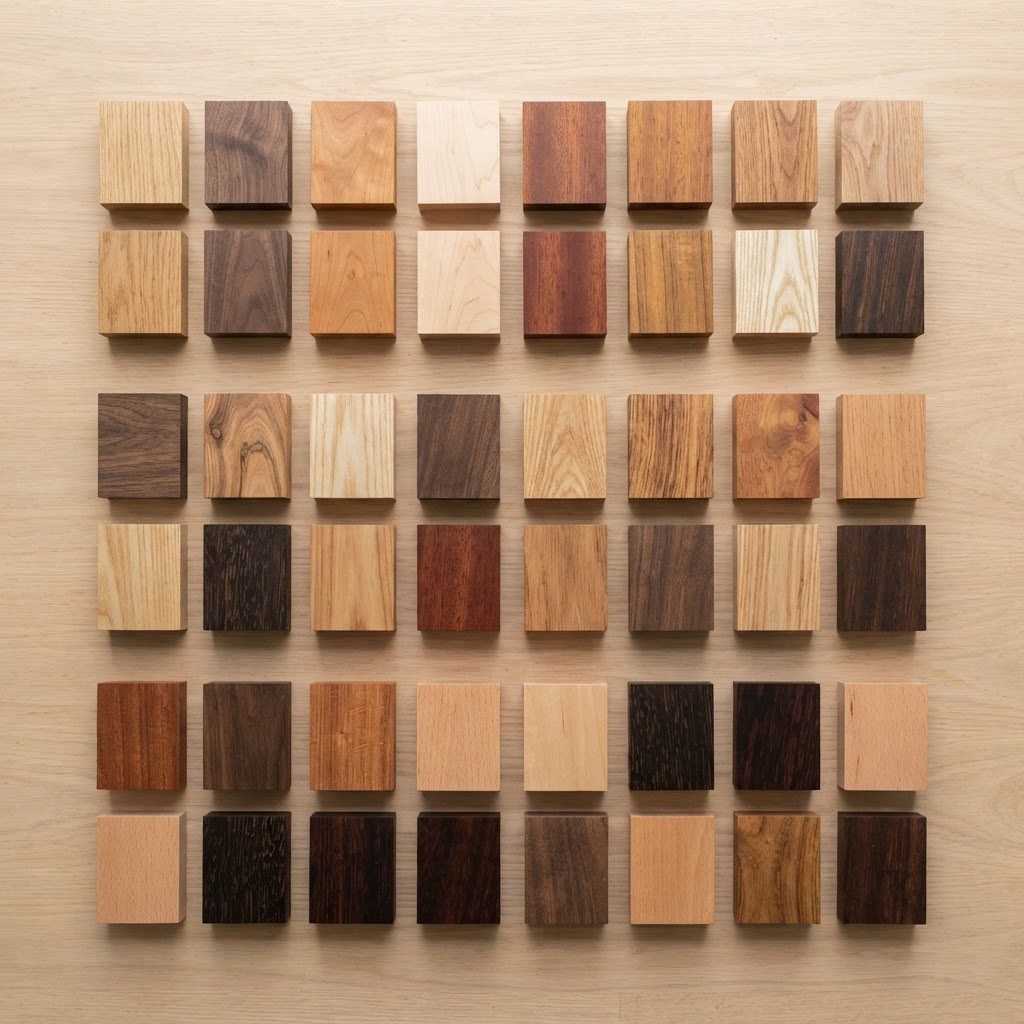
Lumber yards: Dramatically wider selection. A good hardwood dealer stocks 20-50+ species from common (oak, maple, cherry, walnut) to specialty (sapele, bubinga, purpleheart, zebrawood). Most carry rough-sawn lumber in multiple thicknesses (4/4 through 16/4) so you can mill boards to any dimension. Softwood lumber yards stock construction lumber in a wider range of grades and dimensions than home centers, including select structural, clear grades, and specialty items like rough-sawn cedar, Douglas fir timbers, and custom lengths.
Quality
Big box stores: Lumber quality at home centers varies widely and is generally lower than lumber yard stock. The wood sits in an uncovered outdoor area or a low-humidity warehouse environment, often getting rained on, dried, rained on again. Boards are handled roughly by forklifts and customers browsing through the stacks. Result: twisted, bowed, cupped, and cracked boards are common. You'll spend 15-30 minutes picking through a bunk of 2x4s to find straight ones. For hardwood project boards, the selection is pre-surfaced (S4S) in standard thicknesses and widths, but the quality is often #1 Common or lower, with significant knots and defects.
Lumber yards: Better quality control. Most lumber yards store wood under cover, climate-controlled or at least protected from rain. Rough-sawn hardwood is stored in stickered stacks for proper air circulation. Yard employees can help you select boards for grain, color, and defects. Many yards will let you hand-select individual boards from a stack. The wood is generally straighter, drier, and better graded than home center stock.
Pricing
Big box stores: Competitive pricing on construction lumber (dimensional framing lumber, pressure-treated decking, sheet goods) because they buy in enormous volume. For a deck or framing project using standard #2 SPF or SYP, Home Depot and Lowe's are usually the cheapest option. Their hardwood project boards are expensive per board foot because they're pre-surfaced, pre-cut to standard lengths, and sold in retail packaging.
Lumber yards: Often cheaper for hardwood by the board foot. Buying rough-sawn hardwood from a yard and milling it yourself (or having the yard mill it for a small fee) is typically 30-50% cheaper than buying pre-surfaced boards from a home center. For example, rough-sawn red oak at a yard might be $3-$4/BF, while a pre-surfaced red oak board at Home Depot might work out to $6-$8/BF when calculated per board foot. For construction lumber, yards are competitive but may not beat the big box on price for commodity items.
Services
Big box stores: Basic panel cutting (one or two straight cuts on sheet goods). Delivery. Returns (generous return policies). No custom milling, no planing, no ripping to width.
Lumber yards: Custom milling services: surfacing (S2S, S4S), ripping to width, cross-cutting to length, edge-jointing, and sometimes molding profiles and tongue-and-groove milling. Delivery (often free for large orders). Expert staff who can advise on species selection, grading, and project planning. Some yards will kiln-dry your wood, sharpen your blades, or special-order unusual species or dimensions. The relationship you build with a good lumber yard is a genuine asset for your woodworking.
When to Use Each
Go to the big box store when: You need standard construction lumber (2x4s, 2x6s, plywood, OSB) for framing, structural, or utility work. You need pressure-treated lumber for a deck or fence. You need common fasteners, hardware, adhesives, and finishes. You need something right now and the home center is five minutes away.
Go to a lumber yard when: You need hardwood for furniture, cabinetry, or woodworking projects. You want to hand-select boards for quality. You need rough-sawn lumber or thicknesses above 1" (4/4). You want species beyond red oak and poplar. You need custom milling. You want expert advice from someone who knows wood. You're buying in quantity for a large project (yards often give volume discounts).
Frequently Asked Questions
Lumberama Editorial Team
Lumber Purchasing & Industry Specialists
Contributor to Lumberama’s reference library. Read our editorial standards and source methodology.
Explore related resources
Where readers of this article usually go next.
Related Articles

Countertop Guide: Granite vs Quartz vs Marble and More
Choose the right kitchen or bathroom countertop with this comprehensive comparison.

Pool Guide: Above Ground vs In-Ground Cost and Types
Learn about costs, types, and which pool is right for your home.

Retaining Wall Guide: Types, Cost & DIY vs Professional
Build a retaining wall that lasts with this comprehensive guide covering all types and costs.