How to Stain a Deck: Step-by-Step Guide for Beautiful, Long-Lasting Results
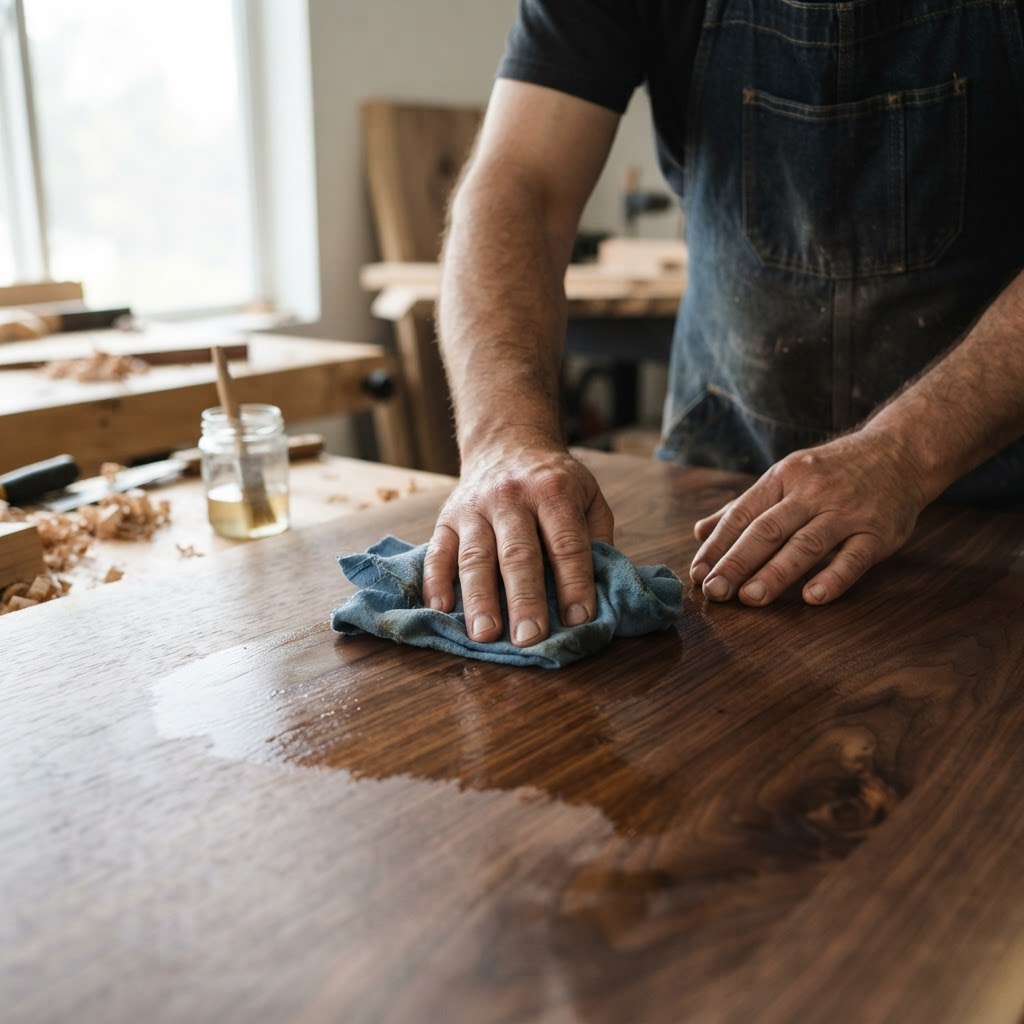
When to Stain
New pressure treated deck: Wait 3-6 months for the wood to dry. New PT lumber is saturated with preservative solution and won't absorb stain properly until it dries. Test by sprinkling water on the surface — if it beads up, wait longer. If it soaks in, the deck is ready.
New cedar or redwood deck: Can be stained immediately or after a few weeks of weathering. These species absorb stain readily when clean and dry.
Previously stained deck: Re-stain when the existing finish has worn away (water no longer beads on the surface). Typically every 2-3 years for horizontal surfaces.
Best conditions: Air temperature 50-90°F, no rain for 48 hours before or after. Avoid direct sunlight during application (stain dries too fast). Morning shade or overcast days are ideal.
Preparation (The Key to Success)
90% of deck stain failures are caused by poor prep. The stain itself rarely fails — it fails because it was applied to a dirty, contaminated, or improperly prepped surface.
Step 1: Clean. Apply a deck cleaner/brightener with a pump sprayer. Scrub with a stiff brush. Rinse thoroughly. For heavily soiled decks, use a pressure washer at 1,200-1,500 PSI with a fan tip, held 12" from the surface. Higher pressure or closer distance damages wood fibers.
Step 2: Repair. Replace split or rotted boards. Re-set popped nails. Tighten loose screws. Sand rough spots and splinters with 60-80 grit.
Step 3: Brighten. After cleaning, apply a deck brightener (oxalic acid based) to restore the wood's natural pH and color. This step is critical for even stain absorption. Scrub, let sit 10-15 minutes, rinse.
Step 4: Dry. Let the deck dry completely — at least 48 hours. Check moisture with a moisture meter if possible (target: below 15%).
Choosing Your Stain
Semi-transparent oil-based stain (our recommendation): The best all-around deck stain. Penetrates into the wood, allows grain to show, provides UV protection through pigment. Won't peel (it wears away gradually). Recoat easily without stripping. Top picks: TWP 100 Series, Cabot Australian Timber Oil, Armstrong-Clark, Ready Seal.
Semi-transparent water-based stain: Easier cleanup (soap and water). Lower VOC. Dries faster. Modern formulations rival oil-based performance. Top picks: Defy Extreme, Benjamin Moore Arborcoat.
Transparent/clear sealer: Minimal UV protection. Shows the most wood grain but requires annual reapplication. Best for naturally beautiful wood you want to preserve.
Solid stain: Maximum UV protection. Hides grain completely (looks like paint). Good for weathered wood. Lasts 3-5 years but can peel if applied too thick. Not recommended for deck floors (foot traffic peels it).
Application
Stir, don't shake. Stir the stain thoroughly before and during application. Pigment settles to the bottom.
Apply with a stain pad applicator or brush. Stain pads cover large areas quickly and work product into the grain. Back-brush with a natural bristle brush for even distribution. Avoid rollers on oil stains (they leave bubbles).
Work in manageable sections. Complete 3-4 boards at a time, maintaining a wet edge. Don't stop mid-board — lap marks will show.
Two thin coats beat one thick coat. Apply the first coat, let it penetrate 15-30 minutes, then wipe off any excess that hasn't absorbed. For oil-based stains, apply a second coat wet-on-wet (before the first coat dries). For water-based, wait the recommended time between coats.
Don't forget: Railings, posts, stair stringers, and the underside of the deck rim. These areas rot first when left unprotected.
Maintenance Schedule
Year 1: Inspect in fall. Sweep regularly.
Years 2-3: Clean with deck cleaner annually. Re-stain horizontal surfaces when water no longer beads (the "sprinkle test").
Years 3-5: Vertical surfaces (railings, posts) usually last longer than horizontal. Re-stain as needed.
The beauty of penetrating stains: recoating is just clean-and-apply. No stripping, no sanding, no scraping. This is why penetrating stains (semi-transparent oil or water) are superior to film-forming products (solid stain, paint) for deck floors.
Frequently Asked Questions
Lumberama Editorial Team
Deck Care & Exterior Finish Specialists
Contributor to Lumberama’s reference library. Read our editorial standards and source methodology.
Continue researching decking
Where readers of this article usually go next.
Related Articles

Caulking Guide: Types, Application & Maintenance
Seal gaps and prevent water damage with this comprehensive caulking and sealant guide.

Grout Guide: Types, Colors & Maintenance
Choose and maintain the right grout for your tile with this comprehensive grout guide.
Deck Staining Guide: Products, Techniques & Cost
Protect and beautify your deck with this comprehensive deck staining guide.