Article
Flooring
Carpet Guide: Types, Fibers & Cost
Lumberama Editorial Team, Carpet & Flooring Specialists Sep 4, 2026 12 min read
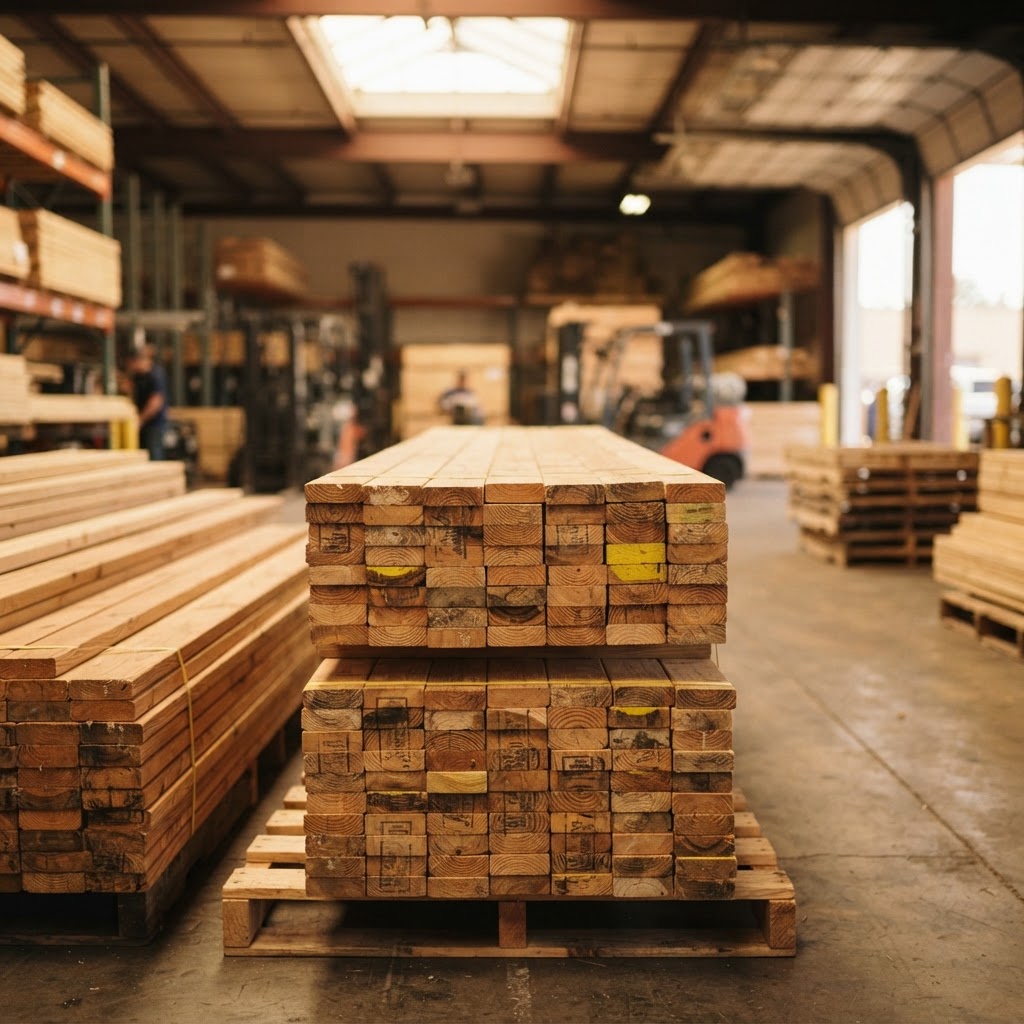
Carpet Fibers
Nylon: The most popular and versatile carpet fiber (65% of residential carpet). Pros: extremely durable, resilient (bounces back from foot traffic), stain-resistant (especially solution-dyed nylon), and available in many styles and colors. Cons: more expensive than polyester. Best brands: Mohawk SmartStrand, Shaw Anso. Cost: $3-$8/sq ft.
Polyester (PET): The second most popular fiber. Pros: soft and luxurious feel, excellent stain resistance (naturally hydrophobic), vibrant colors, and more affordable than nylon. Cons: less durable (crushes and mats in high-traffic areas), less resilient. Cost: $2-$5/sq ft.
Triexta (PTT/SmartStrand): A newer fiber (classified separately from polyester). Pros: combines the softness of polyester with durability approaching nylon, excellent stain resistance, partially plant-based (37% from corn sugar in Mohawk SmartStrand). Cons: limited history (introduced 2009). Cost: $3-$7/sq ft.
Olefin (polypropylene): Used primarily for berber and loop carpets. Pros: moisture and mildew resistant, bleach-cleanable, and affordable. Cons: least durable, crushes easily, and oil-attracting (hard to clean oil-based stains). Cost: $1-$4/sq ft.
Wool: The premium natural fiber. Pros: naturally stain-resistant, luxurious feel, naturally flame-retardant, and sustainable. Cons: most expensive, requires professional cleaning, and can be damaged by moisture and insects. Cost: $6-$20/sq ft.
Carpet Styles
Cut pile (plush/velvet): Fiber tips are cut, creating a smooth, uniform surface. Elegant and formal appearance. Shows footprints and vacuum marks. Best for: bedrooms, formal living rooms, and low-traffic areas.
Textured (cut pile): Fibers are twisted and set at different heights, creating a casual, multi-toned appearance. Hides footprints and vacuum marks. The most popular residential style. Best for: living rooms, bedrooms, and moderate-traffic areas.
Frieze (twist): Tightly twisted fibers that curl at the tip. Casual, textured appearance. Very good at hiding footprints. Best for: high-traffic areas and family rooms.
Berber (loop pile): Uncut loops in a level or multi-level pattern. Durable and hides soil. Cons: loops can snag and unravel. Best for: basements, offices, and high-traffic areas.
Pattern: Combination of cut and loop fibers creating geometric or organic patterns. Modern and distinctive. Cost: typically premium pricing.
Carpet Padding
Padding goes under the carpet and is critical for comfort, durability, and noise reduction.
Do not skip quality padding: good padding extends carpet life by 50% or more.
Types: Rebond (most common): recycled foam in various densities. For residential: 6-8 lb density, 7/16 inch thick. Cost: $0.30-$0.60/sq ft. Memory foam: premium comfort. Cost: $0.50-$1.00/sq ft. Fiber pad: firm, thin padding for berber and commercial carpet. Cost: $0.30-$0.50/sq ft.
Rule: Thicker is not always better. For most cut pile carpet: 7/16 inch, 6-8 lb density. For berber/loop: 3/8 inch, 8+ lb density (firmer to support loops). Too-thick padding under berber causes the carpet to flex and can damage the seams.
Costs
Carpet (material only): Budget: $1-$3/sq ft. Mid-range: $3-$6/sq ft. Premium: $6-$12/sq ft. Wool: $8-$20/sq ft.
Padding: $0.30-$1.00/sq ft.
Installation: $1-$3/sq ft (labor).
Total installed (mid-range, with padding): $5-$10/sq ft.
Average room (200 sq ft): $1,000-$2,000 installed.
Average whole house (1,500 sq ft): $7,500-$15,000 installed.
Carpet removal (old carpet): $0.50-$1.50/sq ft.
Subfloor repair (if needed): $1-$3/sq ft.
Frequently Asked Questions
Material only: budget: $1-$3/sq ft. Mid-range: $3-$6/sq ft. Premium: $6-$12/sq ft. Wool: $8-$20/sq ft. Padding: $0.30-$1.00/sq ft. Installation: $1-$3/sq ft. Total installed (mid-range): $5-$10/sq ft. Average room (200 sq ft): $1,000-$2,000. Average whole house (1,500 sq ft): $7,500-$15,000. Best value: a mid-range nylon or triexta textured carpet ($3-$5/sq ft) with quality rebond padding (6-8 lb density, $0.40-$0.60/sq ft) and professional installation ($1-$2/sq ft). Total: $5-$8/sq ft. This provides excellent durability, comfort, and stain resistance for 10-15 years.
Nylon: more durable, more resilient (bounces back in high-traffic areas), and longer-lasting. The best choice for high-traffic areas (hallways, stairs, living rooms). More expensive ($3-$8/sq ft). Polyester: softer feel, better stain resistance, and more vibrant colors. The best choice for low-traffic areas (bedrooms, guest rooms). More affordable ($2-$5/sq ft). Triexta: a hybrid that combines polyester softness with closer-to-nylon durability. A good middle ground ($3-$7/sq ft). Bottom line: nylon for high-traffic and durability. Polyester or triexta for bedrooms and comfort. Do not put polyester in a hallway or on stairs — it will crush and mat.
Budget carpet: 5-8 years. Mid-range carpet: 8-12 years. Premium/nylon carpet: 12-20 years. Wool carpet: 15-25 years. Factors: fiber type (nylon lasts longest), traffic level, padding quality (good padding extends carpet life by 50%), and maintenance. Maintenance tips: vacuum at least twice per week, professional deep cleaning every 12-18 months, clean spills immediately, use doormats at entries, and rearrange furniture periodically to distribute wear.
It depends on the room and your priorities. Carpet pros: softer and warmer underfoot, quieter (absorbs sound), less expensive, safer for falls (especially for children and elderly), and provides insulation. Carpet cons: stains, holds allergens and dust, and shorter lifespan. Hardwood pros: beautiful, increases home value, long-lasting (50-100 years with refinishing), easy to clean, and hypoallergenic. Hardwood cons: harder underfoot, noisy, more expensive, and can be scratched and dented. Best approach: hardwood in common areas (living room, kitchen, hallways) and carpet in bedrooms and upstairs rooms.
Lumberama Editorial Team
Carpet & Flooring Specialists
Contributor to Lumberama’s reference library. Read our editorial standards and source methodology.
Continue researching flooring
Where readers of this article usually go next.
Related Articles
Flooring
Tile Installation Guide: Types, Cost & DIY Tips
Install beautiful tile floors and walls with this comprehensive tiling guide.
Lumberama Editorial Team Oct 19, 2026 11 min
Flooring
Tile Installation Guide: Types, Cost & Tips
Install beautiful tile floors and walls with this comprehensive DIY and professional guide.
Lumberama Editorial Team Sep 14, 2026 11 min
Flooring
Tile Installation Guide: Types, Layout & Cost
Install tile floors, walls, and backsplashes with this comprehensive guide.
Lumberama Editorial Team Sep 2, 2026 13 min