Boardwalk Building Guide: Wood Selection, Design & Coastal Construction
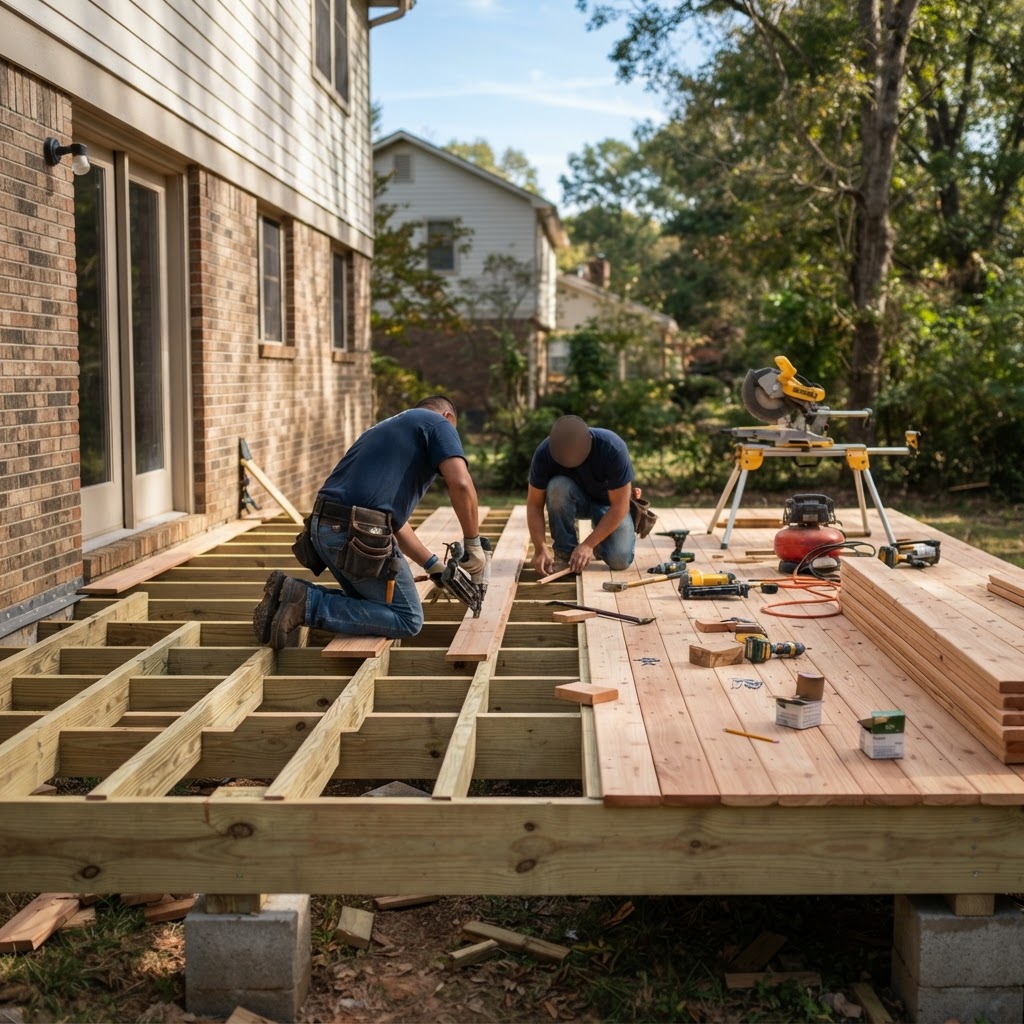
Boardwalk Types and Applications
Wood boardwalks serve as elevated pathways through sensitive environments — coastal dunes, wetlands, marshes, nature preserves, lakefronts, and challenging terrain where ground-level paths would damage the ecosystem or become impassable. They protect fragile ecosystems by keeping foot traffic above the ground surface while providing safe, accessible paths. Boardwalks range from simple residential garden paths (2-4 feet wide) to commercial-grade beach access walkways (6-8 feet wide) to major tourism boardwalks (10-20+ feet wide) with benches, lighting, observation platforms, and retail areas.
Width and Design Standards
Residential boardwalks are typically 3-4 feet wide — comfortable for single-file walking with room for two people to pass. Commercial and public boardwalks should be at least 6 feet wide (8 feet preferred) to accommodate two-way traffic and meet ADA accessibility requirements. ADA-compliant boardwalks must have a maximum cross-slope of 2%, a maximum running slope of 5% (8.33% maximum for ramps with handrails), a firm and stable surface, edge protection (2-inch minimum curb or rail), and passing spaces every 200 feet on trails less than 60 inches wide. Handrails are required on boardwalks higher than 30 inches above grade. Decking gaps must not exceed 1/2 inch to prevent wheelchair casters and walking aids from catching.
Wood Selection
Pressure-treated southern yellow pine (ground-contact rated, UC4A minimum) is the standard for boardwalk framing and decking. It's affordable ($2-4 per linear foot for 5/4x6 decking) and widely available. For coastal and saltwater applications, use marine-grade treatment (UC4C or UC5B) to resist saltwater corrosion and marine borers. The main drawback of pressure-treated pine is its lifespan — 10-15 years in wet environments with constant water exposure. Ipe (Brazilian walnut) is the gold standard for premium boardwalks. With a Janka hardness of 3,510 lbf, it's incredibly durable, naturally resistant to rot and marine borers, and lasts 40-75 years in boardwalk applications. Major boardwalks like those in Atlantic City and Coney Island use ipe. Cost: $4-8 per linear foot for decking. Cumaru and garapa are less expensive tropical hardwood alternatives with similar performance. Composite decking (Trex, TimberTech) is increasingly used for boardwalks — it never rots, never splinters, and requires no maintenance, but costs $4-8 per linear foot and can become slippery when wet (choose textured profiles for boardwalk use).
Foundation and Framing
The foundation method depends on the environment. Helical piles (screw-in steel piers) are the most popular modern boardwalk foundation for wetlands and coastal areas. They're installed with hydraulic equipment, don't require excavation or concrete, and have minimal environmental impact. They resist uplift from wave action and frost heave. Driven timber pilings are the traditional approach for coastal boardwalks — CCA-treated southern yellow pine pilings driven to refusal with a pile hammer. Concrete piers (sono tubes) work for upland boardwalks on stable ground. Floating foundations using foam-filled pontoons work for boardwalks over deep water or areas with significant water level fluctuation.
Framing uses pressure-treated 2x8 or 2x10 stringers (the longitudinal members running the boardwalk's length) supported by cross-beams on the piles, with decking boards running perpendicular to the stringers. All hardware must be hot-dipped galvanized (minimum) or 316 stainless steel (for saltwater environments). Standard fasteners corrode rapidly in marine conditions.
Construction Considerations
Boardwalk construction in wetlands and coastal zones requires environmental permits — Army Corps of Engineers Section 404 permits for wetlands, state and local coastal zone permits, and often environmental impact assessments. The permitting process can take 6-18 months. Minimize ground disturbance during construction — use helical piles instead of driven pilings where possible, build from the completed end outward (using the boardwalk itself as the construction access path), and restore any disturbed areas immediately. Boardwalk height above the ground or water surface varies: 12-18 inches for garden paths, 24-36 inches for wetland crossings (above flood level), and 5-10+ feet for coastal dune crossings (above storm surge). Include observation platforms and rest areas at scenic viewpoints along longer boardwalks.
Cost Estimates
Residential garden boardwalks (3-4 feet wide, pressure-treated) cost $15-30 per linear foot for materials. Commercial boardwalks (6-8 feet wide, pressure-treated) run $50-100 per linear foot installed. Premium boardwalks with ipe decking and stainless steel hardware cost $100-200+ per linear foot installed. Major public boardwalks can exceed $500 per linear foot when factoring in lighting, benches, railings, utilities, and engineering. A 100-foot residential boardwalk through a garden costs roughly $1,500-3,000 in materials.
Frequently Asked Questions
Lumberama Editorial Team
Outdoor Building Experts
Contributor to Lumberama’s reference library. Read our editorial standards and source methodology.
Continue researching decking
Where readers of this article usually go next.
Related Articles

Pressure Washing Guide: Cost, Tips & What to Clean
Restore your home's exterior with pressure washing.
Arbor & Trellis Guide: Types, Cost & DIY Ideas
Add vertical beauty to your garden.
Screen Porch Guide: Types, Cost & Design Ideas
Enjoy the outdoors without bugs.