Sugar Pine Wood Guide 2026
Pinus lambertiana
Sugar Pine is the largest pine species in the world and produces some of the widest, most uniform softwood boards available. Its light cream to pale brown heartwood is extremely soft, lightweight, and easy to work, making it the premier choice for pattern making, foundry work, and specialty millwork. Sugar Pine has minimal shrinkage and excellent dimensional stability, and it cuts cleanly with hand or power tools.
Catalog Price Reference
Unverified catalog note: Domestic softwood. Largest pine species. Increasingly scarce.
Unverified catalog reference, not a current offer. Supplier price source, quotation date and exact grade/milling basis are not recorded in these pricing fields. A page update is not price verification; freight and tax remain unknown until quoted. Enter a dated quote and build a specification.
Wood Appearance
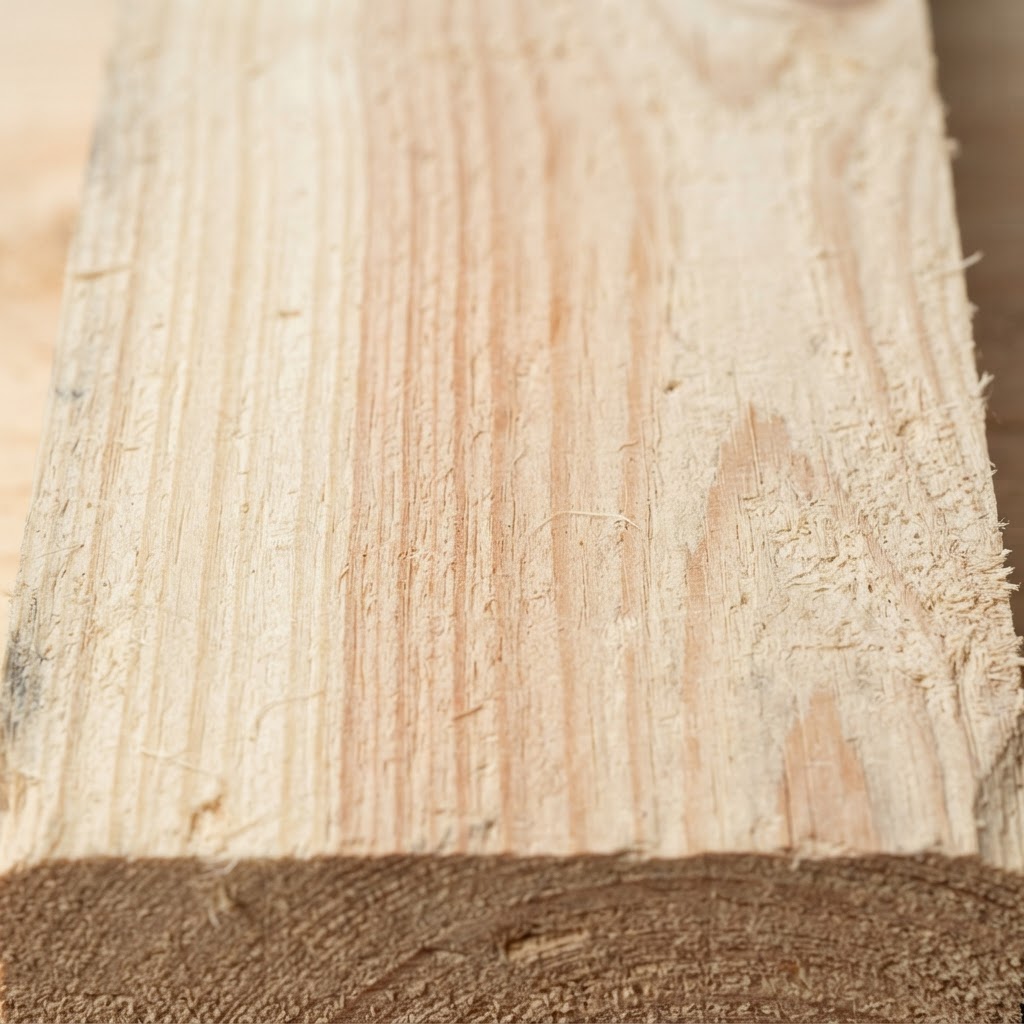
Natural Grain
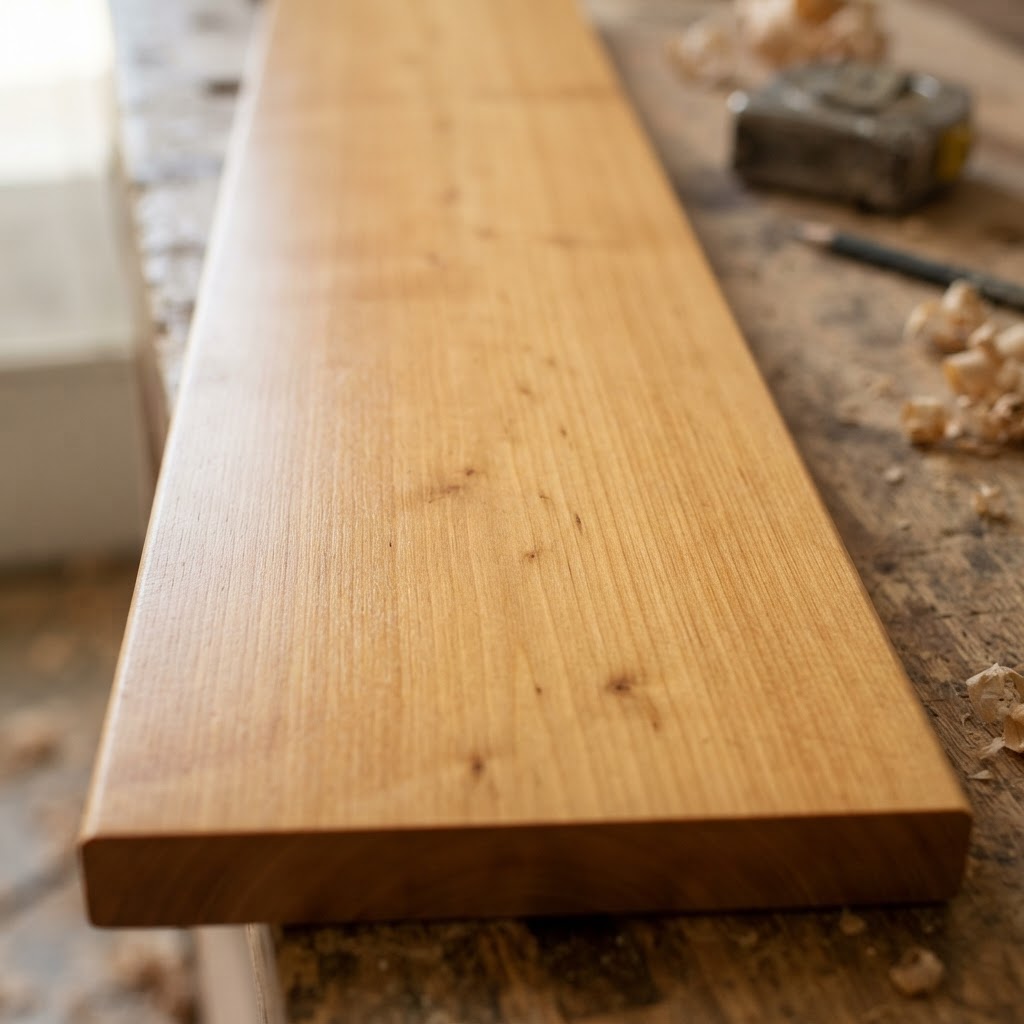
Finished Surface
Key Takeaways
- Density: 25 lbs/ft³
- Classification: Softwood
- Origin: United States (California, Oregon)
- Catalog price ranges are unverified references, not available offers
- Common uses include Pattern making, foundry patterns, organ pipes
Quick Facts
Representative reference values — natural wood varies by growing region, moisture content and individual board.
Durability, Stability & Workability
Texture: Fine and uniform texture with straight grain.
Workability: Excellent machining and carving properties.
Fastening: Nails and screws well; pre-drilling generally not required.
Finishing: Takes paint and varnish remarkably well.
Color change: Turns a deeper light brown with age.
Insect resistance: Moderately resistant to heartwood decay.
Ratings and published values are representative reference figures. Natural wood varies with growing region, moisture content and individual boards — treat them as guidance, not guarantees.
Common Sizes & Availability
Typical market availability for Sugar Pine. Lumberama is a sourcing marketplace — actual stock, widths and lengths vary by supplier. Request a quote to confirm what's available for your project.
| Thickness | Rough | Typical surfaced | Typical widths | Common lengths | |
|---|---|---|---|---|---|
| 4/4 | 1" | 13/16" (3/4" common) | Random widths are common in clear shop grades. | Random lengths are available from 8 to 16 feet. | Request this size |
| 5/4 | 1-1/4" | 1-1/16" | Random widths are common in clear shop grades. | Random lengths are available from 8 to 16 feet. | Request this size |
| 6/4 | 1-1/2" | 1-5/16" | Random widths are common in clear shop grades. | Random lengths are available from 8 to 16 feet. | Request this size |
| 8/4 | 2" | 1-3/4" | Random widths are common in clear shop grades. | Random lengths are available from 8 to 16 feet. | Request this size |
| 12/4 | 3" | 2-3/4" | Random widths are common in clear shop grades. | Random lengths are available from 8 to 16 feet. | Request this size |
| 16/4 | 4" | 3-3/4" | Random widths are common in clear shop grades. | Random lengths are available from 8 to 16 feet. | Request this size |
- 4/4rough 1"
- Surfaced
- 13/16" (3/4" common)
- Widths
- Random widths are common in clear shop grades.
- Lengths
- Random lengths are available from 8 to 16 feet.
- 5/4rough 1-1/4"
- Surfaced
- 1-1/16"
- Widths
- Random widths are common in clear shop grades.
- Lengths
- Random lengths are available from 8 to 16 feet.
- 6/4rough 1-1/2"
- Surfaced
- 1-5/16"
- Widths
- Random widths are common in clear shop grades.
- Lengths
- Random lengths are available from 8 to 16 feet.
- 8/4rough 2"
- Surfaced
- 1-3/4"
- Widths
- Random widths are common in clear shop grades.
- Lengths
- Random lengths are available from 8 to 16 feet.
- 12/4rough 3"
- Surfaced
- 2-3/4"
- Widths
- Random widths are common in clear shop grades.
- Lengths
- Random lengths are available from 8 to 16 feet.
- 16/4rough 4"
- Surfaced
- 3-3/4"
- Widths
- Random widths are common in clear shop grades.
- Lengths
- Random lengths are available from 8 to 16 feet.
Availability notes: Specialty softwood available through select timber suppliers.
How lumber sizes are described
- Rough (4/4, 8/4…)
- Hardwood thickness in quarters of an inch as sawn, before surfacing. 4/4 = 1" rough.
- Surfaced (S2S/S4S)
- Thickness after planing. 4/4 typically finishes at 13/16" or 3/4".
- Nominal vs. actual
- Construction lumber is sold by nominal size; a 2x6 measures about 1-1/2" x 5-1/2".
- Random width / length
- Most hardwood is sold as it comes from the log — widths and lengths vary within a range rather than being fixed.
Color & Grain
Color: Light cream to pale reddish brown heartwood with narrow white sapwood
Grain: Straight, very fine, even grain with a soft, uniform texture; minimal resin
Common Uses
- Pattern making
- foundry patterns
- organ pipes
- millwork
- sash and doors
- blinds
- sign making
Key Characteristics
Also known as: California Sugar Pine, Big Pine
Availability: Supplier confirmation required; this reference is not live inventory.
Advantages
- Janka indentation hardness: 380 lbf
- Heartwood decay rating: Moderately Durable
- Sourced from United States (California, Oregon)
Considerations
- Hardness does not establish decay resistance or structural design strength
- Compare dated quotes on the same grade, dimensions and milling basis
Frequently Asked Questions
Alternatives to Consider
Species commonly specified for similar applications when Sugar Pine is unavailable or over budget.
- Eastern White Pine
- Ponderosa Pine460 lbf Janka
Related Species
Alaska Yellow Cedar
Alaska Yellow Cedar is among the most durable softwoods in the world, with natural decay resistance
View speciesAromatic Red Cedar
Aromatic Red Cedar is beloved for its distinctive spicy fragrance and natural moth-repelling propert
View speciesAtlantic White Cedar
Atlantic White Cedar is a lightweight, aromatic softwood native to the swamps and bogs of the Easter
View species