Massaranduba Wood Guide 2026
Manilkara bidentata
Massaranduba is an ultra-dense South American hardwood that rivals Ipe in strength and durability. Its deep reddish-brown heartwood is extremely hard, heavy, and naturally resistant to rot, insects, and marine borers. Often used as a cost-effective alternative to Ipe for decking and heavy construction, Massaranduba offers exceptional longevity in ground-contact and marine applications with a rich, warm color that weathers to a silver-gray patina.
Catalog Price Reference
Unverified catalog note: Brazilian Redwood. Popular decking species.
Unverified catalog reference, not a current offer. Supplier price source, quotation date and exact grade/milling basis are not recorded in these pricing fields. A page update is not price verification; freight and tax remain unknown until quoted. Enter a dated quote and build a specification.
Wood Appearance
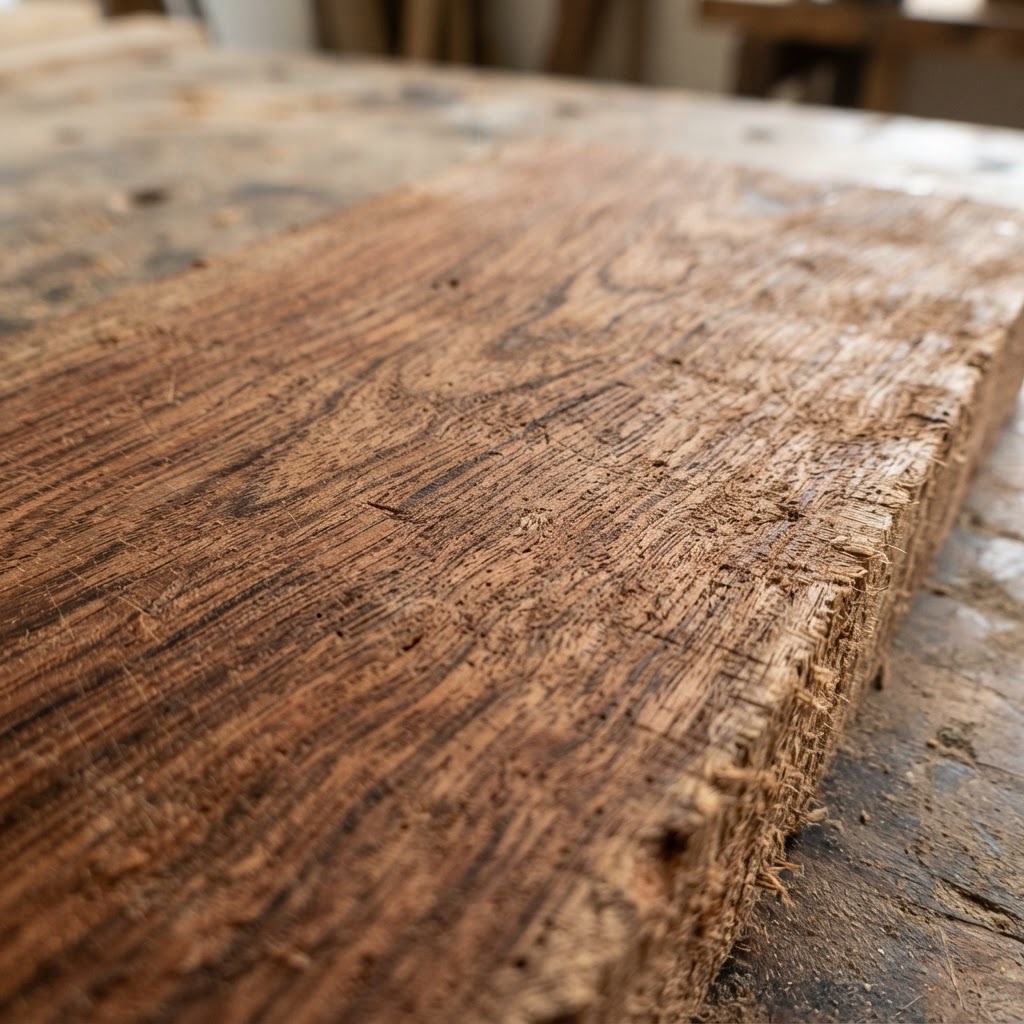
Natural Grain
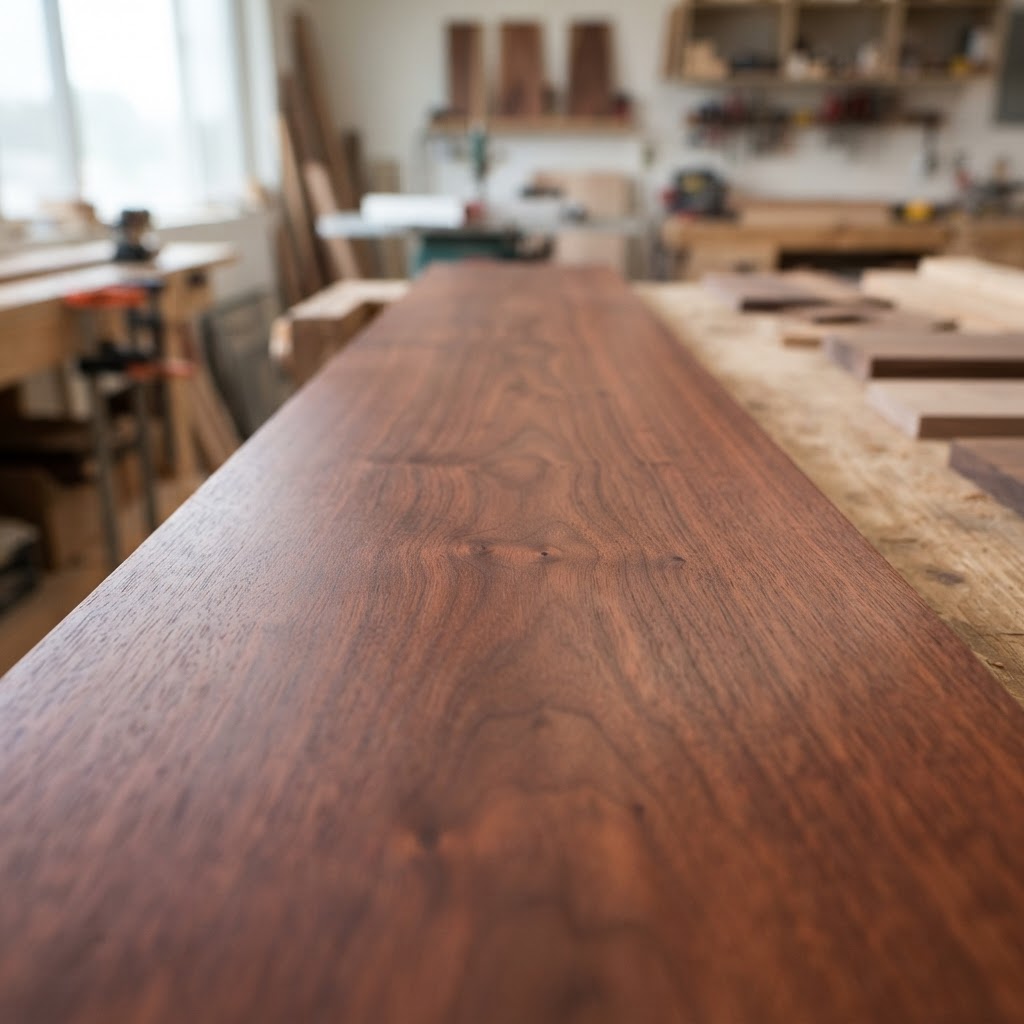
Finished Surface
Key Takeaways
- Density: 62 lbs/ft³
- Classification: Hardwood
- Origin: Brazil, Suriname, Guyana, Venezuela, Central America
- Catalog price ranges are unverified references, not available offers
- Common uses include Decking, heavy construction, marine pilings
Quick Facts
Representative reference values — natural wood varies by growing region, moisture content and individual board.
Durability, Stability & Workability
Texture: Fine
Workability: Very hard and dense; blunts tooling; can check if dried too quickly.
Fastening: Pre-drilling recommended for screws and nails.
Finishing: Penetrating oils; avoid film finishes.
Color change: Deep red-brown grays without finish.
Insect resistance: Highly resistant
Ratings and published values are representative reference figures. Natural wood varies with growing region, moisture content and individual boards — treat them as guidance, not guarantees.
Common Sizes & Availability
Typical market availability for Massaranduba. Lumberama is a sourcing marketplace — actual stock, widths and lengths vary by supplier. Request a quote to confirm what's available for your project.
| Thickness | Rough | Typical surfaced | Typical widths | Common lengths | |
|---|---|---|---|---|---|
| 4/4 | 1" | 13/16" (3/4" common) | Decking 4 in. and 6 in. | Decking 8–20 ft | Request this size |
| 5/4 | 1-1/4" | 1-1/16" | Decking 4 in. and 6 in. | Decking 8–20 ft | Request this size |
- 4/4rough 1"
- Surfaced
- 13/16" (3/4" common)
- Widths
- Decking 4 in. and 6 in.
- Lengths
- Decking 8–20 ft
- 5/4rough 1-1/4"
- Surfaced
- 1-1/16"
- Widths
- Decking 4 in. and 6 in.
- Lengths
- Decking 8–20 ft
Decking & exterior profiles
1x4, 1x6, 5/4x4, 5/4x6
Availability notes: Available from tropical decking specialists; best in humid climates — can check in hot, dry exposure.
How lumber sizes are described
- Rough (4/4, 8/4…)
- Hardwood thickness in quarters of an inch as sawn, before surfacing. 4/4 = 1" rough.
- Surfaced (S2S/S4S)
- Thickness after planing. 4/4 typically finishes at 13/16" or 3/4".
- Nominal vs. actual
- Construction lumber is sold by nominal size; a 2x6 measures about 1-1/2" x 5-1/2".
- Random width / length
- Most hardwood is sold as it comes from the log — widths and lengths vary within a range rather than being fixed.
Color & Grain
Color: Deep reddish brown to dark red; darkens with age; gray-brown sapwood
Grain: Straight to slightly interlocked grain with a fine, even texture
Common Uses
- Decking
- heavy construction
- marine pilings
- flooring
- railroad crossties
- bridge timbers
- industrial flooring
Key Characteristics
Also known as: Bulletwood, Beefwood, Balata
Availability: Supplier confirmation required; this reference is not live inventory.
Advantages
- Janka indentation hardness: 3,190 lbf
- Heartwood decay rating: Very Durable
- Sourced from Brazil, Suriname, Guyana, Venezuela, Central America
- Excellent density for wear resistance
Considerations
- Pre-drilling recommended for fasteners
- Hardness does not establish decay resistance or structural design strength
- Compare dated quotes on the same grade, dimensions and milling basis
- Availability may vary
Frequently Asked Questions
Alternatives to Consider
Species commonly specified for similar applications when Massaranduba is unavailable or over budget.