The Complete Guide to Pry Bars (2026)
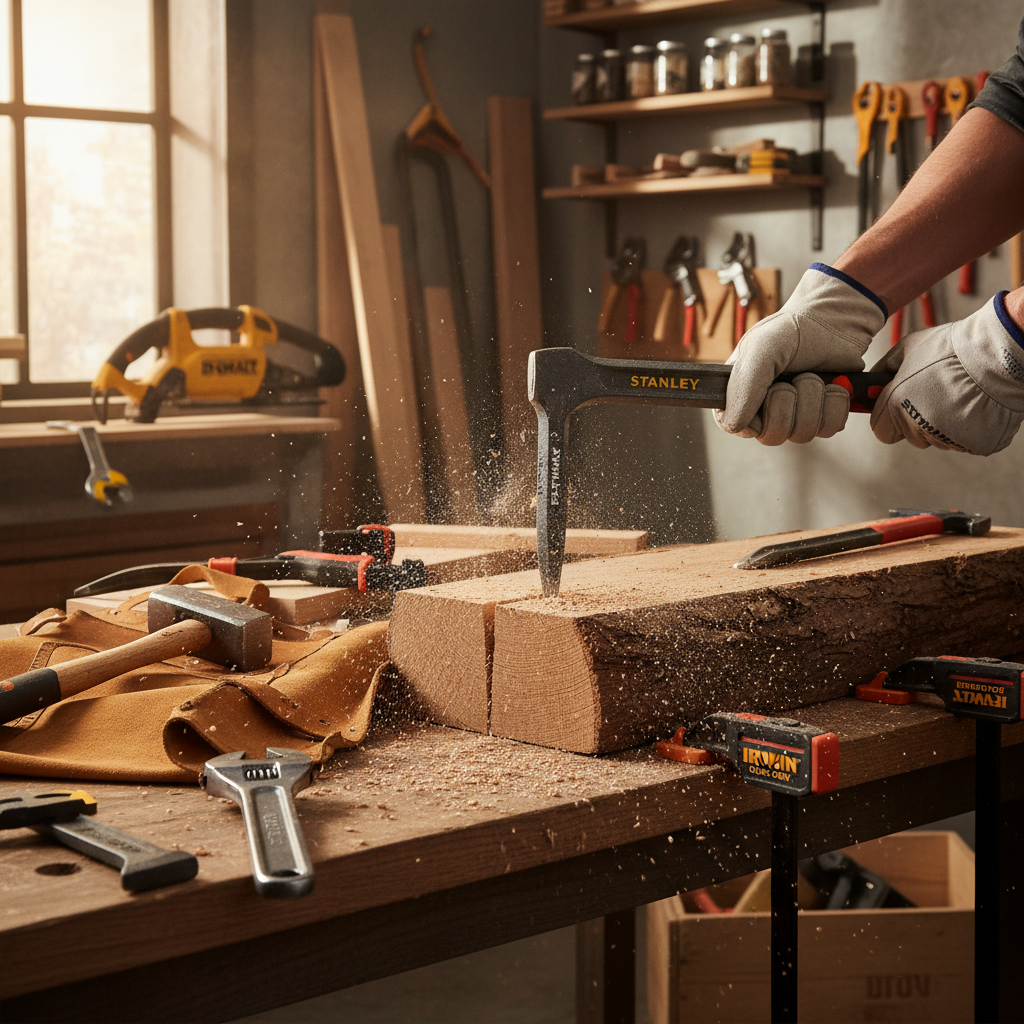
A pry bar is a leverage tool used for pulling nails, separating joined materials, prying apart framing, and demolition work. Available in sizes from a 6-inch trim puller to a 36-inch wrecking bar, pry bars provide the mechanical advantage needed to disassemble structures, remove trim without damage, extract stubborn nails, and tackle renovation projects.
Key Takeaways
- A pry bar is a leverage tool used for pulling nails, separating joined materials, prying apart framing, and demolition work.
- Available in sizes from a 6-inch trim puller to a 36-inch wrecking bar, pry bars provide the mechanical advantage needed to disassemble structures, remove trim without damage, extract stubborn nails, and tackle renovation projects.
- Pry bars are used for pulling nails from lumber, removing baseboard and trim without damage, demolishing walls and structures, prying apart framing members, lifting heavy objects for shimming, removing roofing materials, scraping adhesive and paint, and separating glued or nailed assemblies.
- Length (determines leverage), width and thickness (thin for trim, thick for demolition), nail slot design, curved vs flat profile, tempered steel construction, comfortable grip, beveled edge for wedging, and powder-coated finish for rust resistance.
What It's Used For
Pry bars are used for pulling nails from lumber, removing baseboard and trim without damage, demolishing walls and structures, prying apart framing members, lifting heavy objects for shimming, removing roofing materials, scraping adhesive and paint, and separating glued or nailed assemblies.
Types & Variations
Flat Bar (thin, flat, for delicate prying and trim removal), Wonder Bar/Pry Bar (curved, multi-function nail puller), Wrecking Bar/Crowbar (heavy-duty, 18-36 inches), Cat's Paw (nail extractor that digs under nail heads), Trim Puller (wide blade to distribute force and prevent damage), and Rolling Head Pry Bar (for tight spaces).
Key Features to Look For
- Length (determines leverage)
- width and thickness (thin for trim
- thick for demolition)
- nail slot design
- curved vs flat profile
- tempered steel construction
- comfortable grip
- beveled edge for wedging
- and powder-coated finish for rust resistance.
How to Use
1) For trim removal: Slide the thin end behind the trim piece and gently pry away from the wall. Work slowly along the length. 2) For nail pulling: Slide the nail slot under the nail head and lever the bar to extract the nail. Use a block of wood under the bar to protect the surface and increase leverage. 3) For demolition: Drive the flat end behind boards with a hammer and pry apart. 4) For cat's paw: Position the curved claw over the nail head, strike with a hammer to dig under it, then lever the nail out.
⚠️ Safety Tips
Wear safety glasses and gloves during demolition. Be aware of hidden nails and screws that may fly when prying. Check for electrical wires and plumbing before prying into walls. Use proper leverage — never stand behind a pry bar that could snap back. Do not use a pry bar as a chisel. Inspect for cracks before use — a broken pry bar under load is dangerous.
Maintenance
Clean debris from the nail slot and prying surfaces. Apply oil or WD-40 to prevent rust. Check for bends or cracks — discard damaged bars. Sharpen the beveled edge occasionally for easier wedging. Store in a dry location.
Price Range & Recommendations
Price Range: $5-$15 for basic flat bars, $10-$25 for wonder bars and cat's paws, $15-$40 for wrecking bars, $20-$40 for trim puller sets, $30-$60 for premium demolition sets.
Beginners should start with a Stanley FatMax 15-inch flat bar ($12) and a Vaughan cat's paw ($10) — these two cover most prying tasks. For trim work, add a trim puller bar. Pros will carry a full set: Estwing Gooseneck 18-inch wrecking bar for demolition, a 15-inch flat bar for general prying, a cat's paw for nail extraction, and a trim puller for finish removal.
Top Brands
Related Tools
Frequently Asked Questions
Related Guides
Bar Clamps
Essential guide to bar clamps for glue-ups and assembly. Compare Bessey, Jorgensen & Irwin models. F
Read guideChisel Set
Choose the best wood chisel set for joinery and mortising. Compare Narex, Stanley & Irwin sets. Stee
Read guideFinish Hammer
Find the perfect finish hammer for trim work and cabinetry. Compare Estwing, Vaughan & Dalluge model
Read guideFraming Hammer
Choose the right framing hammer for rough carpentry. Compare Estwing, Stiletto & Martinez models. St
Read guide