The Complete Guide to Cordless Drills (2026)
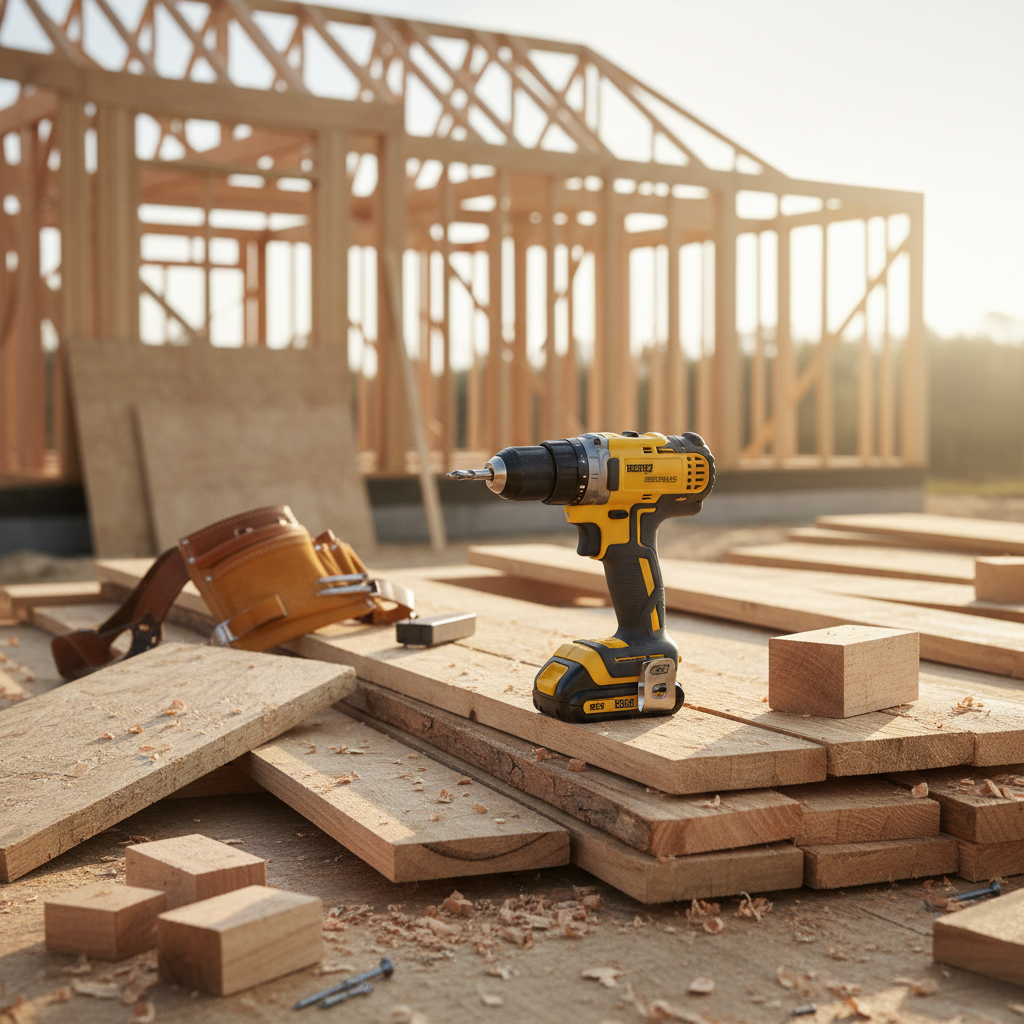
The cordless drill is the single most essential power tool for DIYers and professionals alike. Combining a motor, adjustable clutch, variable speed trigger, and rechargeable battery, it drills holes and drives screws in wood, metal, plastic, and light masonry. Modern lithium-ion batteries deliver impressive power and run times, making corded drills nearly obsolete for most applications.
Key Takeaways
- The cordless drill is the single most essential power tool for DIYers and professionals alike.
- Combining a motor, adjustable clutch, variable speed trigger, and rechargeable battery, it drills holes and drives screws in wood, metal, plastic, and light masonry.
- Modern lithium-ion batteries deliver impressive power and run times, making corded drills nearly obsolete for most applications.
- Cordless drills are used for drilling holes in wood, metal, and plastic, driving and removing screws, assembling furniture and cabinets, installing hardware and hinges, boring holes with spade bits and hole saws, mixing paint and thin-set (low-speed models), and general construction and maintenance tasks.
- Voltage (12V, 18V/20V), brushless motor (longer life, more power, less heat), chuck size (3/8 or 1/2 inch), clutch settings (15-25 positions), 2-speed gearbox (low for driving, high for drilling), max torque (in-lbs), LED work light, battery type and capacity (Ah), belt clip, magnetic bit holder, and compact size for tight spaces.
What It's Used For
Cordless drills are used for drilling holes in wood, metal, and plastic, driving and removing screws, assembling furniture and cabinets, installing hardware and hinges, boring holes with spade bits and hole saws, mixing paint and thin-set (low-speed models), and general construction and maintenance tasks.
Types & Variations
12V Compact (lightweight, for light-duty work and tight spaces), 18V/20V Standard (most popular all-around choice), 20V Brushless (longer runtime, more power), Compact Sub-Compact (ultra-light for overhead work), and Hammer-Drill Combo (adds hammer function for masonry). Note: DeWalt 20V MAX and Milwaukee M18 are 18V nominal.
Key Features to Look For
- Voltage (12V
- 18V/20V)
- brushless motor (longer life
- more power
- less heat)
- chuck size (3/8 or 1/2 inch)
- clutch settings (15-25 positions)
- 2-speed gearbox (low for driving
- high for drilling)
- max torque (in-lbs)
- LED work light
- battery type and capacity (Ah)
- belt clip
- magnetic bit holder
- and compact size for tight spaces.
How to Use
1) Insert the correct bit into the chuck and tighten by hand or with the ratcheting mechanism. 2) Select the speed setting — low gear for driving screws, high gear for drilling. 3) Set the clutch to the appropriate level — lower numbers for small screws, higher for large screws, drill symbol for drilling. 4) Mark your drilling point and use a center punch for metal. 5) Start at low speed to establish the hole, then increase speed. 6) For driving screws, let the clutch disengage at the correct torque to avoid stripping.
⚠️ Safety Tips
Wear safety glasses when drilling, especially in metal. Secure small workpieces with clamps — never hold them by hand while drilling. Be cautious of the bit catching and spinning the workpiece. Use the auxiliary handle for large bits. Check for hidden wires and pipes before drilling into walls. Remove the battery when changing bits. Start slowly on slippery surfaces like tile.
Maintenance
Charge batteries before they fully deplete to extend life. Store batteries in a cool, dry place. Clean the chuck jaws and keep them free of debris. Blow dust from motor vents with compressed air. Inspect the chuck for wobble and replace if worn. Apply a drop of oil to the chuck mechanism periodically. Keep the tool clean and dry.
Price Range & Recommendations
Price Range: $40-$80 for 12V kits, $80-$150 for basic 18V/20V kits, $150-$250 for brushless kits with two batteries, $200-$350 for premium brushless kits.
Beginners should get the Ryobi ONE+ P215K ($60 range) or DeWalt DCD771C2 ($80 range) — both are reliable and affordable. For better long-term value, invest in a brushless model like the DeWalt DCD791D2 or Milwaukee M18 2801. Pros need the Milwaukee M18 FUEL 2903 or DeWalt DCD800 for maximum torque, compact size, and compatibility with their existing battery platform.
Top Brands
Related Tools
Frequently Asked Questions
Related Guides
Doweling Jig
Perfect dowel joints every time with a doweling jig. Compare Wolfcraft, Jessem & Dowelmax systems. A
Read guideDrill Press
Achieve perfect holes every time with a drill press. Compare WEN, Jet & Delta benchtop and floor mod
Read guideHammer Drill
Drill into concrete, brick & masonry with confidence. Compare DeWalt, Bosch & Milwaukee hammer drill
Read guideImpact Driver
Learn why every builder needs an impact driver. Compare Milwaukee, DeWalt & Makita models. Torque sp
Read guide