Reclaimed vs New Growth Hardwood: 2026 Complete Comparison (2026)
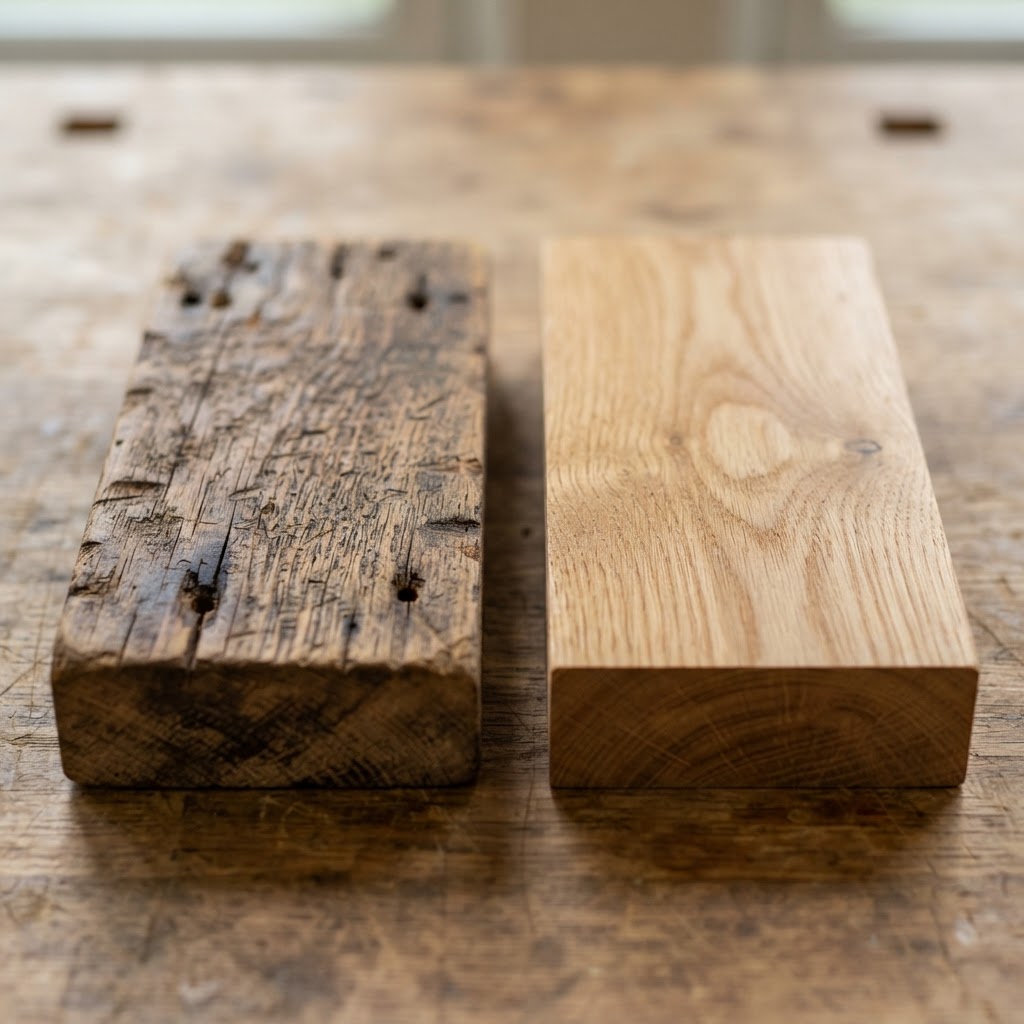
The choice between reclaimed and new growth hardwood goes beyond sustainability — it affects wood quality, character, and project execution. Reclaimed wood often comes from old-growth trees with tighter grain and superior density, while new growth offers consistency and availability. This comparison helps builders and woodworkers understand the real trade-offs.
Reclaimed Hardwood
New Growth Hardwood
Key Takeaways
- The choice between reclaimed and new growth hardwood goes beyond sustainability — it affects wood quality, character, and project execution.
- Reclaimed wood often comes from old-growth trees with tighter grain and superior density, while new growth offers consistency and availability.
- This comparison helps builders and woodworkers understand the real trade-offs.
- Both have their place.
- Reclaimed hardwood is genuinely superior in quality (old-growth grain) and sustainability (zero new harvesting), but its cost and inconsistency limit it to feature applications.
| Property | Reclaimed Hardwood | New Growth Hardwood |
|---|---|---|
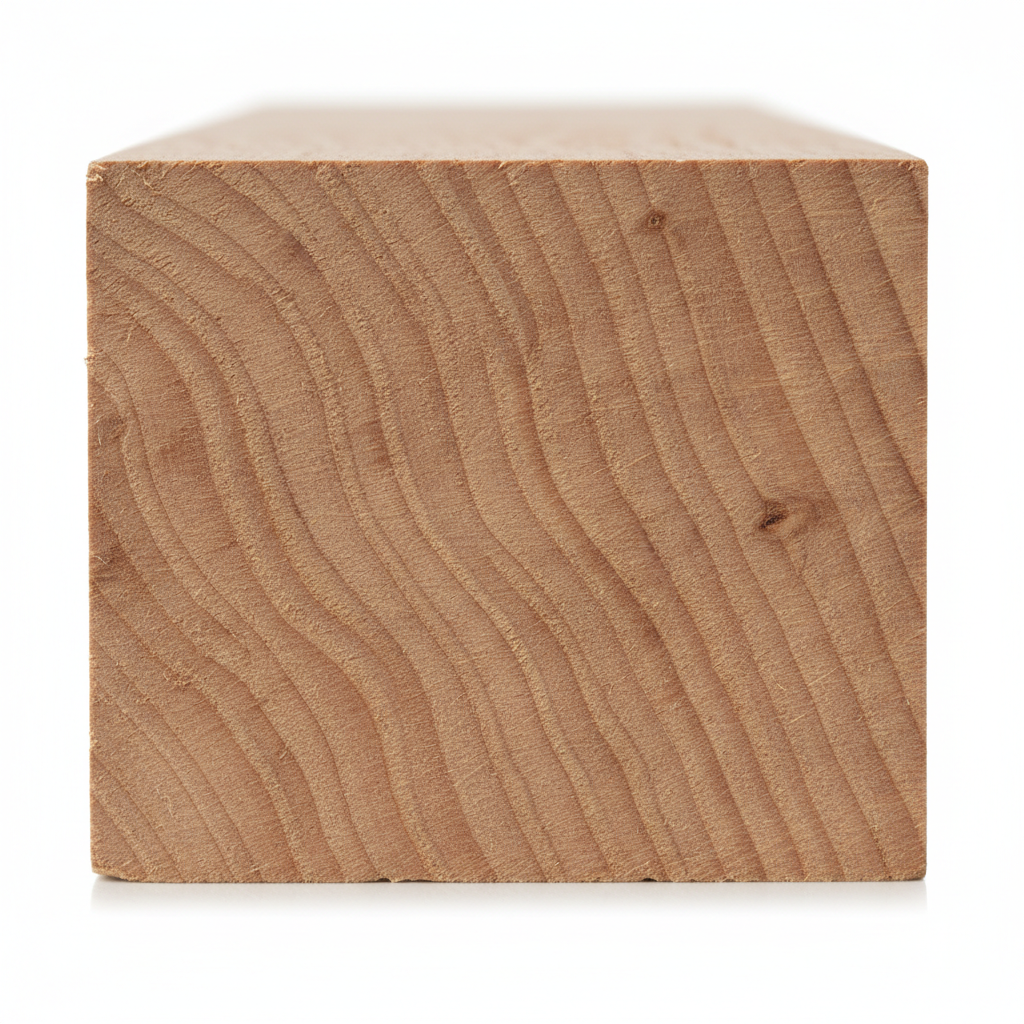
| Grain Density | Often tighter — old-growth origin | Wider — faster growth |
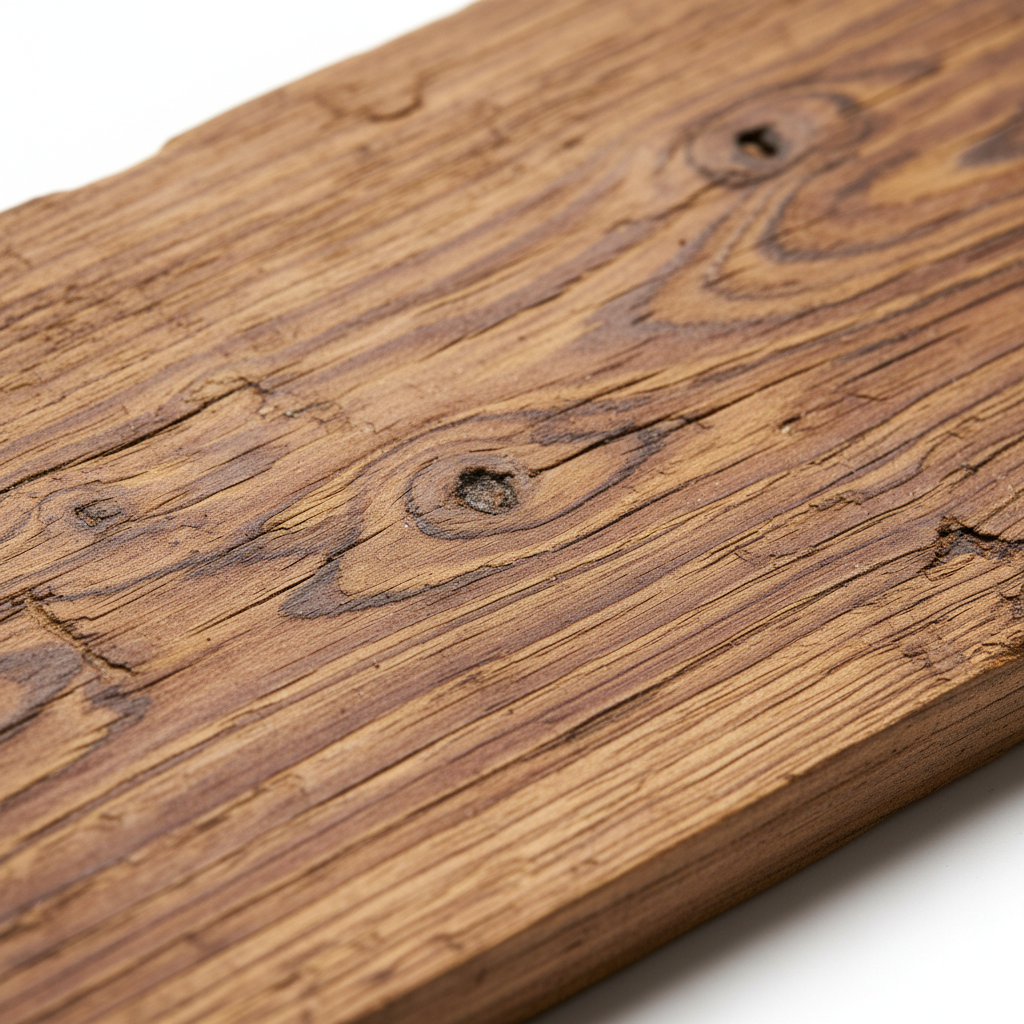
| Character | Unique patina, nail holes, history | Clean, uniform, predictable |
| Consistency | Variable — each piece unique | Consistent grades and sizes |
| Avg Cost (BF, Oak) | $10–25 | $5–12 |
| Environmental Impact | Very low — reuse | Moderate — new harvest |
| Availability | Limited and inconsistent | Widely available |
Reclaimed Hardwood
Pros
- Zero new tree harvesting — highest sustainability. Often old-growth quality with tight grain and density. Unique character and history add storytelling value. Harder and more stable than equivalent new-growth species.
Cons
- Expensive due to sourcing, denailing, and milling labor. Inconsistent availability and sizing. May contain hidden metal, lead paint, or damage. Requires careful inspection and preparation.
New Growth Hardwood
Pros
- Consistent quality, grading, and sizing. Readily available in all species and dimensions. More affordable per board foot. No hidden defects or contamination concerns.
Cons
- Wider growth rings — less dense than old-growth. No unique character or history. Contributes to new forest harvesting. Less dimensionally stable than old-growth equivalents.
Best Use Cases
Choose Reclaimed Hardwood for accent walls, feature tables, mantels, and visible projects where character and sustainability story matter, and where variable sizing is acceptable. Choose New Growth for structural framing, cabinetry, and any project requiring consistent dimensions, reliable supply, and straightforward workability.
Verdict
Both have their place. Reclaimed hardwood is genuinely superior in quality (old-growth grain) and sustainability (zero new harvesting), but its cost and inconsistency limit it to feature applications. New growth hardwood is the practical choice for most building projects requiring reliable supply and consistent dimensions. Use reclaimed where it will be seen and appreciated, new growth where practicality matters.