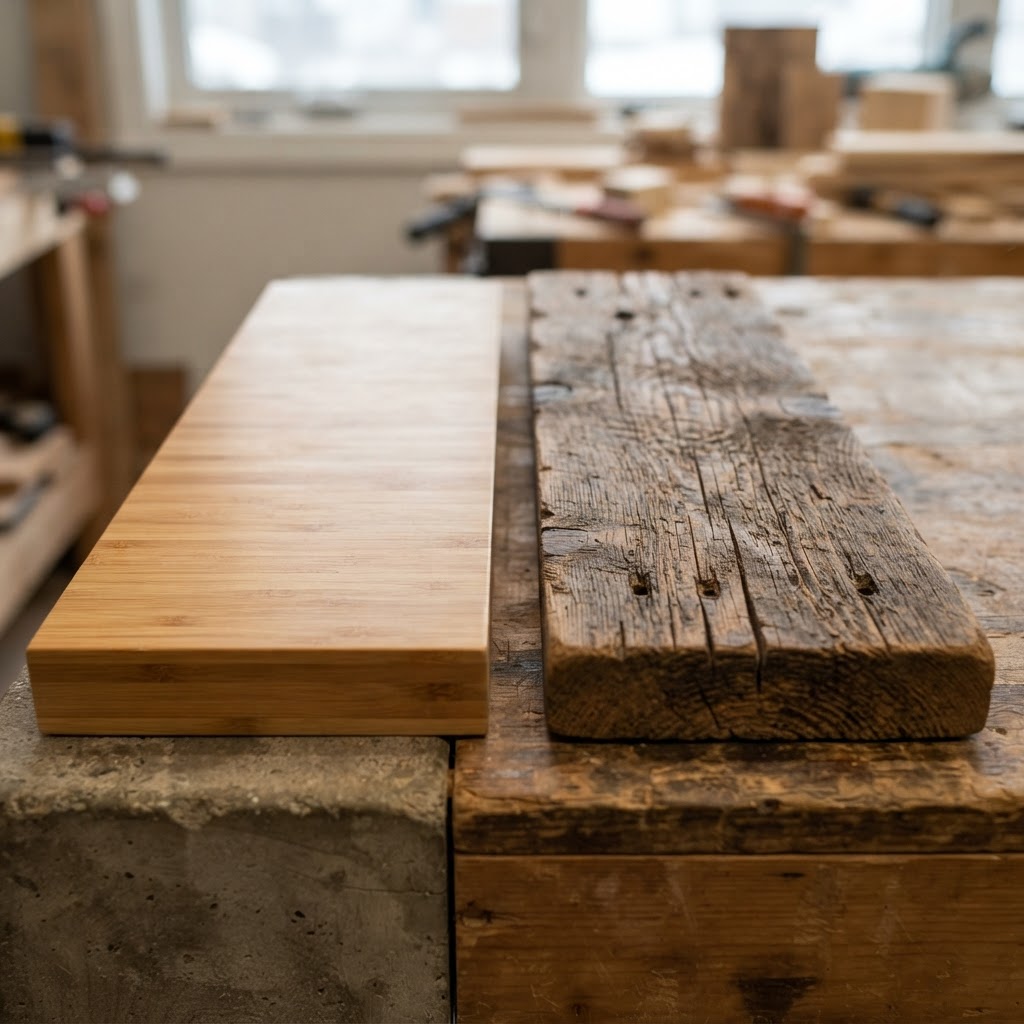
Bamboo vs Reclaimed Wood for Sustainability: 2026 Complete Comparison (2026)
Eco-conscious builders face a choice between two sustainable material strategies: bamboo, which grows rapidly and renewably, and reclaimed wood, which repurposes existing timber. Both reduce environmental impact but through different mechanisms. This comparison examines sustainability credentials, practical performance, and cost for green building projects.
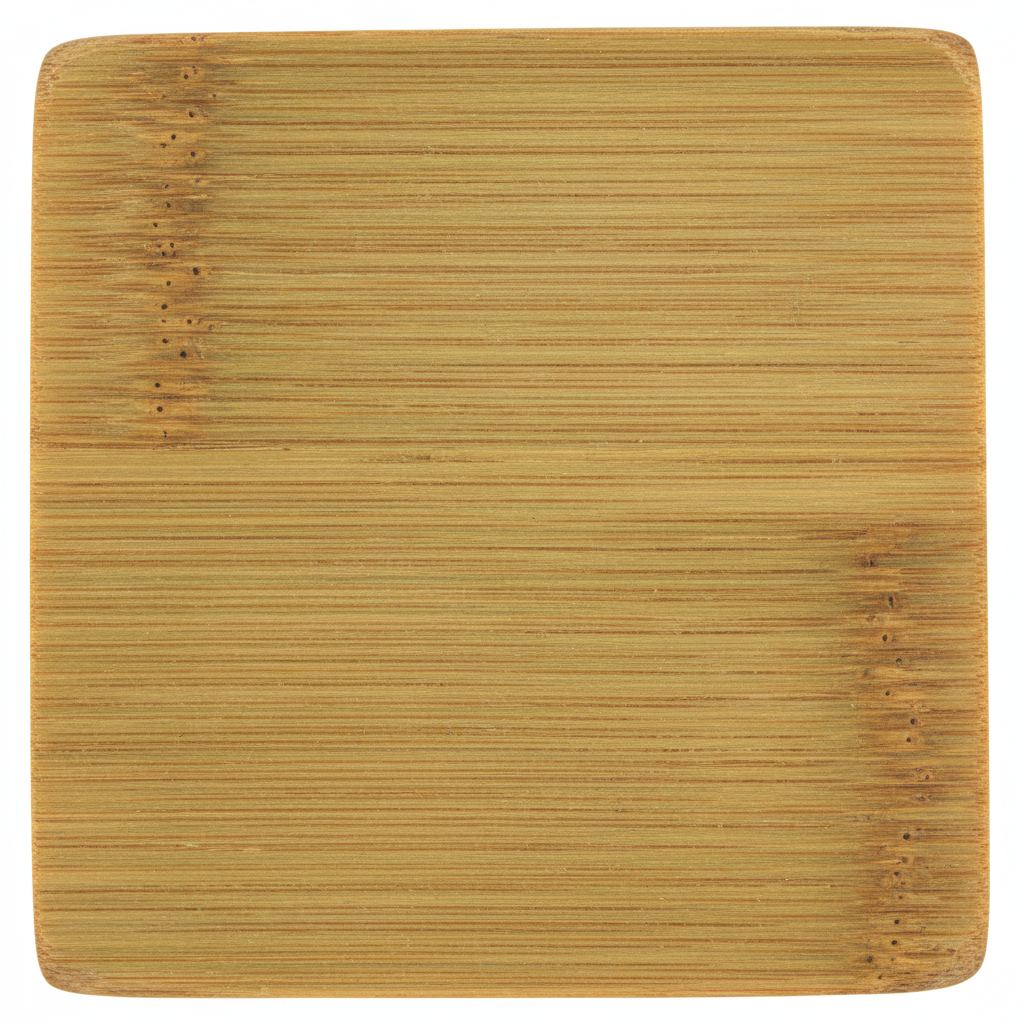
Bamboo
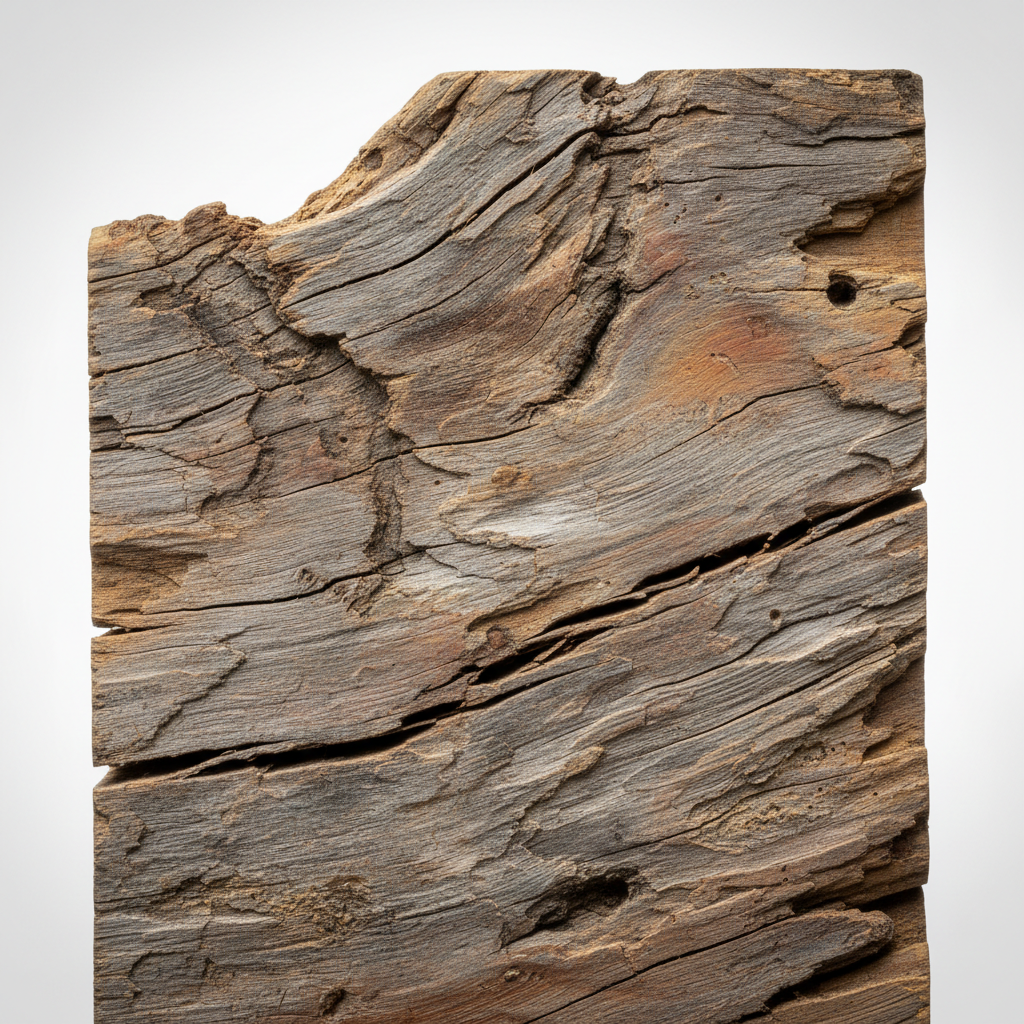
Reclaimed Wood
Key Takeaways
- Eco-conscious builders face a choice between two sustainable material strategies: bamboo, which grows rapidly and renewably, and reclaimed wood, which repurposes existing timber.
- Both reduce environmental impact but through different mechanisms.
- This comparison examines sustainability credentials, practical performance, and cost for green building projects.
- Both are excellent sustainable choices, but they serve different needs.
- Bamboo is the practical sustainable option for large-scale projects requiring consistency and availability.
| Property | Bamboo | Reclaimed Wood |
|---|---|---|
| Sustainability Model | Rapidly renewable — 3-5 year harvest | Repurposes existing wood — zero new harvest |
| Carbon Footprint | Low — fast growth sequesters carbon | Very low — extends carbon storage |
| Avg Cost (Sq Ft, Flooring) | $3–7 | $8–20+ |
| Consistency | Very uniform | Variable — each piece unique |
| Availability | Widely available | Limited and inconsistent |
| Hardness | 1000–5000 lbf (varies by type) | Varies by source species |
Bamboo
Pros
- Extremely fast-growing and renewable — harvest every 3-5 years. Consistent quality and appearance. Available in large quantities. Strand-woven bamboo is extremely hard and durable.
Cons
- Often shipped from Asia — significant transport carbon. Adhesive-heavy manufacturing process. Quality varies dramatically between manufacturers. Not a local material for most North American projects.
Reclaimed Wood
Pros
- Zero new resource consumption. Unique character with patina and history. Often harder than new wood — old-growth quality. Supports local salvage and demolition economy.
Cons
- Expensive due to labor-intensive sourcing and processing. Inconsistent availability and sizing. May contain hidden nails, lead paint, or damage. Difficult to source matching material for large projects.
Best Use Cases
Choose Bamboo when you need consistent material for a large project, want proven hardness for flooring, or need reliable supply in significant quantities. Choose Reclaimed Wood for accent walls, feature pieces, and projects where unique character and storytelling matter, and where variable sizing is acceptable.
Verdict
Both are excellent sustainable choices, but they serve different needs. Bamboo is the practical sustainable option for large-scale projects requiring consistency and availability. Reclaimed Wood is the ultimate low-impact choice for character-driven projects, but its cost and inconsistency limit it to accent applications for most budgets.
Frequently Asked Questions
Related Comparisons
Bamboo vs Eucalyptus
Compare bamboo and eucalyptus for outdoor furniture durability, sustainability, cost, and maintenanc
Read guideBamboo vs Hardwood
Bamboo flooring vs traditional hardwood compared on durability, cost, eco-friendliness, and style. F
Read guideBamboo vs Wire
Bamboo vs Wire shelving — compare aesthetics, strength, ventilation, and cost. Choose the best shelv
Read guide