fencing
Pine vs Cedar Fence: Budget vs Natural Protection (2026)
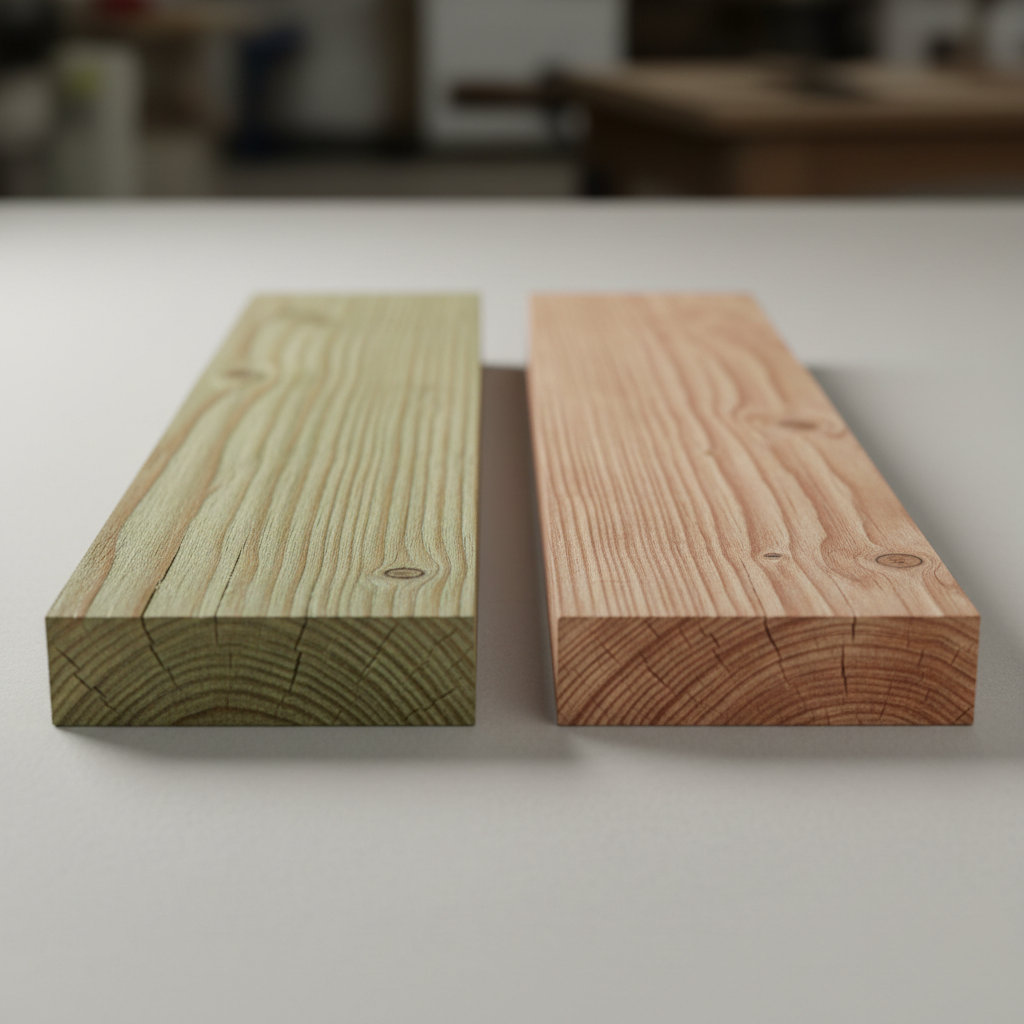
Pressure-treated pine and cedar are the most common wood fence choices. Pine offers the lowest price with chemical protection; cedar provides natural rot resistance and beauty.
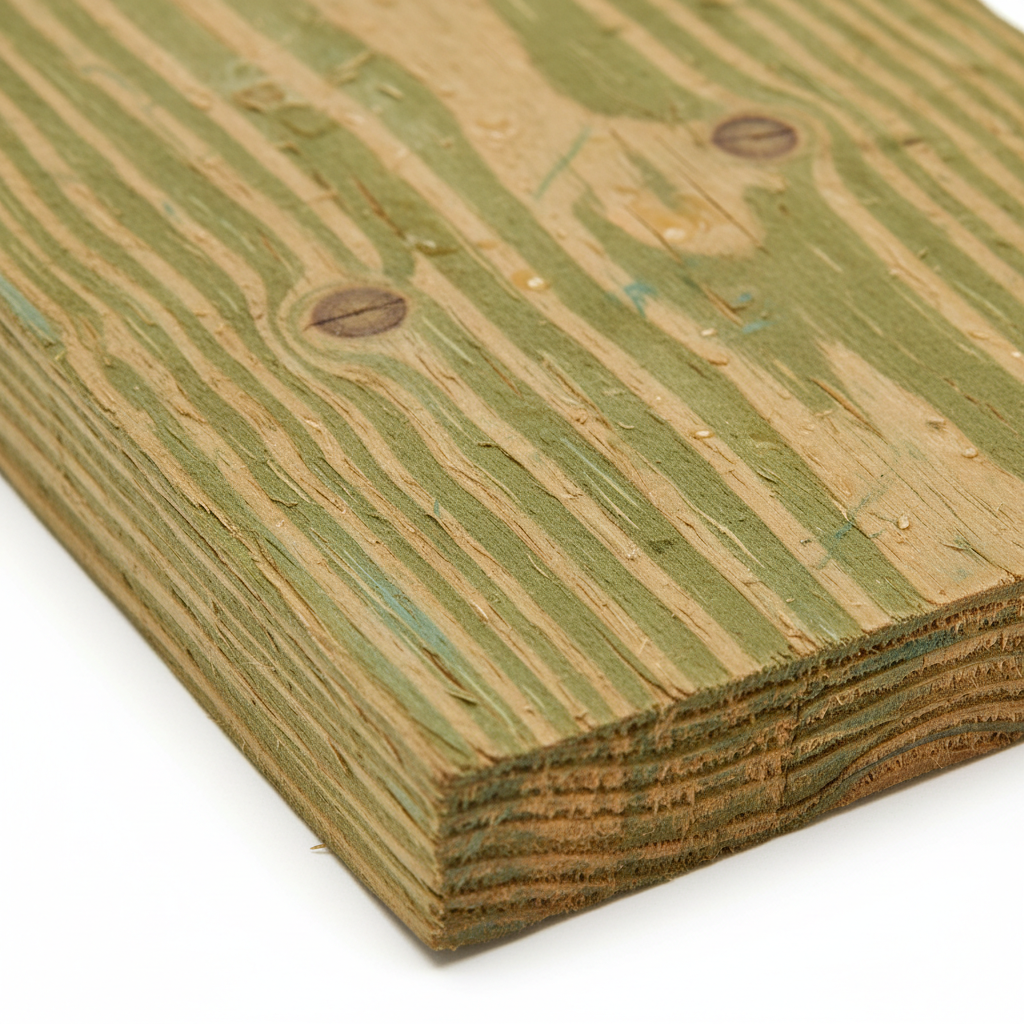
Pine (Pressure-Treated)
vs
vs
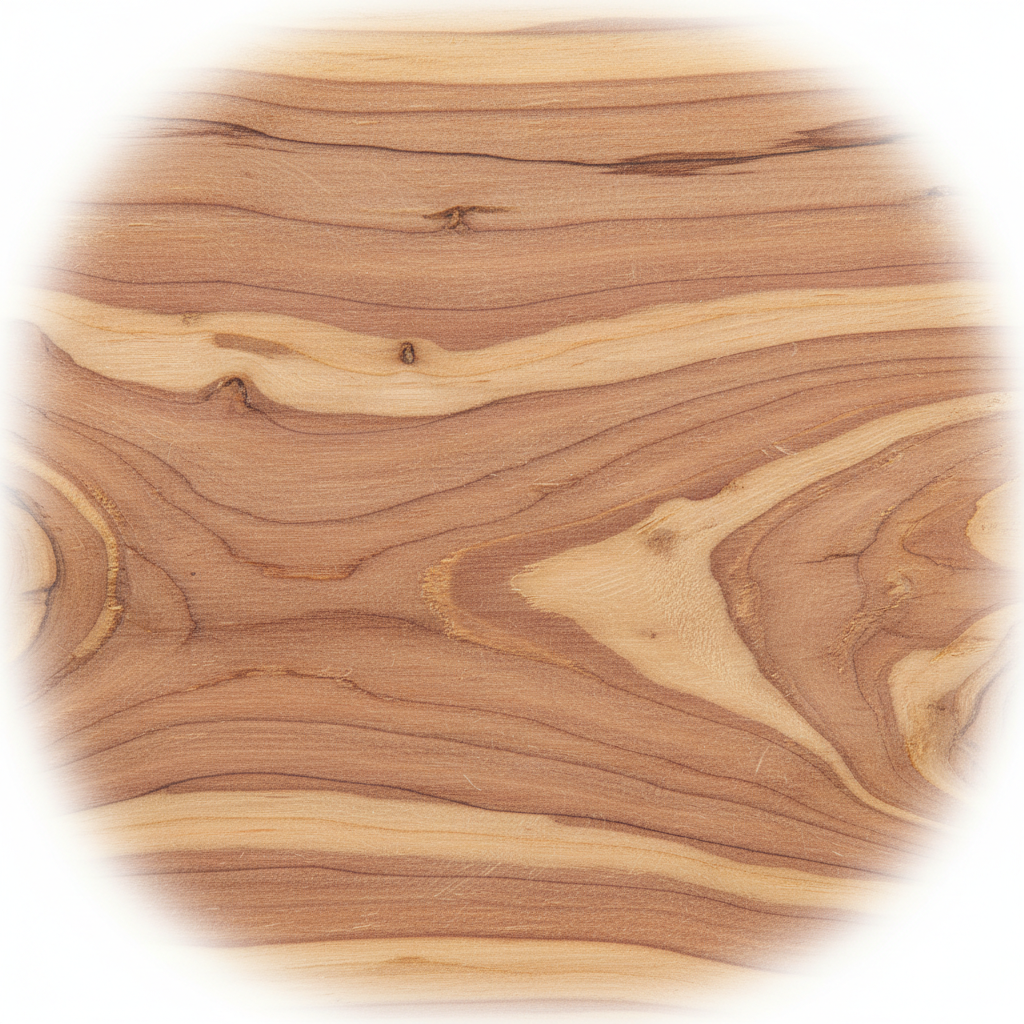
Cedar
Key Takeaways
- Pressure-treated pine and cedar are the most common wood fence choices.
- Pine offers the lowest price with chemical protection; cedar provides natural rot resistance and beauty.
- Pine offers best bang for buck.
- Cedar justifies premium for natural beauty and chemical-free wood.
- Choose PT pine for most affordable fence.
| Property | Pine (Pressure-Treated) | Cedar |
|---|---|---|
| Cost/Linear Ft | $10-$18 | $15-$30 |
| Rot Protection | Chemical | Natural oils |
| Warping Risk | Higher | Lower |
Pine (Pressure-Treated)
Pros
- 30-50% cheaper, Available everywhere, Strong structural wood, Effective chemical protection
Cons
- Greenish when new, Higher warping risk while drying, Chemical concerns, Must wait months to stain
Cedar
Pros
- Beautiful natural appearance, No chemicals, Lower warping tendency, Stain immediately
Cons
- Significantly more expensive, Softer wood dents easier, Requires sealing, Knots can fall out
Best Use Cases
Choose PT pine for most affordable fence. Choose cedar for natural attractive fence without chemicals.
Verdict
Pine offers best bang for buck. Cedar justifies premium for natural beauty and chemical-free wood.
Frequently Asked Questions
If appearance matters yes. Both last about the same but cedar looks better from day one.
PT pine is saturated with preservative solution and warps as it dries over 3-6 months.
After drying 3-6 months, cedar-toned stain mimics cedar's color but not grain.
Related Comparisons
fencing
Cedar vs Pressure-Treated Pine
Cedar vs pressure-treated pine for fencing compared on cost, lifespan, maintenance, and appearance.
Read guidefencing
Aluminum vs Wrought Iron
Aluminum and wrought iron fences look similar but differ in cost, weight, and maintenance. Compare b
Read guidefencing
Cedar vs Redwood
Cedar vs redwood for fencing — compare rot resistance, cost, availability, and appearance to choose
Read guide