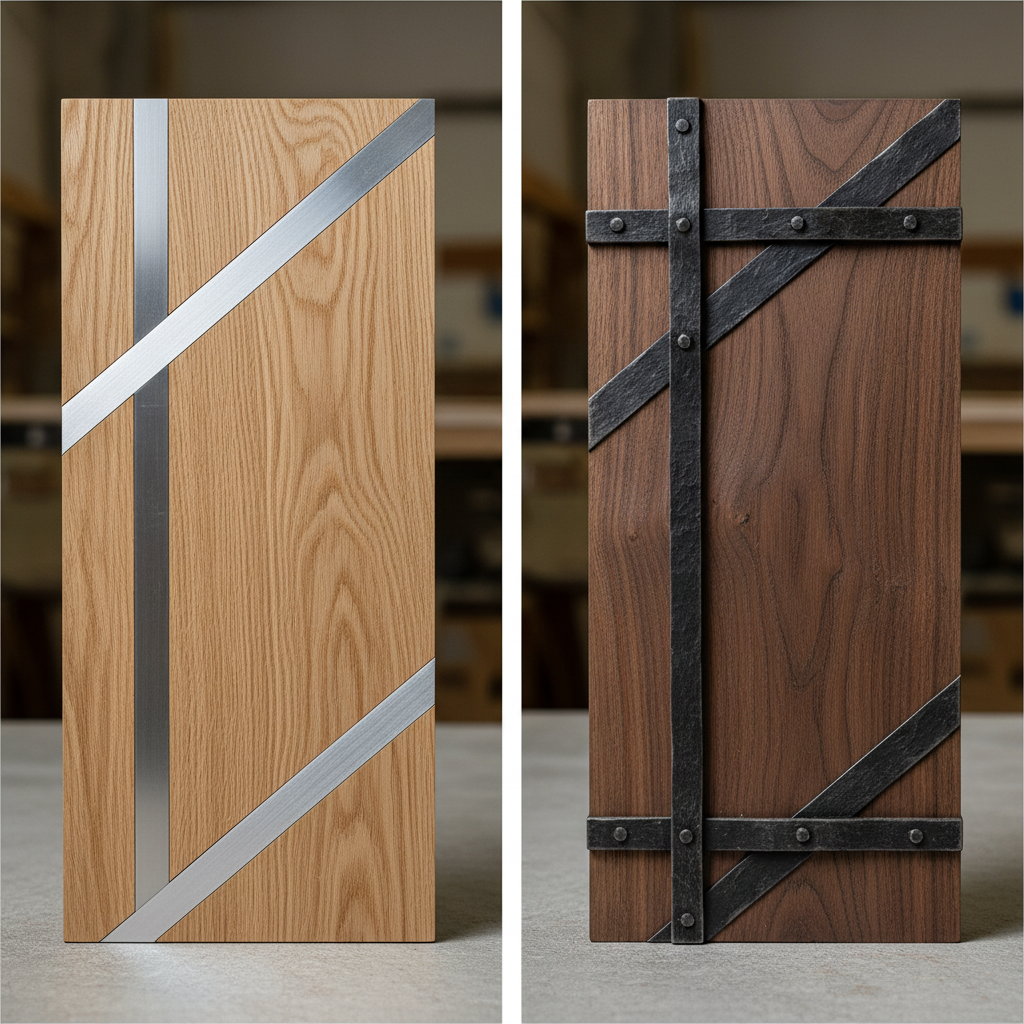
Aluminum vs Wrought Iron Fence: Style & Durability (2026)
Aluminum and wrought iron both offer elegant ornamental styling but differ significantly in cost, maintenance, and durability. Aluminum is lighter and rust-proof; wrought iron is heavier and more secure.
Aluminum
Wrought Iron
Key Takeaways
- Aluminum and wrought iron both offer elegant ornamental styling but differ significantly in cost, maintenance, and durability.
- Aluminum is lighter and rust-proof; wrought iron is heavier and more secure.
- Aluminum is practical for most homeowners.
- Wrought iron is justified for security-critical and luxury properties.
- Choose aluminum for decorative fencing with zero maintenance.
| Property | Aluminum | Wrought Iron |
|---|---|---|
| Cost/Linear Ft | $25-$45 | $30-$75 |
| Lifespan | 30-50 yrs | 50-100 yrs |
| Rust | Rust-proof | Requires treatment |
Aluminum
Pros
- Rust-proof forever, Lightweight easy install, More affordable, Many color options
Cons
- Not as strong or secure, Can bend on impact, Less premium appearance
Wrought Iron
Pros
- Extremely strong and secure, Classic prestigious look, Can last a century, Excellent security
Cons
- Susceptible to rust, Much more expensive, Very heavy needs professional install, Ongoing maintenance
Best Use Cases
Choose aluminum for decorative fencing with zero maintenance. Choose wrought iron for maximum security and estate-style appearance.
Verdict
Aluminum is practical for most homeowners. Wrought iron is justified for security-critical and luxury properties.
Frequently Asked Questions
Related Comparisons
Bamboo vs Cedar
Compare bamboo and cedar fencing for cost, durability, appearance, and sustainability. Discover whic
Read guideCedar vs Redwood
Cedar vs redwood for fencing — compare rot resistance, cost, availability, and appearance to choose
Read guideCedar vs Pressure-Treated Pine
Cedar vs pressure-treated pine for fencing compared on cost, lifespan, maintenance, and appearance.
Read guide