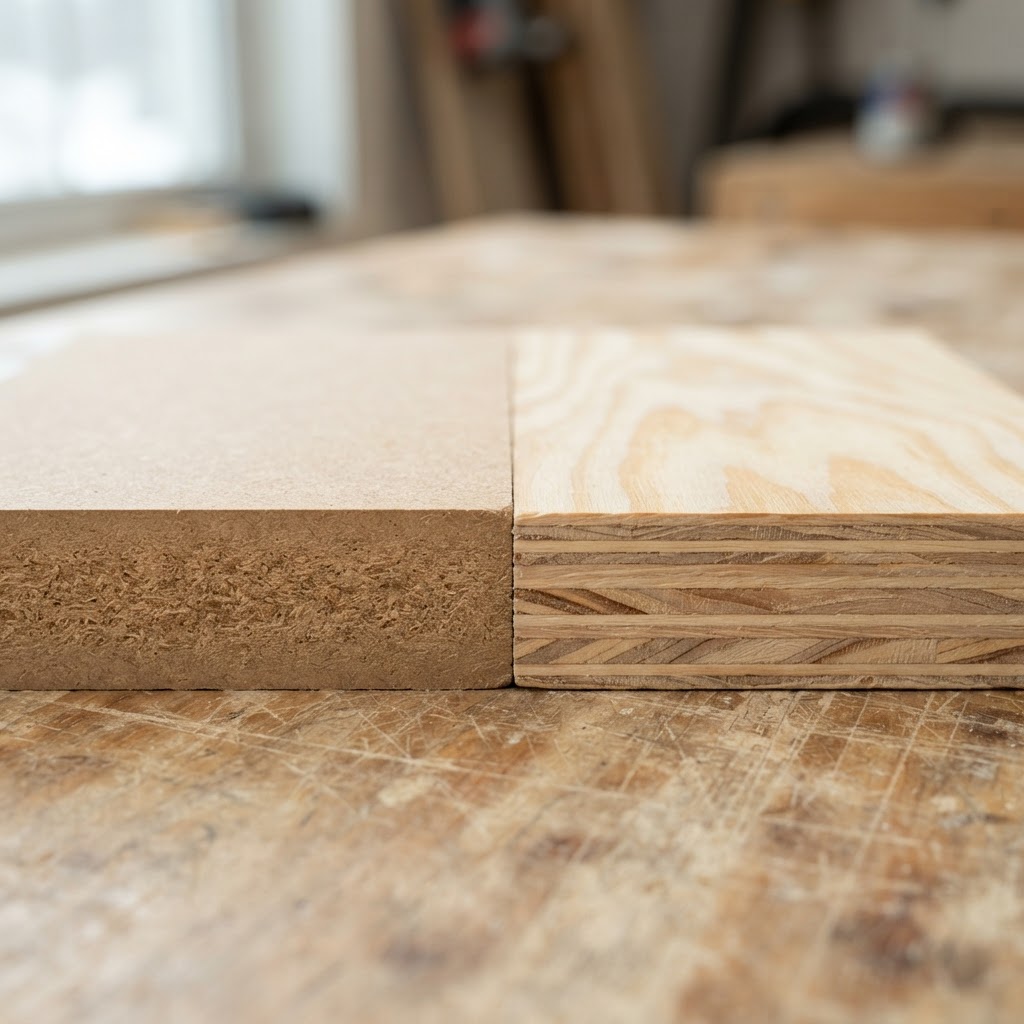
MDF vs Plywood Workbench Tops: 2026 Complete Comparison (2026)
For a budget-friendly or assembly-table workbench, MDF and plywood are popular engineered alternatives to solid hardwood. MDF offers dead-flat surfaces perfect for assembly work, while plywood provides superior strength and fastener holding. This comparison helps you choose the right sheet good for your shop bench build.
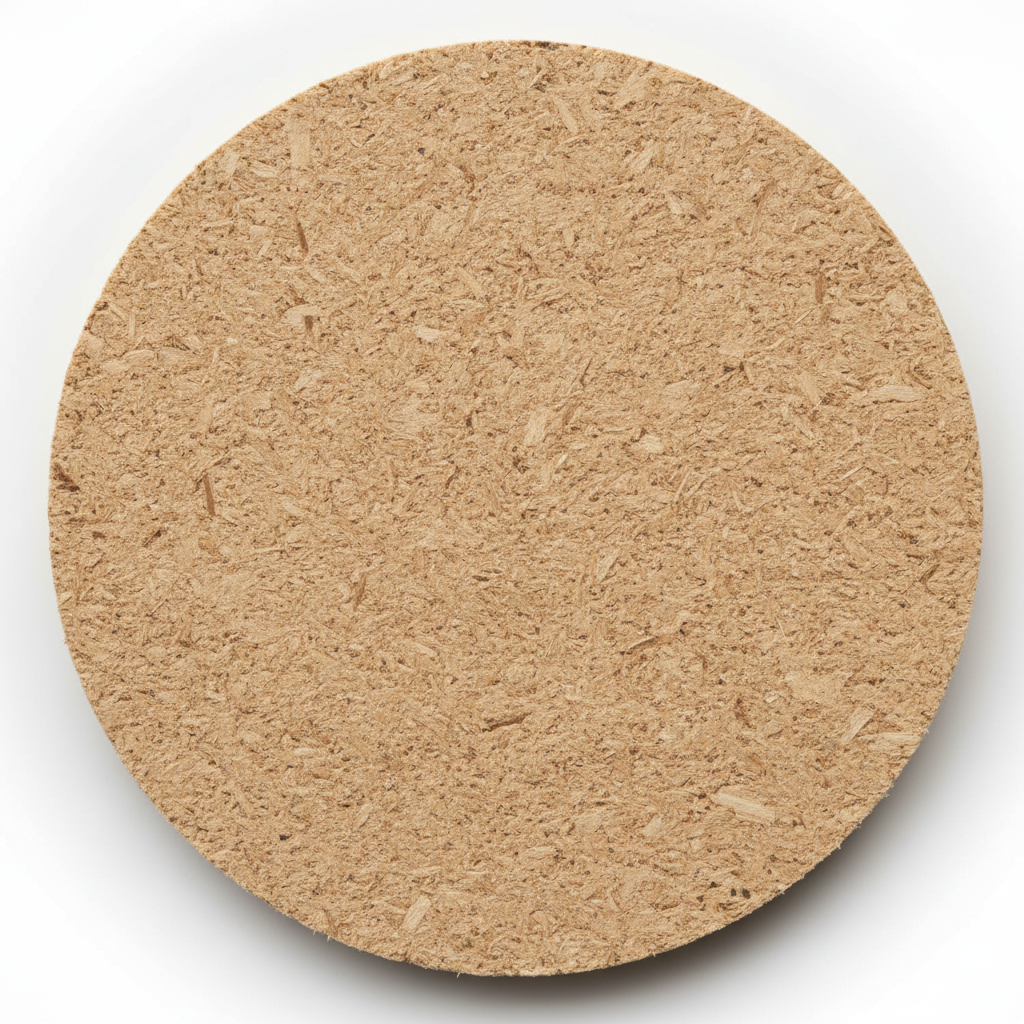
MDF
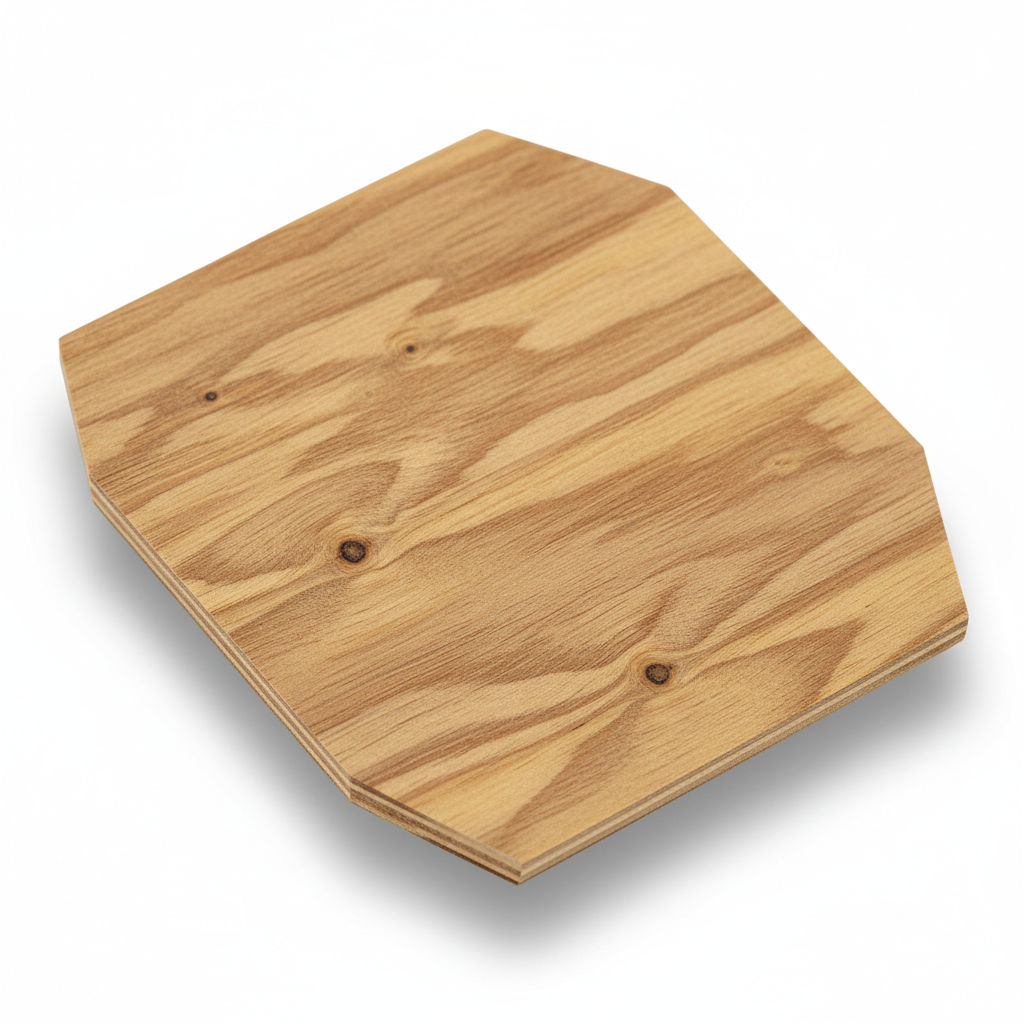
Plywood
Key Takeaways
- For a budget-friendly or assembly-table workbench, MDF and plywood are popular engineered alternatives to solid hardwood.
- MDF offers dead-flat surfaces perfect for assembly work, while plywood provides superior strength and fastener holding.
- This comparison helps you choose the right sheet good for your shop bench build.
- Plywood is the better all-around choice for a shop workbench top — it is stronger, lighter, holds fasteners, and handles moisture better.
- MDF excels specifically as an assembly table surface where flatness is paramount.
| Property | MDF | Plywood |
|---|---|---|
| Surface Flatness | Excellent — factory flat | Good — may have slight bow |
| Strength | Low — sags over spans | High — strong and rigid |
| Screw Holding | Poor — edges crumble | Good — holds fasteners well |
| Moisture Resistance | Very poor — swells permanently | Moderate — exterior grades available |
| Weight (3/4 In 4x8) | ~97 lbs | ~70 lbs |
| Cost (3/4 In Sheet) | $30–45 | $45–75 |
MDF
Pros
- Perfectly flat surface out of the box. Cheapest option for a large work surface. Smooth surface great for assembly and glue-ups. Easy to replace when worn.
Cons
- Swells and disintegrates when wet. Poor screw-holding — edges break apart. Heavy and sags without adequate support. Produces harmful dust when cut.
Plywood
Pros
- Strong and rigid — resists sagging over spans. Holds screws and fasteners reliably. Available in moisture-resistant exterior grades. Lighter than MDF at equal thickness.
Cons
- Surface is not as flat as MDF. More expensive per sheet. Voids in cheaper grades weaken edges. Surface can splinter.
Best Use Cases
Choose MDF for a dedicated assembly table or outfeed table where a dead-flat, replaceable surface matters most and moisture is not a concern. Choose Plywood for a general-purpose shop workbench that needs to hold vises, clamps, and dog holes, and where occasional spills are likely.
Verdict
Plywood is the better all-around choice for a shop workbench top — it is stronger, lighter, holds fasteners, and handles moisture better. MDF excels specifically as an assembly table surface where flatness is paramount. Many shops use both: a plywood bench for building and an MDF top for assembly and finishing.