Ipe vs Composite Decking: Compare the Whole Project
By Lumberama · Updated 11/1/2026 · Source-based editorial guidance; no individual expert review claimed. Editorial standards
Compare a specified Ipe board with a named composite product line, not a generic material label. Board profile, usable lengths, fastening system, installation conditions and delivery requirements can change the result. This guide does not assume that either material is cheaper, cooler, safer or longer-lived in every project.
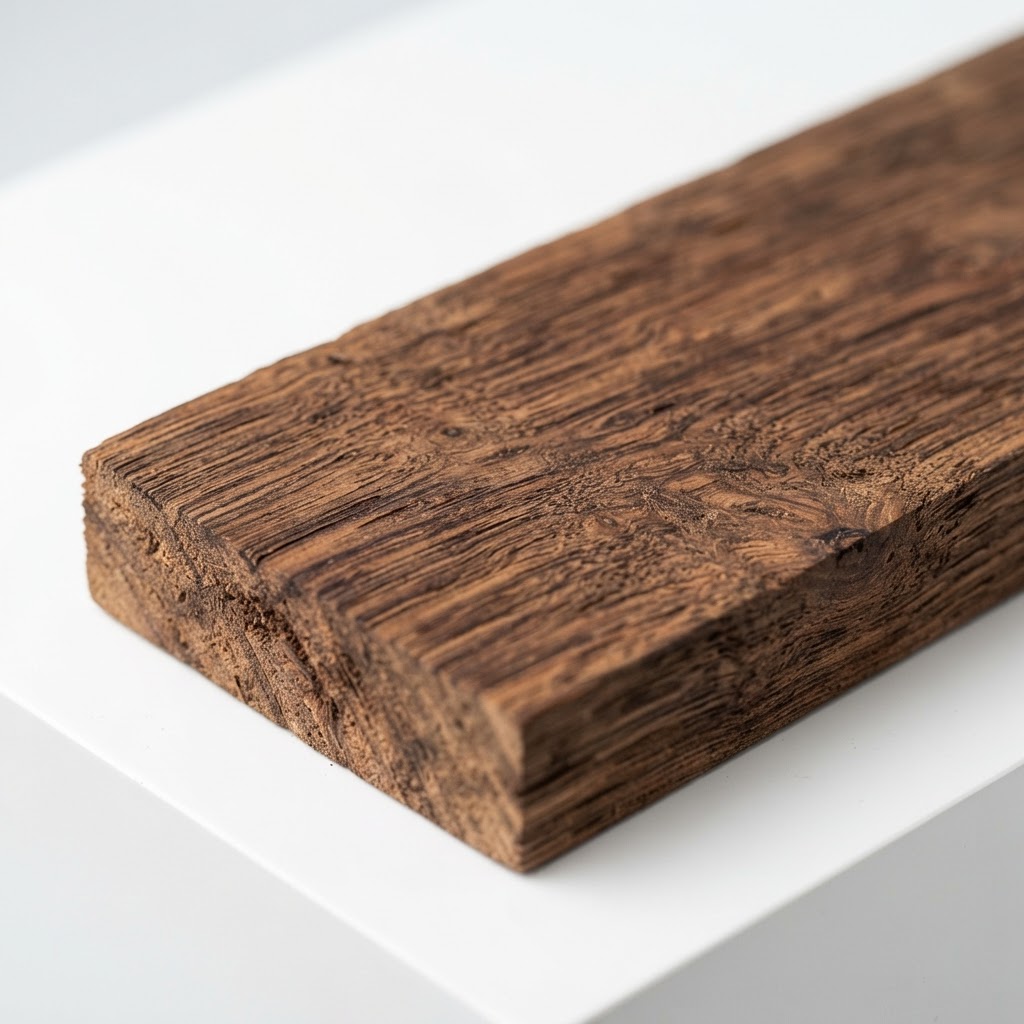
Ipe
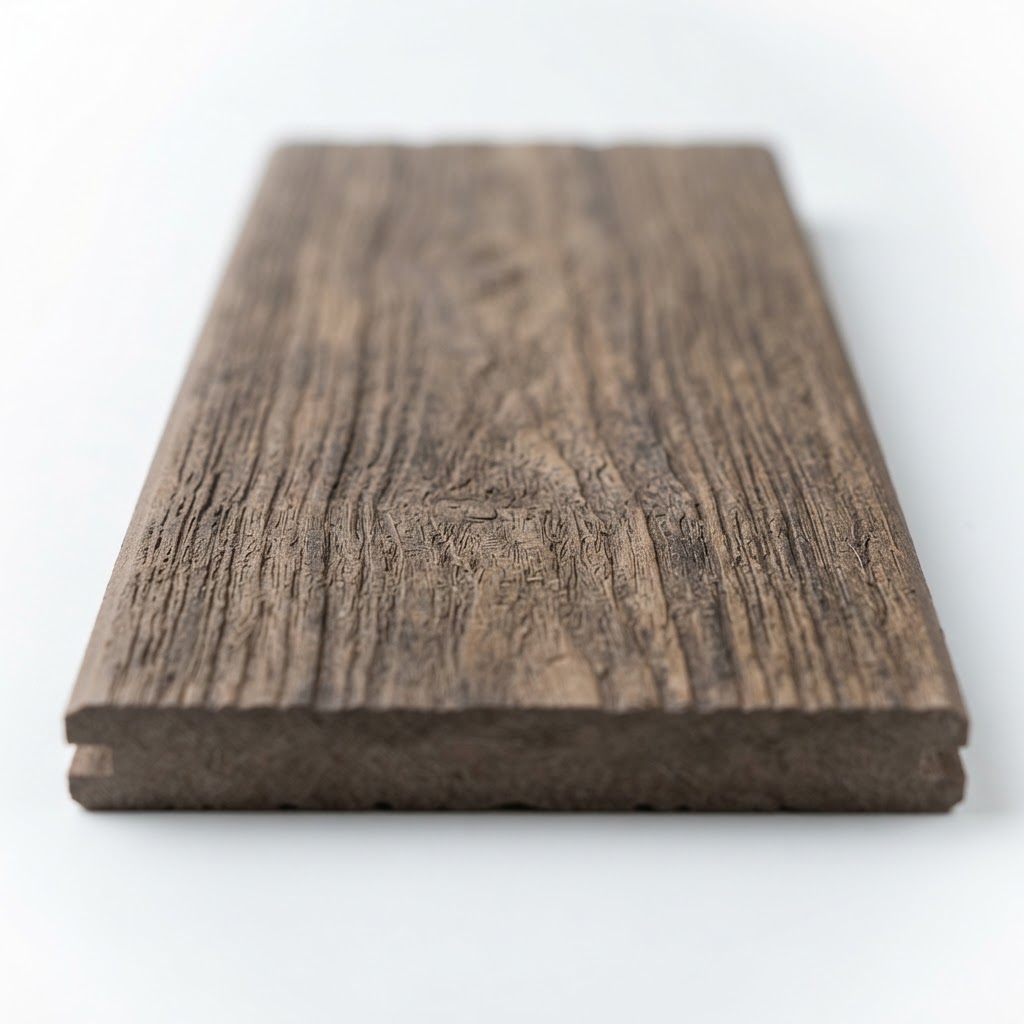
Composite decking
Key Takeaways
- Compare a specified Ipe board with a named composite product line, not a generic material label.
- Board profile, usable lengths, fastening system, installation conditions and delivery requirements can change the result.
- This guide does not assume that either material is cheaper, cooler, safer or longer-lived in every project.
- There is no universal winner.
- Compare purchased board quantities including an explicit waste allowance, required fasteners and trim, delivery, unloading, taxes and any milling.
| Property | Ipe | Composite decking |
|---|---|---|
| Material Identity | Natural hardwood sold under the Ipe trade name; confirm supplier identification and grade. | Manufactured decking; confirm the exact brand, product line, composition and profile. |
| Dimensions And Layout | Specify actual thickness, face width, lengths and groove profile. | Use the product line’s stated dimensions and available lengths. |
| Installed Appearance | Natural grain and color variation; request representative batch samples. | Product-specific colors and textures; compare samples and replacement-board availability. |
| Maintenance | Cleaning and a finish plan appropriate to the desired appearance and exposure. | Follow the named product’s care instructions; low maintenance does not mean no maintenance. |
| Framing And Fasteners | Verify board span, pre-drilling, fastening and ventilation with the supplier’s instructions. | Follow product-specific spans, temperature-related gaps and approved fastening systems. |
| Cost Comparison | Obtain a current quote with grade, dimensions, quantity, freight and extras itemized. | Obtain a current quote for the exact product line with trim, fasteners, freight and extras itemized. |
| Performance Claims | Request evidence for the supplied product and assembly; a species name is not a fire or structural approval. | Review current product documentation, warranty exclusions and assembly requirements. |
Ipe
Pros
- Natural grain variation for projects that prioritize real wood.
- Can be specified by grade, dimensions and machining requirements.
Cons
- Requires a species- and product-appropriate fastening and moisture plan.
- Appearance varies across boards; agree on selection criteria before ordering.
Composite decking
Pros
- Named product lines make color, profile and matching trim choices explicit.
- Manufacturers publish installation and care information for their systems.
Cons
- Requirements and warranties differ among product lines.
- Substituting clips, gaps or framing details can conflict with the product instructions.
Best Use Cases
Start with Ipe when natural wood appearance is a project requirement and the crew can follow its installation and care requirements. Start with composite when a specified manufactured finish and coordinated product system fit the brief. Compare physical samples and equivalent written quotes before selecting either.
Verdict
There is no universal winner. Compare purchased board quantities including an explicit waste allowance, required fasteners and trim, delivery, unloading, taxes and any milling. Separate the initial material budget from a documented maintenance scenario. Do not equate a warranty term with service life or claim a return on investment without evidence.
Frequently Asked Questions
Related Comparisons
Cedar vs Pine
Cedar vs pine for outdoor projects compared on rot resistance, cost, durability, and maintenance. Le
Read guideCedar vs Pressure-Treated Pine
Cedar vs pressure-treated lumber for decking — compare cost, lifespan, maintenance, and appearance t
Read guideCedar vs Composite
Cedar vs composite decking compared on cost, maintenance, lifespan, and appearance. Find the best de
Read guideCheck the product, then prepare the request
Sources reviewed November 1, 2026. Supplier and manufacturer documents describe their own products, not every Ipe board or composite line. No affiliation is implied; confirm current instructions and quotes before ordering.
- Advantage Lumber: Ipe specifications and installation resources
- Trex: product installation, care and planning resources
A researched listing is not an enrolled supplier, an inventory match or a confirmed quote.