building_materials
Hardboard vs Plywood: When to Use Each Panel (2026)
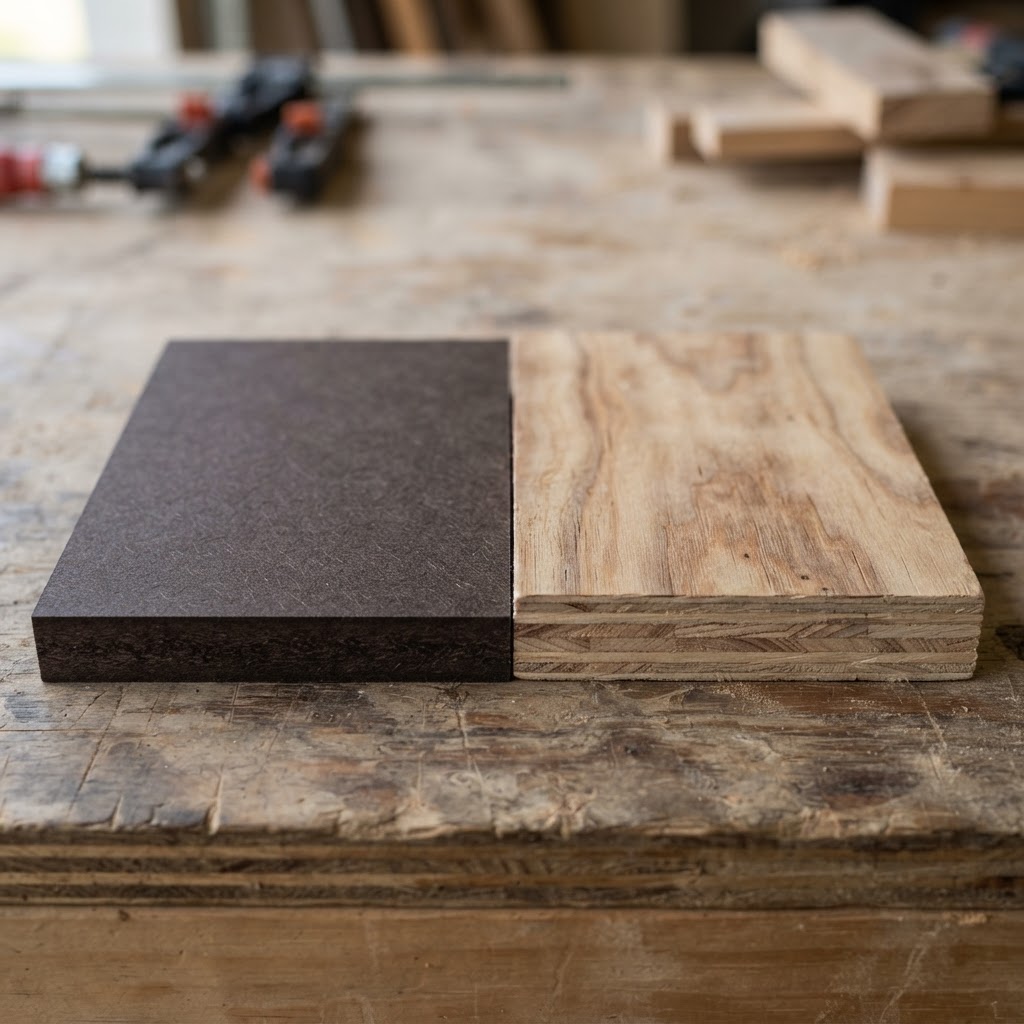
Hardboard (also called Masonite) is a thin dense panel used for specific applications. Plywood is the versatile structural panel. Understanding their roles prevents misuse.
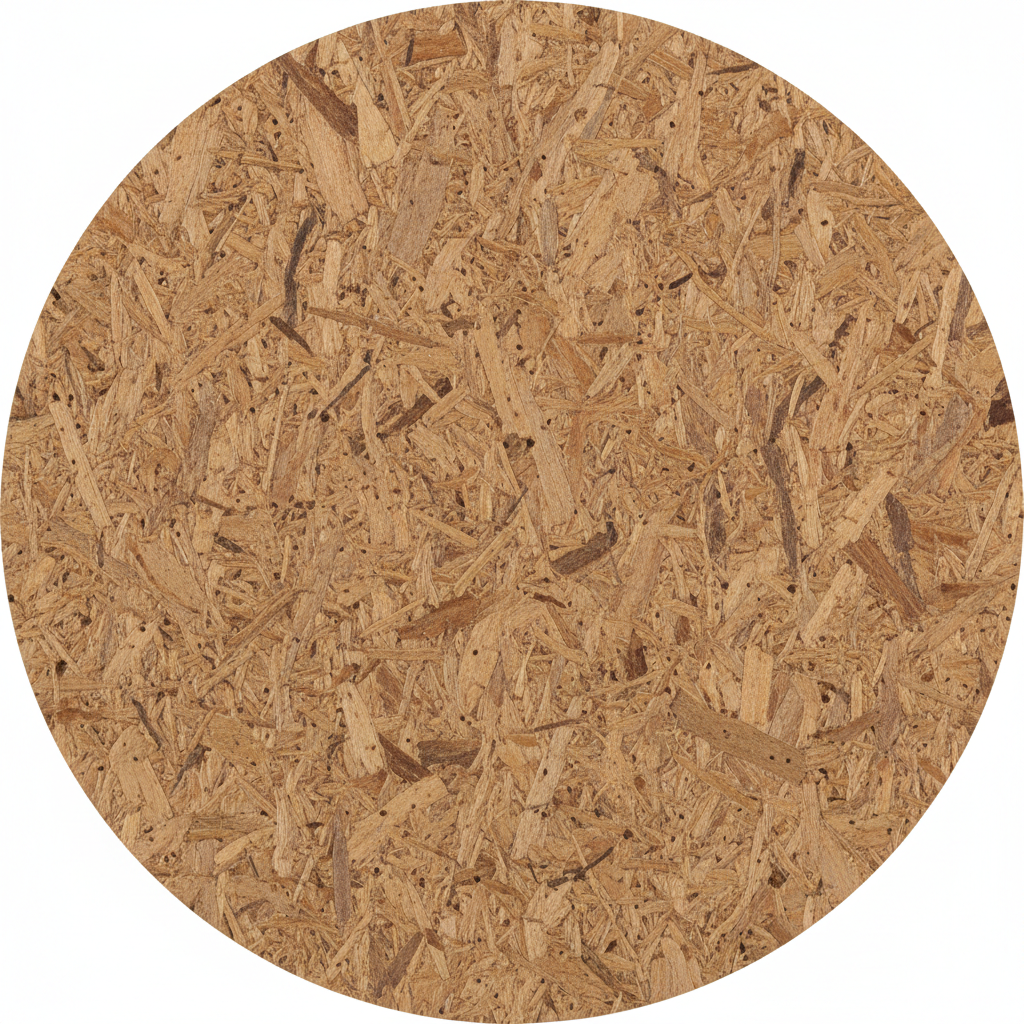
Hardboard (Masonite)
vs
vs
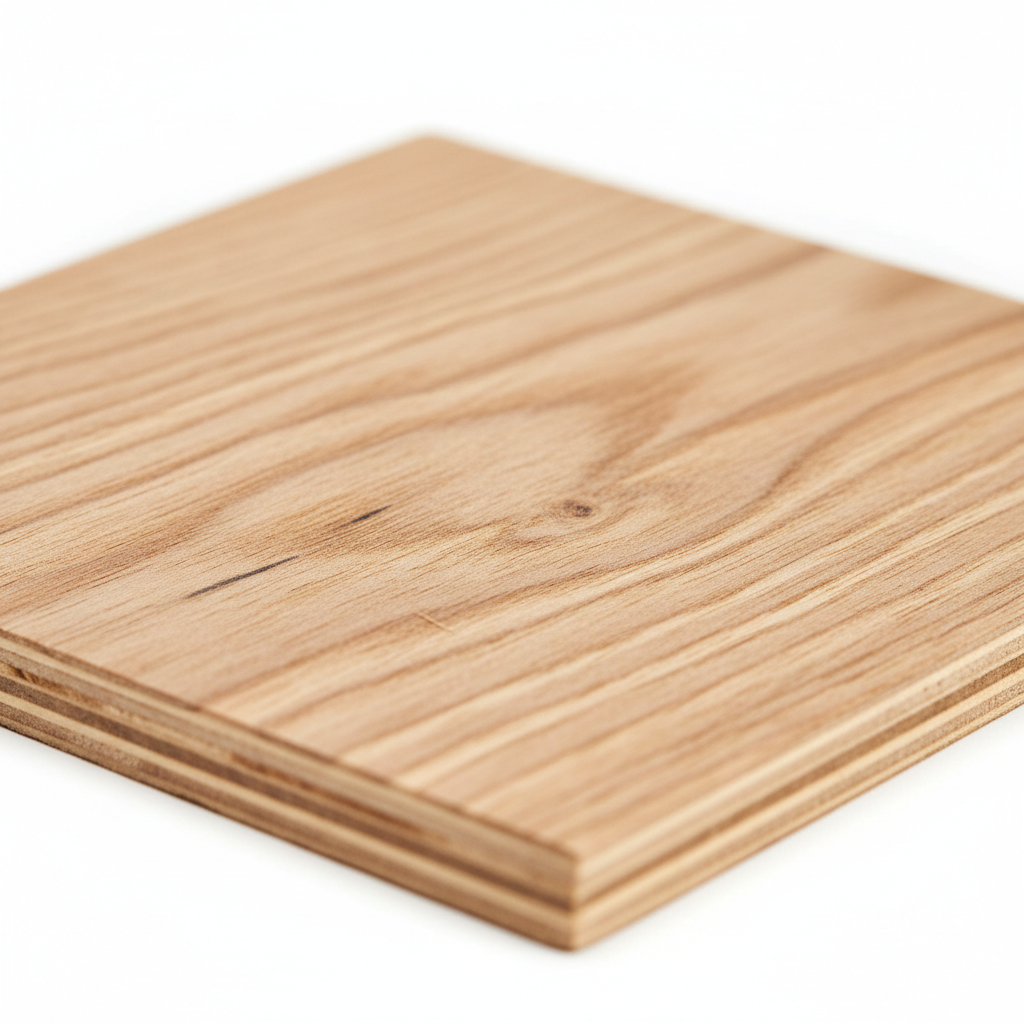
Plywood
Key Takeaways
- Hardboard (also called Masonite) is a thin dense panel used for specific applications.
- Plywood is the versatile structural panel.
- Understanding their roles prevents misuse.
- Hardboard and plywood aren't competitors.
- They serve completely different roles in construction and woodworking.
| Property | Hardboard (Masonite) | Plywood |
|---|---|---|
| Thickness | 1/8 to 1/4 inch | 1/4 to 3/4 inch |
| Strength | Good for thin panel | Excellent |
| Cost | Very low | Moderate-high |
Hardboard (Masonite)
Pros
- Very affordable, Smooth dense surface, Good for template work, Excellent for drawer bottoms and backs
Cons
- Only available thin, No structural capacity, Swells with moisture, Cannot hold fasteners well
Plywood
Pros
- Available in many thicknesses, Structural capability, Good moisture resistance, Excellent fastener holding
Cons
- Much more expensive, Heavier, Surface not as smooth, Can have voids
Best Use Cases
Choose hardboard for drawer bottoms, cabinet backs, and templates. Choose plywood for structural panels and anything requiring thickness.
Verdict
Hardboard and plywood aren't competitors. They serve completely different roles in construction and woodworking.
Frequently Asked Questions
Drawer bottoms, cabinet backs, underlayment, templates, and painting surfaces.
No. Hardboard is denser and thinner. MDF is thicker and less dense. Both are fiberboard products.
No, standard hardboard swells with moisture. Tempered hardboard has better moisture resistance.