building_materials
CDX Plywood vs OSB: Which Sheathing Should You Use? (2026)
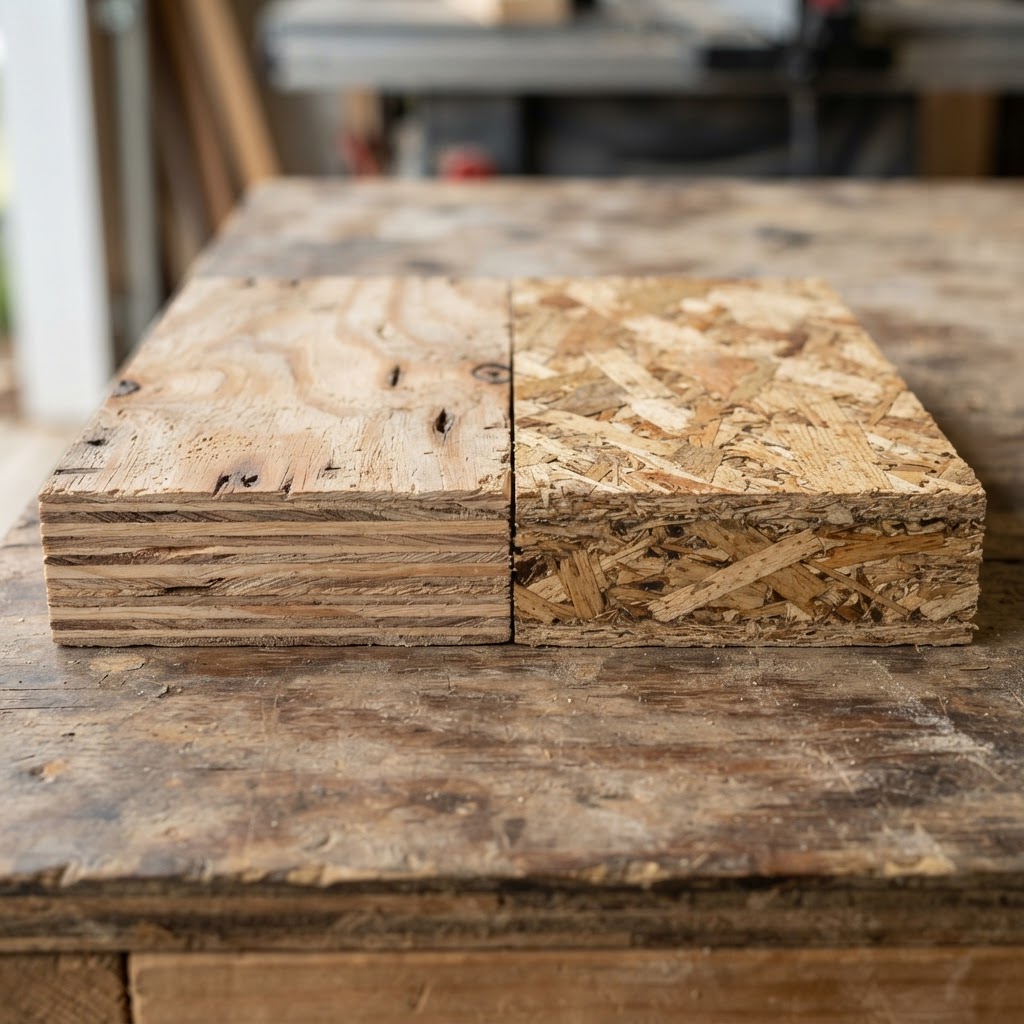
CDX plywood and OSB are both used for structural sheathing, but they handle moisture differently. CDX is an exposure-rated plywood; OSB uses oriented strand technology.
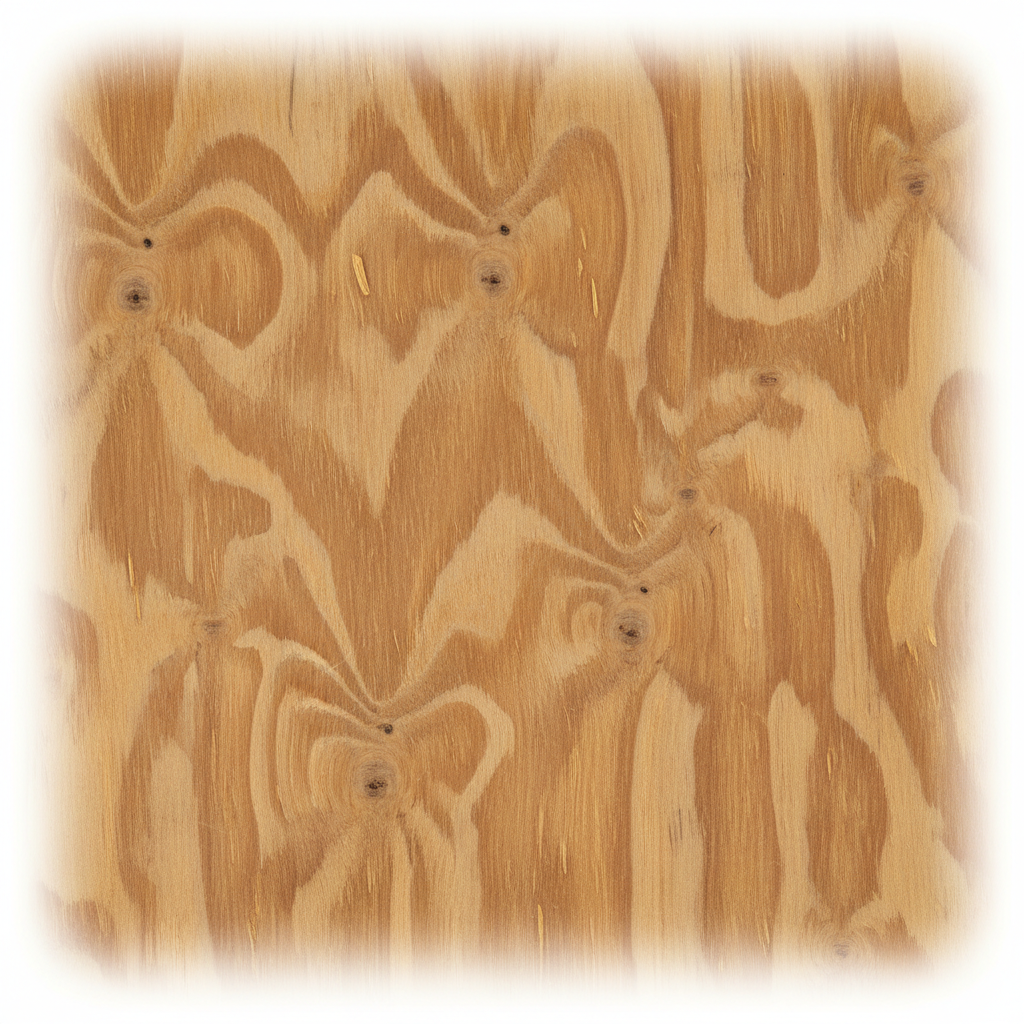
CDX Plywood
vs
vs
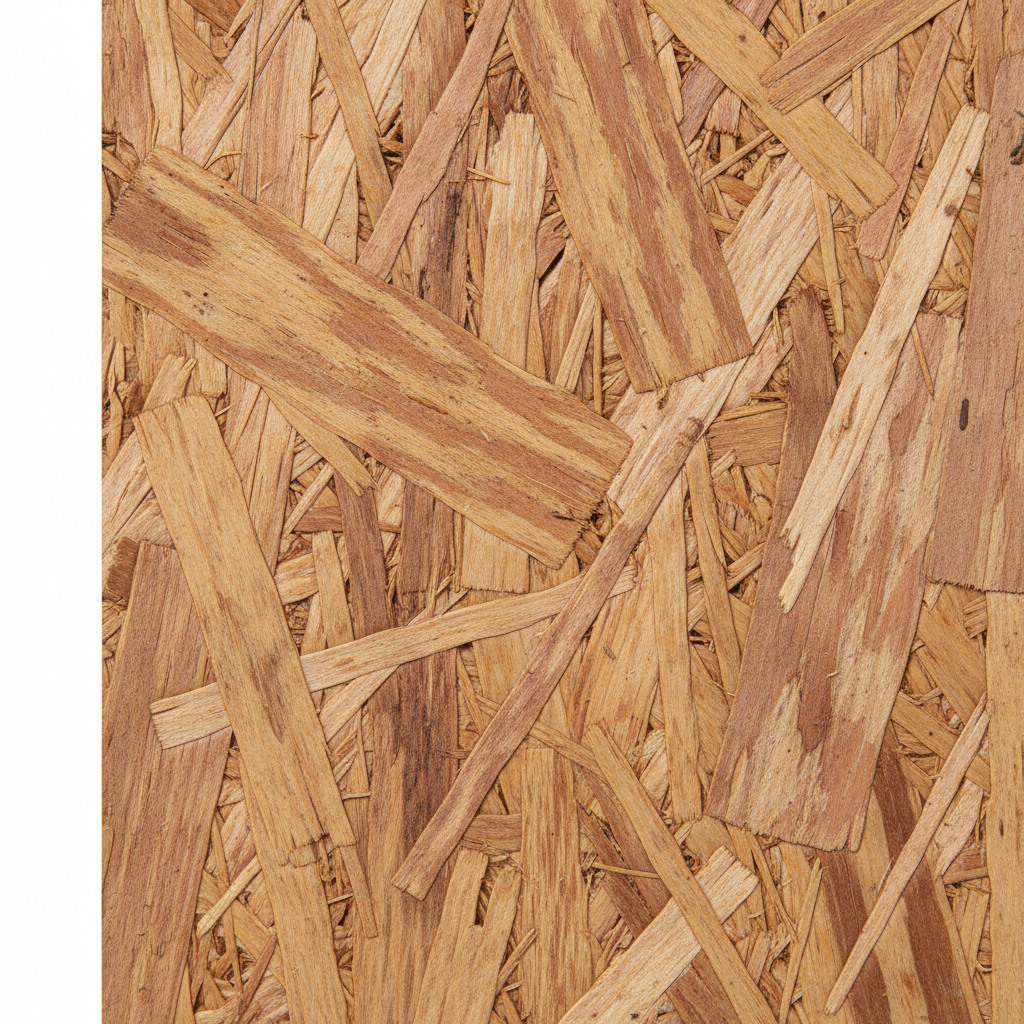
OSB
Key Takeaways
- CDX plywood and OSB are both used for structural sheathing, but they handle moisture differently.
- CDX is an exposure-rated plywood; OSB uses oriented strand technology.
- CDX handles moisture better making it ideal for roofs and subfloors.
- OSB is the budget choice for walls in dry conditions.
- Choose CDX for roof sheathing and subfloors where moisture cycling is expected.
| Property | CDX Plywood | OSB |
|---|---|---|
| Cost/4x8 Sheet | $25-$45 | $15-$30 |
| Moisture Handling | Absorbs/releases evenly | Edge swelling risk |
| Strength | Excellent | Excellent |
CDX Plywood
Pros
- Handles moisture cycles better, Doesn't swell at edges, Lighter weight, Easier to work with
Cons
- More expensive, Can have voids, Less consistent density, Fewer large sizes available
OSB
Pros
- 20-40% cheaper, Consistent quality no voids, Excellent shear strength, Wider panel sizes available
Cons
- Edges swell permanently when wet, Slower to dry out, Heavier, Can delaminate over time
Best Use Cases
Choose CDX for roof sheathing and subfloors where moisture cycling is expected. Choose OSB for wall sheathing and budget-sensitive dry-climate builds.
Verdict
CDX handles moisture better making it ideal for roofs and subfloors. OSB is the budget choice for walls in dry conditions.
Frequently Asked Questions
C and D refer to veneer face grades. X means the adhesive is rated for exterior exposure during construction.
Yes, OSB is code-approved for roof sheathing but CDX handles rain delays better during construction.
CDX plywood is generally preferred because it handles moisture better and holds nails more securely.