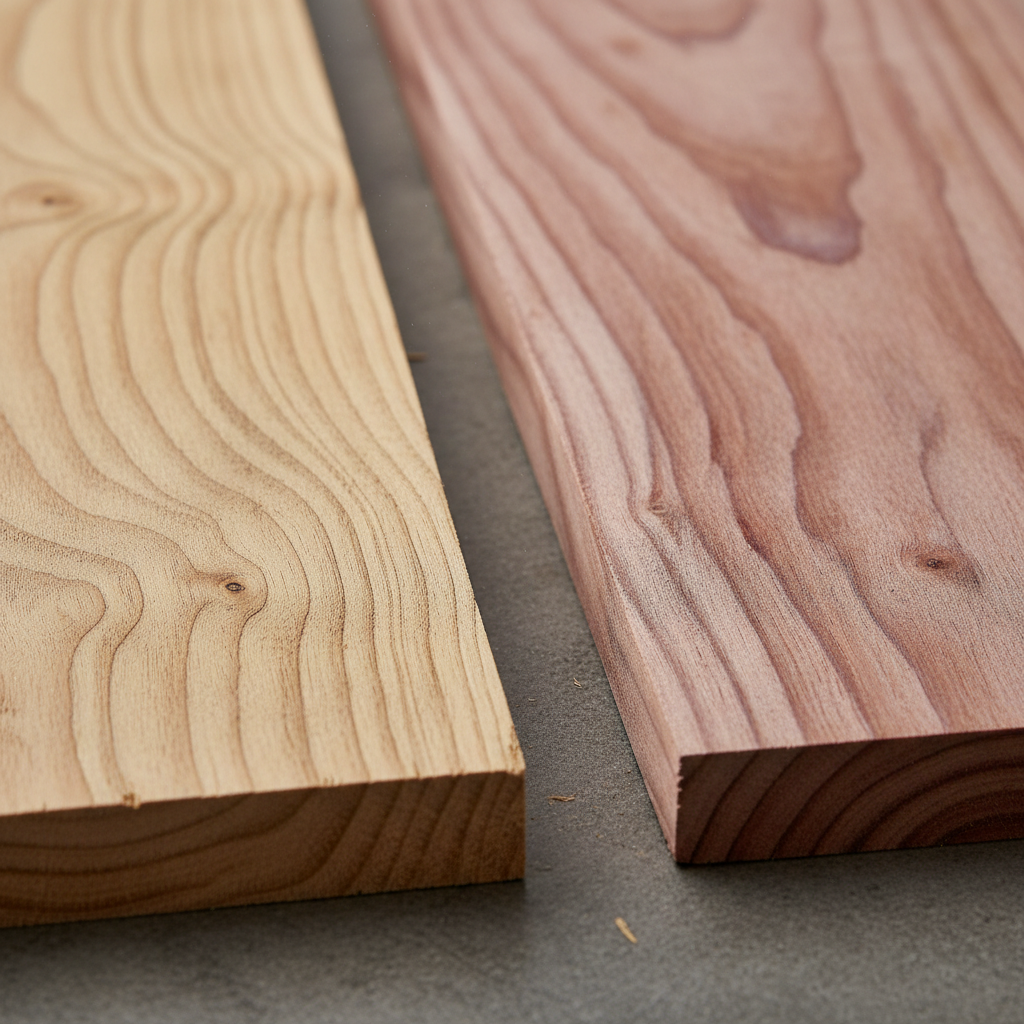
fencing
Cypress vs Cedar Fence: Which Wood Resists Rot Better? (2026)
Cypress and cedar are both naturally rot-resistant softwoods ideal for fencing. Cedar is the default nationwide, while cypress dominates the southeastern US.
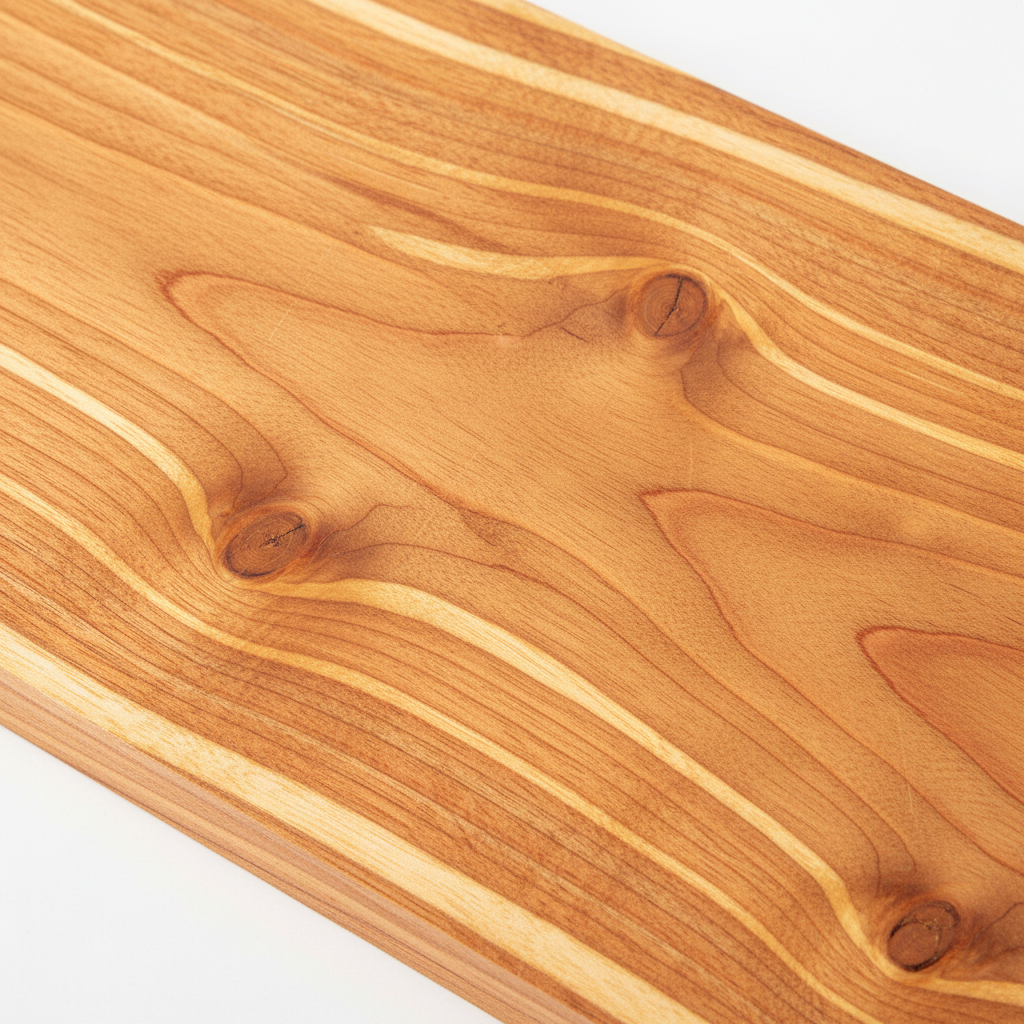
Cypress
vs
vs
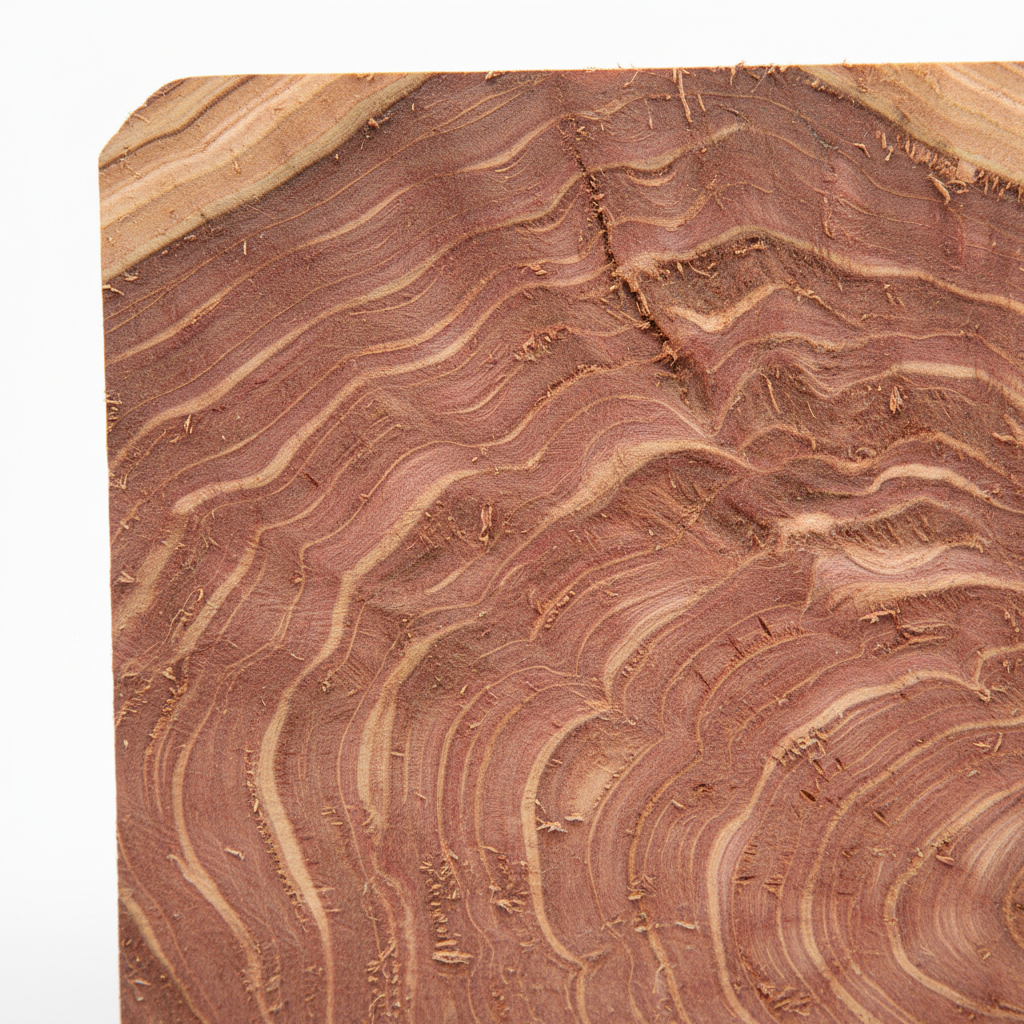
Cedar
Key Takeaways
- Cypress and cedar are both naturally rot-resistant softwoods ideal for fencing.
- Cedar is the default nationwide, while cypress dominates the southeastern US.
- In the Southeast, cypress is often smarter and cheaper.
- Elsewhere, cedar is the go-to natural fence wood.
- Choose cypress in the Southeast for maximum termite resistance.
| Property | Cypress | Cedar |
|---|---|---|
| Cost/Board Ft | $2-$4 | $3-$6 |
| Termite Resistance | Excellent | Good |
| Janka | 510 lbf | 350 lbf |
Cypress
Pros
- Excellent termite resistance, Harder than cedar, Often cheaper in Southeast, Outstanding rot resistance
Cons
- Hard to find outside Southeast, Lighter color less dramatic, Declining old-growth quality, Knotty appearance
Cedar
Pros
- Available everywhere, Beautiful warm color, Pleasant aroma, Proven track record
Cons
- Softer than cypress, More expensive in SE states, Requires sealing for color, Can split
Best Use Cases
Choose cypress in the Southeast for maximum termite resistance. Choose cedar elsewhere for availability and warm color.
Verdict
In the Southeast, cypress is often smarter and cheaper. Elsewhere, cedar is the go-to natural fence wood.
Frequently Asked Questions
Yes, cypress contains cypressene making it exceptionally termite-resistant.
Possible through specialty suppliers but shipping costs eliminate price advantage.
Both last 15-20+ years. Cypress may edge ahead in termite-heavy regions.
Related Comparisons
fencing
Cedar vs Pressure-Treated Pine
Cedar vs pressure-treated pine for fencing compared on cost, lifespan, maintenance, and appearance.
Read guidefencing
Aluminum vs Wrought Iron
Aluminum and wrought iron fences look similar but differ in cost, weight, and maintenance. Compare b
Read guidefencing
Cedar vs Redwood
Cedar vs redwood for fencing — compare rot resistance, cost, availability, and appearance to choose
Read guide