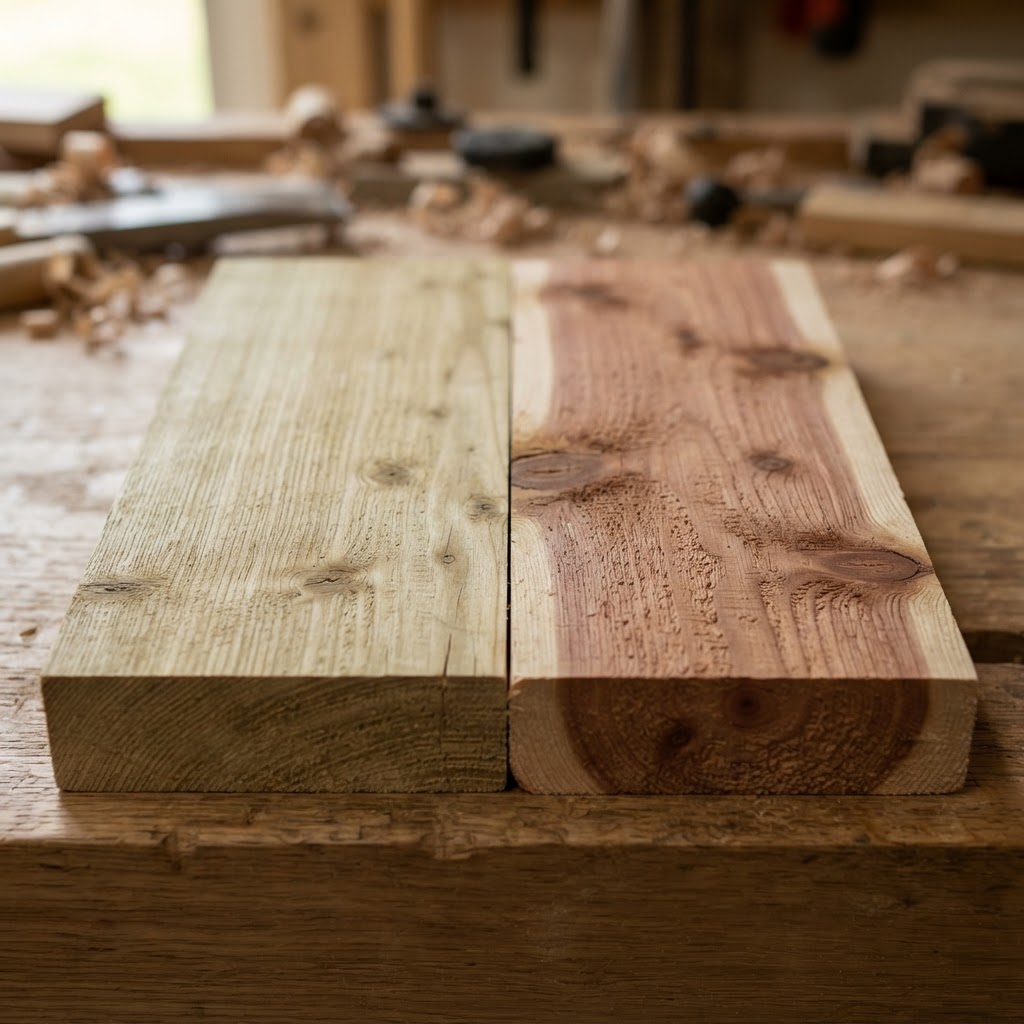
Cypress vs Cedar Lumber Quotes: Compare Grades, Profiles and Delivered Cost
By Lumberama · Updated 11/1/2026 · Source-based editorial guidance; no individual expert review claimed. Editorial standards
Use this guide when choosing between supplier offers for baldcypress and western redcedar. It focuses on purchasing specifications, usable quantities and delivered costs. Regional availability may affect the offer, but geography alone does not prove one board is more durable or better suited to the job. See the linked outdoor-performance guide for exposure and detailing considerations.
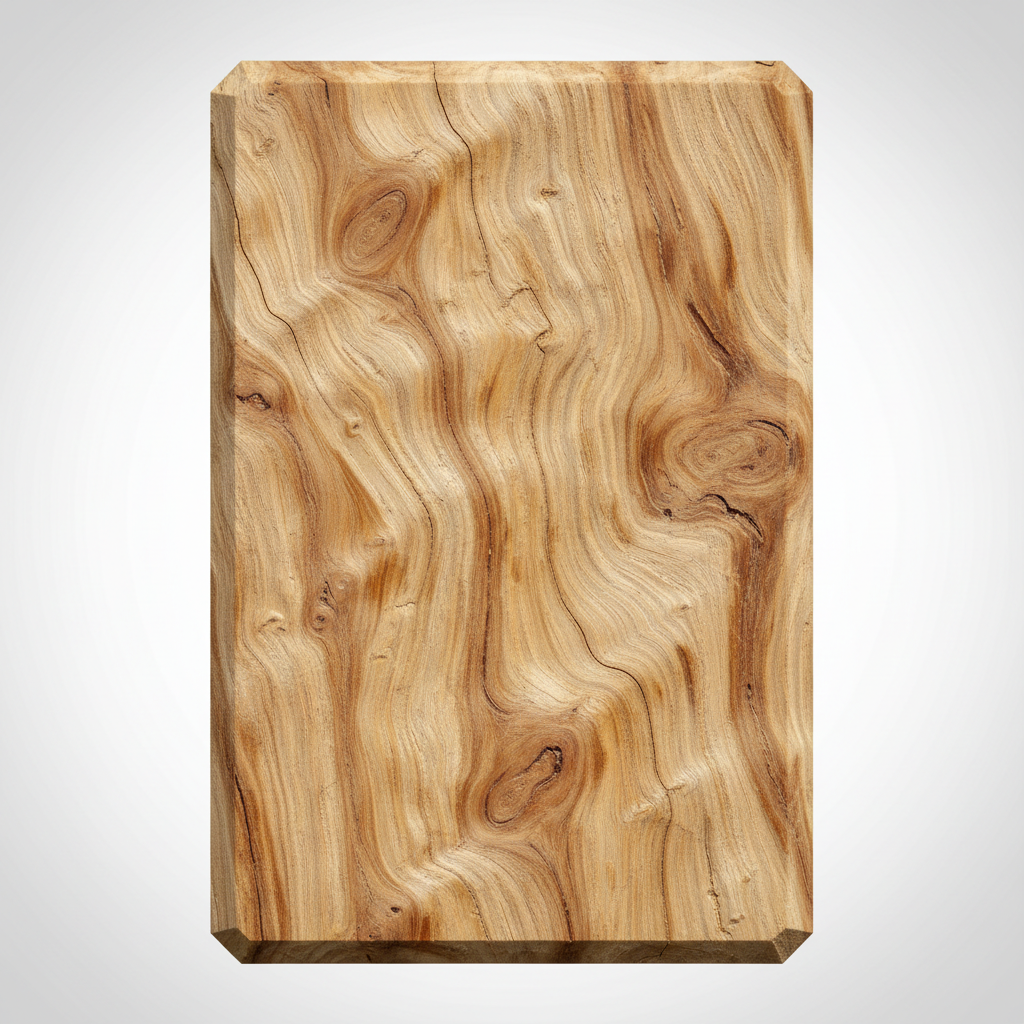
Cypress
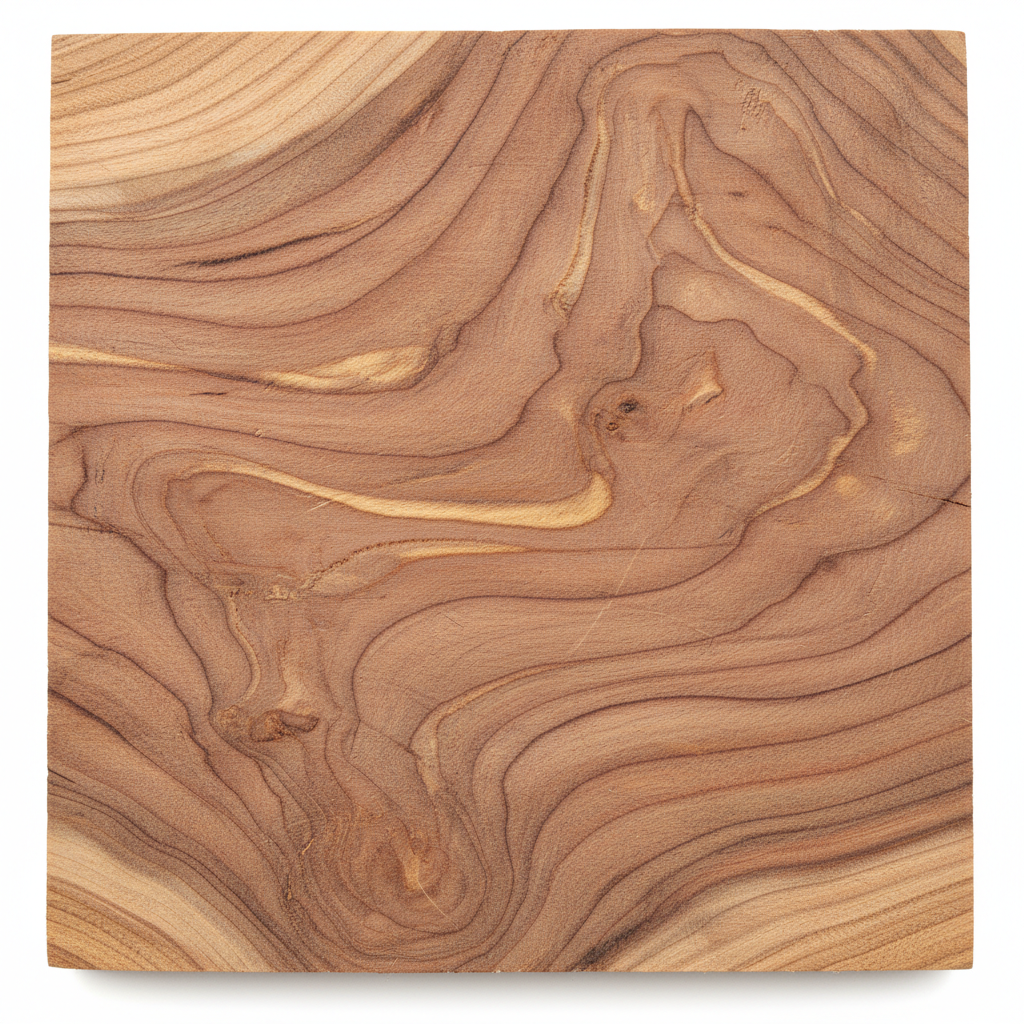
Cedar
Key Takeaways
- Use this guide when choosing between supplier offers for baldcypress and western redcedar.
- It focuses on purchasing specifications, usable quantities and delivered costs.
- Regional availability may affect the offer, but geography alone does not prove one board is more durable or better suited to the job.
- There is no automatic procurement winner.
- Match identity, grade, profile, quantities and exposure requirements first, then compare dated itemized offers including freight and exclusions.
| Property | Cypress | Cedar |
|---|---|---|
| Identity To Request | Baldcypress; supplier to confirm botanical identity | Western redcedar; supplier to confirm botanical identity |
| Grade And Selection | Name the offered grade and rules; specify heartwood/sapwood and usable sizes | Name the offered grade and rules; specify heartwood/sapwood and usable sizes |
| Dimensions | Request actual finished dimensions, profile and length tally | Request actual finished dimensions, profile and length tally |
| Material Price | Dated supplier quotation required; no national price assumed | Dated supplier quotation required; no national price assumed |
| Delivery | Confirm freight, access, unloading, tax and lead time for the ZIP | Confirm freight, access, unloading, tax and lead time for the ZIP |
Cypress
Pros
- Can be compared fairly when the supplier identifies grade, dimensions and selection
- A suitable local offer may reduce freight, subject to an actual quotation
Cons
- Do not substitute an old-growth durability claim for evidence about the offered stock
- Offered lengths and profiles may not suit the cut list
Cedar
Pros
- An identified product with documented profile and installation requirements supports clearer specification
- Comparable grade and delivered-cost quotations make alternatives easier to assess
Cons
- The name cedar alone does not establish western redcedar identity
- Do not assume national or local availability without supplier confirmation
Best Use Cases
Compare either material only if the actual offered product meets the application. For trim, siding or fence boards, agree on profile, usable lengths, appearance and fastening requirements. For structural or severe-exposure uses, obtain the required product documentation and design approval separately. Select the offer that meets the same specification at a comparable delivered cost, not a universal geographic winner.
Verdict
There is no automatic procurement winner. Match identity, grade, profile, quantities and exposure requirements first, then compare dated itemized offers including freight and exclusions. A cheaper line item may cost more per usable installed quantity.
Send both suppliers the same purchasing request
- Name baldcypress or western redcedar, the application and exposure. Do not accept an unnamed “cedar equivalent.”
- Specify grade and grading system, actual finished dimensions, profile, lengths and permitted heartwood/sapwood. Ask about available selections rather than assuming national inventory.
- Provide required quantity, site ZIP, access and unloading requirements. Ask for a dated itemized quote with milling, freight, tax, validity and lead time.
- Compare recoverable installed material, including cut losses, not an unmatched price per linear foot. Record exclusions and approve substitutions before ordering.
Do not turn location into a durability guarantee
Regional availability can affect sourcing costs; it does not establish the durability of the delivered wood. Use the separate exposure guide for heartwood, sapwood, growth conditions and assembly considerations.
Method: compare the same specification and itemized costs, not assumed inventory or national price averages. Grading context: NHLA rules overview, checked November 1, 2026; agree the applicable rules for each offered product.