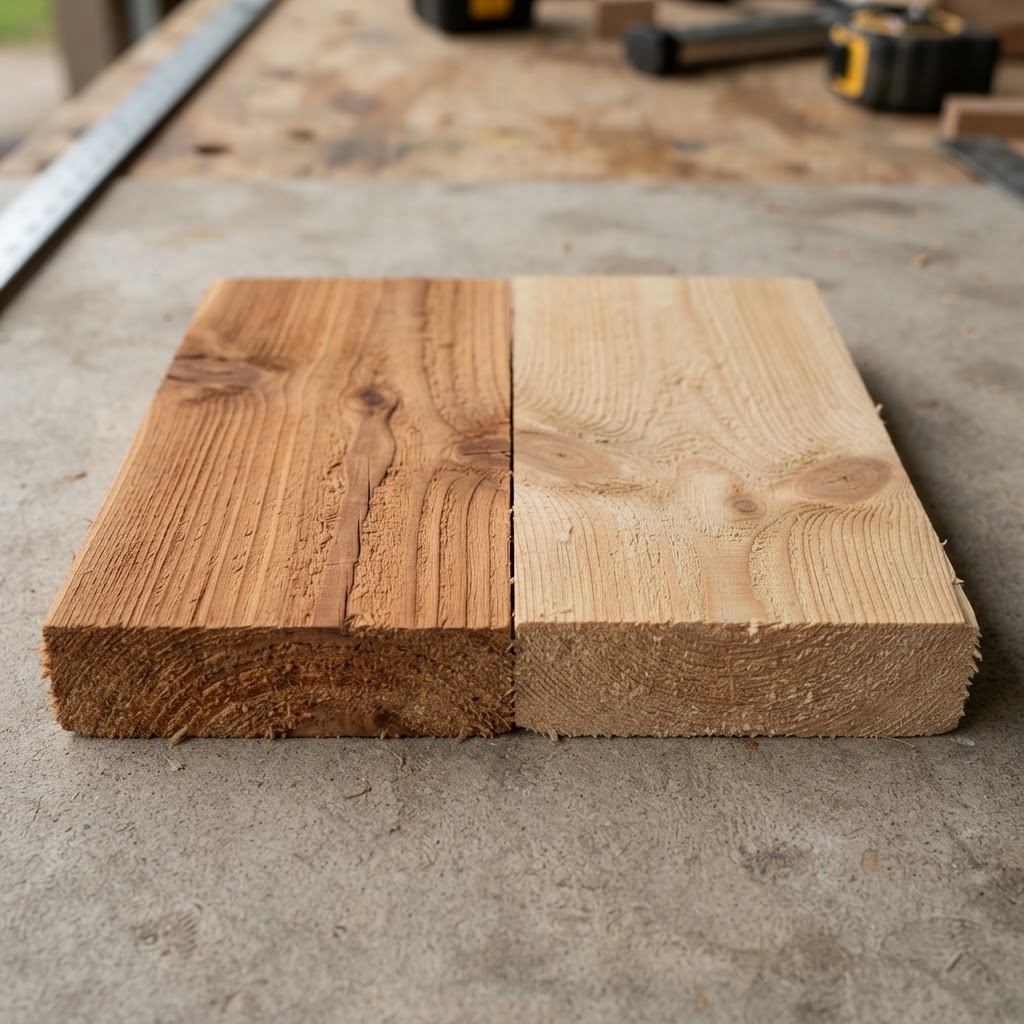
Cedar vs Cypress for Outdoor Use: Durability, Grades and Cost
By Lumberama · Updated 10/1/2026 · Source-based editorial guidance; no individual expert review claimed. Editorial standards
Western redcedar and baldcypress can both serve above-ground exterior projects, but cypress is not universally more rot-resistant than cedar. Heartwood versus sapwood, old-growth versus young-growth cypress, product grade and exposure change the comparison. Choose the material and assembly you can actually specify and verify, not a blanket promise of superior durability or a species-wide lifespan.
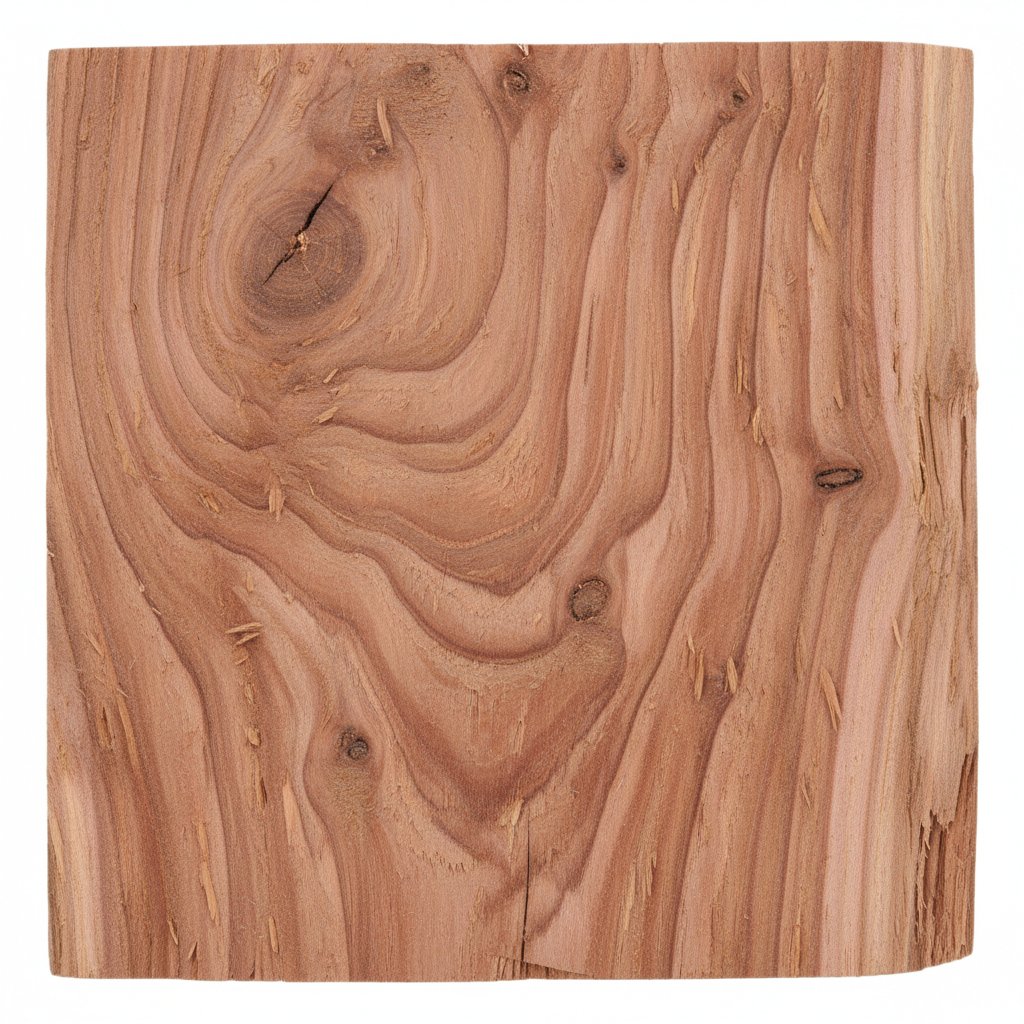
Western Red Cedar
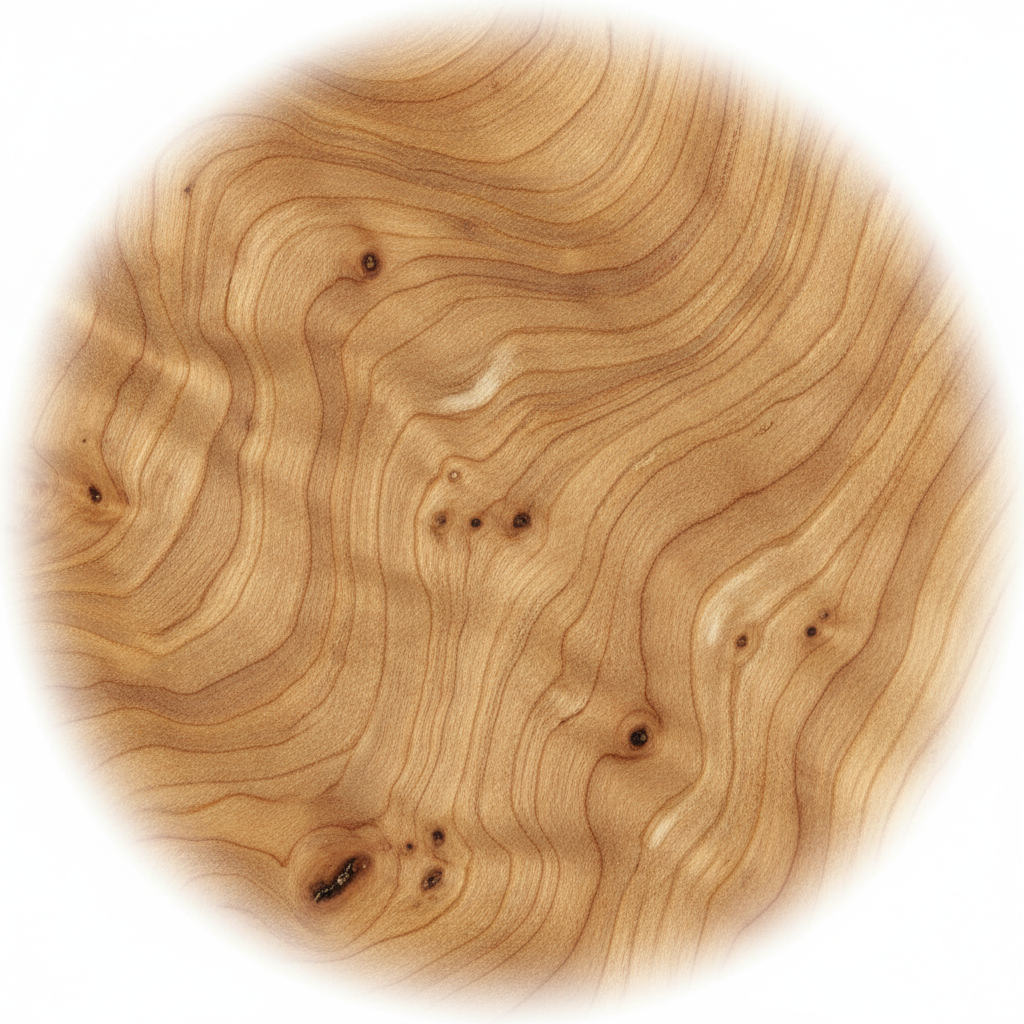
Baldcypress
Key Takeaways
- Western redcedar and baldcypress can both serve above-ground exterior projects, but cypress is not universally more rot-resistant than cedar.
- Heartwood versus sapwood, old-growth versus young-growth cypress, product grade and exposure change the comparison.
- Choose the material and assembly you can actually specify and verify, not a blanket promise of superior durability or a species-wide lifespan.
- There is no universal durability winner.
- Western redcedar heartwood is naturally decay-resistant, while baldcypress performance depends importantly on growth conditions and the wood supplied.
| Property | Western Red Cedar | Baldcypress |
|---|---|---|
| Species Scope | Western redcedar (Thuja plicata) | Baldcypress (Taxodium distichum); confirm supplier identity |
| Representative Side Hardness (~12% Moisture) | Approximately 350 lbf | Approximately 510 lbf |
| Hardness Limitation | Relatively soft; not a lifespan or span rating | Higher reference indentation resistance than western redcedar; not a lifespan or span rating |
| Natural Decay Resistance | Heartwood can resist decay; sapwood is not equivalent | USDA distinguishes old-growth from young-growth heartwood; do not assume all stock performs alike |
| Persistent Wetting Or Ground Contact | Confirm product suitability, design and treatment requirements | A cypress label alone does not qualify the product for the exposure |
| Appearance Maintenance | Can weather gray; finish and exposure determine maintenance needs | Can weather gray; finish and exposure determine maintenance needs |
| Structural Use | Requires applicable grade, design values and approved details | Requires applicable grade, design values and approved details |
| Total Cost | Compare dated equivalent grade, profile, length and freight quotes | Regional availability and shipping can change the price comparison |
Western Red Cedar
Pros
- Naturally durable heartwood for suitable exterior applications
- Low weight and established exterior product options
- Useful for siding, trim and fencing when correctly specified
Cons
- Soft surfaces can dent and wear
- Sapwood does not provide the same natural decay resistance
- Species name alone does not establish structural grade or ground-contact suitability
Baldcypress
Pros
- Useful exterior heartwood products when grade and exposure are appropriate
- Higher representative indentation resistance than western redcedar
- Potential regional sourcing option where equivalent products are available
Cons
- Modern young-growth stock should not inherit old-growth durability claims
- Heartwood content and supply need confirmation
- No blanket guarantee of insect resistance, ground-contact suitability or longer service life
Best Use Cases
Consider either species for above-ground siding, trim, fencing or an appropriate decking product when its grade, dimensions, heartwood content and installation instructions fit the project. Choose between equivalent supplier offers using drainage details, exposure, fastening compatibility, appearance goals and total delivered cost. Ground-contact posts, critical structural members and marine work require separate product and design specifications.
Verdict
There is no universal durability winner. Western redcedar heartwood is naturally decay-resistant, while baldcypress performance depends importantly on growth conditions and the wood supplied. Do not assume young-growth cypress outperforms cedar. Verify the actual grade, heartwood mix and exposure requirements, then compare equivalent delivered products and maintenance scope.
The comparison concerns western redcedar and baldcypress. Approximate representative hardness values refer to clear wood at about 12% moisture content. They are not design values, decay tests on purchased stock or service-life guarantees.
Is cypress more rot-resistant than cedar?
Not as a blanket rule. USDA decay-resistance guidance distinguishes old-growth from young-growth baldcypress heartwood; those are not interchangeable durability claims. Western redcedar heartwood is also naturally decay-resistant. Sapwood generally lacks the same natural protection. Modern cypress stock should not be sold or selected on the assumption that it performs like historic old-growth material. Ask what species and heartwood content the supplier can actually provide, then match the product and detailing to the exposure.
Define cedar and cypress before comparing them
Here, cedar means western redcedar (Thuja plicata), and cypress refers to baldcypress (Taxodium distichum). Eastern redcedar, yellow-cedar and other cedar-named woods differ in properties. Trade descriptions of cypress can also require clarification. The names on a product listing are not enough to establish species, grade, treatment or strength. Ask for those details in writing, especially when ordering from different regions or when considering reclaimed stock.
Siding, fencing and above-ground trim
Either species can be appropriate for well-detailed above-ground exterior work when the grade, dimensions and product instructions suit the application. Prioritize drainage, ventilation, end-grain protection and separation from soil or trapped water. For siding, follow the profile manufacturer’s fastening, spacing, flashing and finish requirements. For fences, distinguish replaceable above-ground boards from posts embedded in soil or concrete. A durable heartwood board does not make every post or connection equally durable.
Decking and high-wear surfaces
Both are relatively soft compared with many hardwood decking options, so dents, wear and splintering deserve attention. The approximate Janka comparison describes indentation resistance, not expected deck lifespan or an allowable support span. Select a decking product with an appropriate profile, thickness and installation instructions; check actual support spacing and fastening requirements. Do not use the species comparison as approval for a deck’s joists, beams or ledger. Structural framing needs the required species group, grade, design values and approved details.
Ground contact, persistent wetting and marine exposure
Do not assume that natural durability qualifies every cedar or cypress board for ground contact, critical posts or marine use. Untreated sapwood, uncertain heartwood content and persistent wetting change the risk. Where preservative treatment is required, specify the applicable use category and confirm the product label. UC4A covers general ground contact; more severe or critical applications can need a higher category. Ground-contact suitability does not by itself establish resistance to marine borers or suitability for saltwater construction.
Fasteners and metal staining
Use corrosion-resistant fasteners and connectors that comply with the product and hardware manufacturers’ requirements for the exposure. Extractives and moisture can contribute to staining around unsuitable fasteners. Coastal exposure, treatment chemistry, connector coatings and contact between dissimilar metals all matter. “Stainless” is not one universal specification; select the appropriate grade and compatible assembly. Pilot holes, edge distances and fastening schedules must suit the product rather than relying on the wood name alone.
Finishing and weathering
An exterior finish can control appearance and reduce moisture cycling, but it does not make lumber waterproof or permanently decay-proof. Unfinished wood may weather gray and can develop surface checks or uneven color depending on exposure. Apply a finish suitable for the profile and manufacturer’s process, and test it on the delivered stock. Maintenance intervals vary with sunlight, rain, surface orientation and coating system. A sheltered wall and a horizontal deck are not equivalent exposures.
Compare equivalent products and delivered costs
Availability and freight can reverse an apparent material-price advantage. Compare the same grade, heartwood or sapwood requirements, profile, thickness, lengths, finish scope and delivered quantity. Include offcuts, milling, fasteners and maintenance rather than using an unsourced national price range. For a hypothetical 500-linear-foot order, a $0.50-per-foot difference is $250 in material; an additional $300 freight charge reverses that difference before tax. Those assumptions are illustrative, not live quotes.
Specify the order and inspect the delivery
State western redcedar or baldcypress, the application, grade and grading system, minimum dimensions, profile and acceptable heartwood and sapwood mix. Confirm moisture requirements, treatment if required, fastening instructions and documentation for structural uses. Ask for dated itemized pricing, lead time and approved substitution terms. On arrival, compare the labels, dimensions, quantity and visible condition with the order before cutting or installing. Neither color nor aroma certifies decay resistance, species identity or treatment quality.
Sources and scope
Prepared from the following references on October 1, 2026. This is educational selection guidance, not structural design, treatment approval or an independent durability trial.
Comparing supplier offers instead? Use the cypress and cedar procurement checklist.