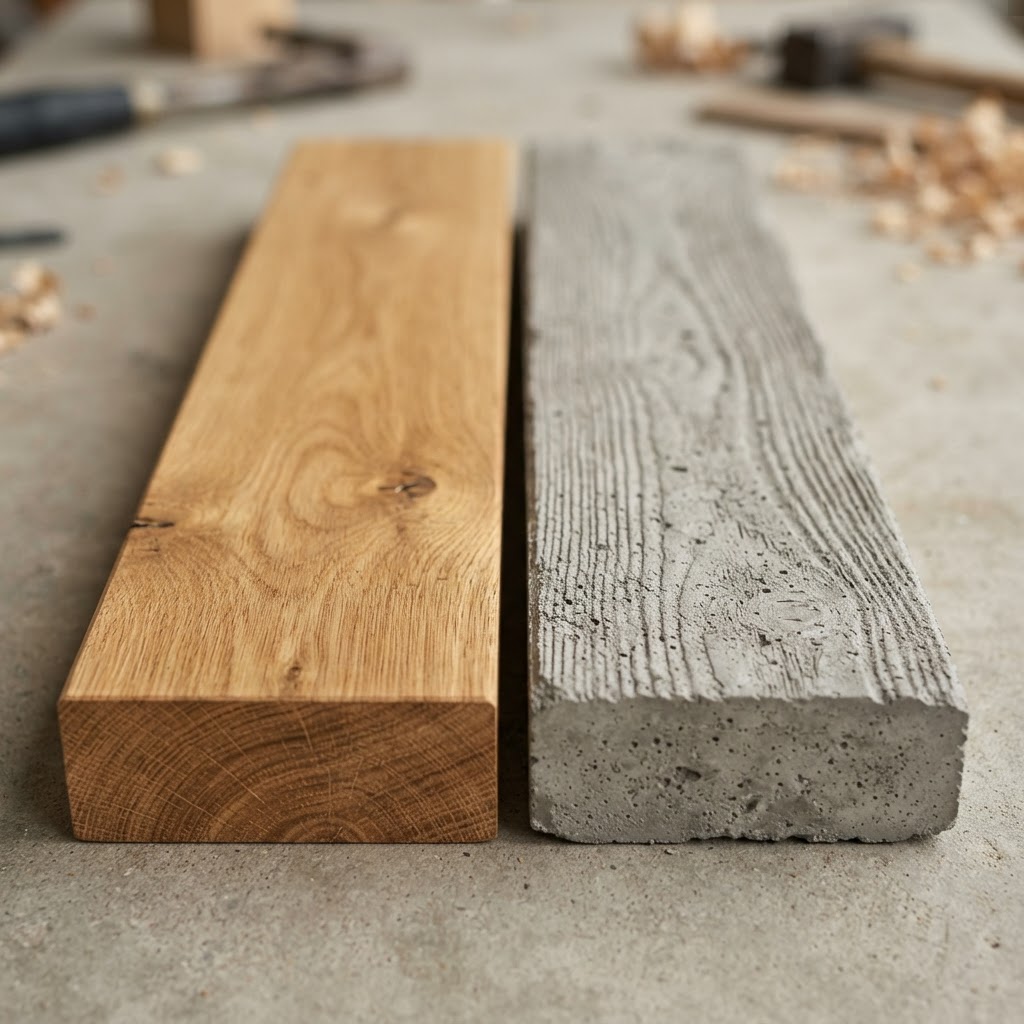
Concrete vs Wood Fence: Permanent vs Traditional (2026)
Concrete and wood fences serve the same basic purpose but represent vastly different investments in cost, aesthetics, and longevity. Concrete offers permanent, maintenance-free fencing, while wood delivers natural beauty at a fraction of the cost. This comparison covers the practical trade-offs between these two fundamentally different fencing approaches.

Concrete
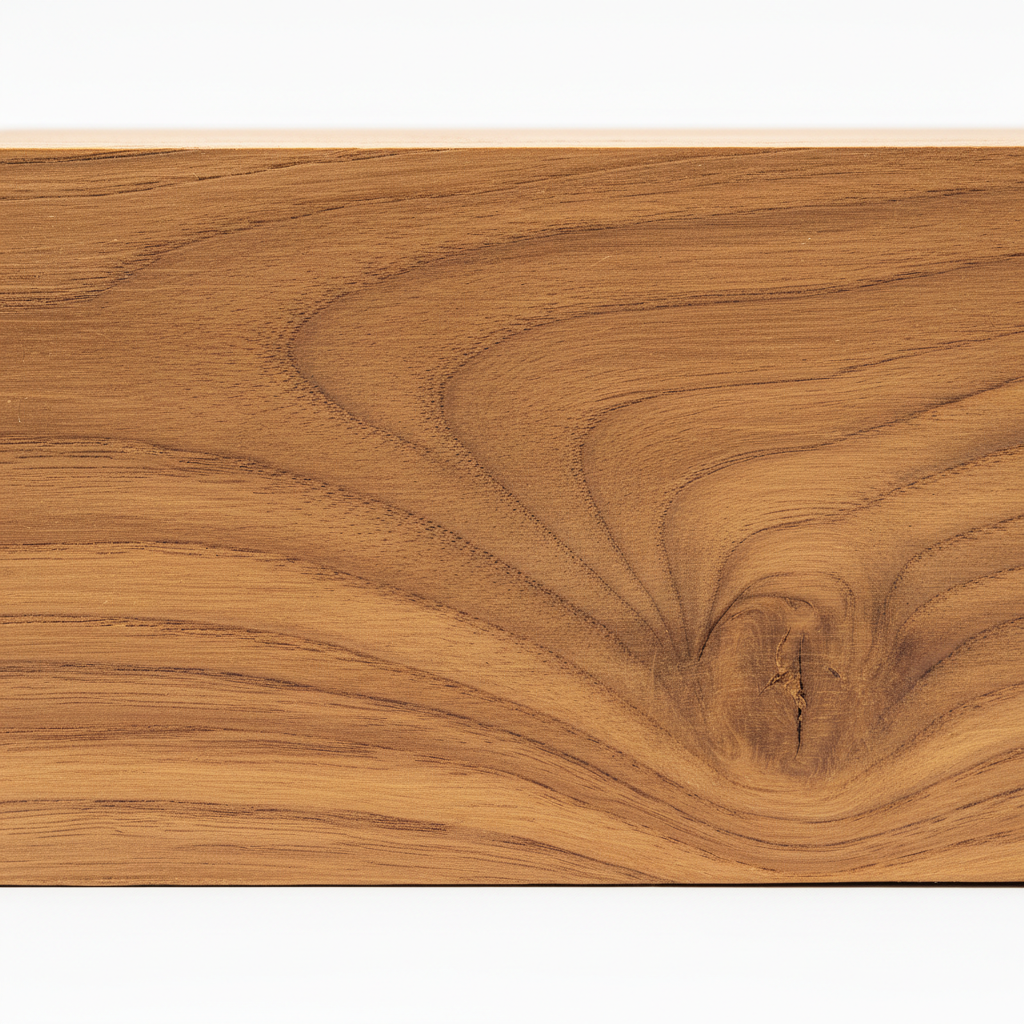
Wood
Key Takeaways
- Concrete and wood fences serve the same basic purpose but represent vastly different investments in cost, aesthetics, and longevity.
- Concrete offers permanent, maintenance-free fencing, while wood delivers natural beauty at a fraction of the cost.
- This comparison covers the practical trade-offs between these two fundamentally different fencing approaches.
- Wood is the right choice for most residential fencing.
- Concrete makes sense for permanent property walls, commercial boundaries, and situations where noise reduction or extreme longevity are priorities worth the significant premium.
| Property | Concrete | Wood |
|---|---|---|
| Price/Linear Ft | $30-$80 | $10-$30 |
| Lifespan | 50-100+ years | 10-25 years |
| Maintenance | Virtually none | Annual staining/sealing |
| Privacy | Excellent - solid wall | Excellent |
| Sound Blocking | Excellent | Moderate |
| Appearance | Industrial to modern | Warm, natural |
| Installation | Professional only | DIY possible |
Concrete
Pros
- Longest possible lifespan, Zero maintenance, Best sound barrier, Maximum security and privacy
Cons
- 3-5x more expensive, Professional installation required, Permanent and hard to modify, Cold industrial appearance
Wood
Pros
- Much more affordable, Warm natural aesthetic, Easy to repair and modify, DIY installation possible
Cons
- Much shorter lifespan, Requires regular maintenance, Can rot warp and lean, Vulnerable to insects and moisture
Best Use Cases
Choose concrete for permanent property boundaries, noise barriers, and situations where zero maintenance and maximum longevity justify the premium. Choose wood for most residential fencing where budget, aesthetics, and flexibility matter.
Verdict
Wood is the right choice for most residential fencing. Concrete makes sense for permanent property walls, commercial boundaries, and situations where noise reduction or extreme longevity are priorities worth the significant premium.
Frequently Asked Questions
Related Comparisons
Cedar vs Pressure-Treated Pine
Cedar vs pressure-treated pine for fencing compared on cost, lifespan, maintenance, and appearance.
Read guideAluminum vs Wrought Iron
Aluminum and wrought iron fences look similar but differ in cost, weight, and maintenance. Compare b
Read guideCedar vs Redwood
Cedar vs redwood for fencing — compare rot resistance, cost, availability, and appearance to choose
Read guide