fencing
Composite vs Wood Fence: Modern Material Showdown (2026)
Composite fencing brings low-maintenance advantages to your fence line. But with a higher price tag than traditional wood, is composite fencing worth it?
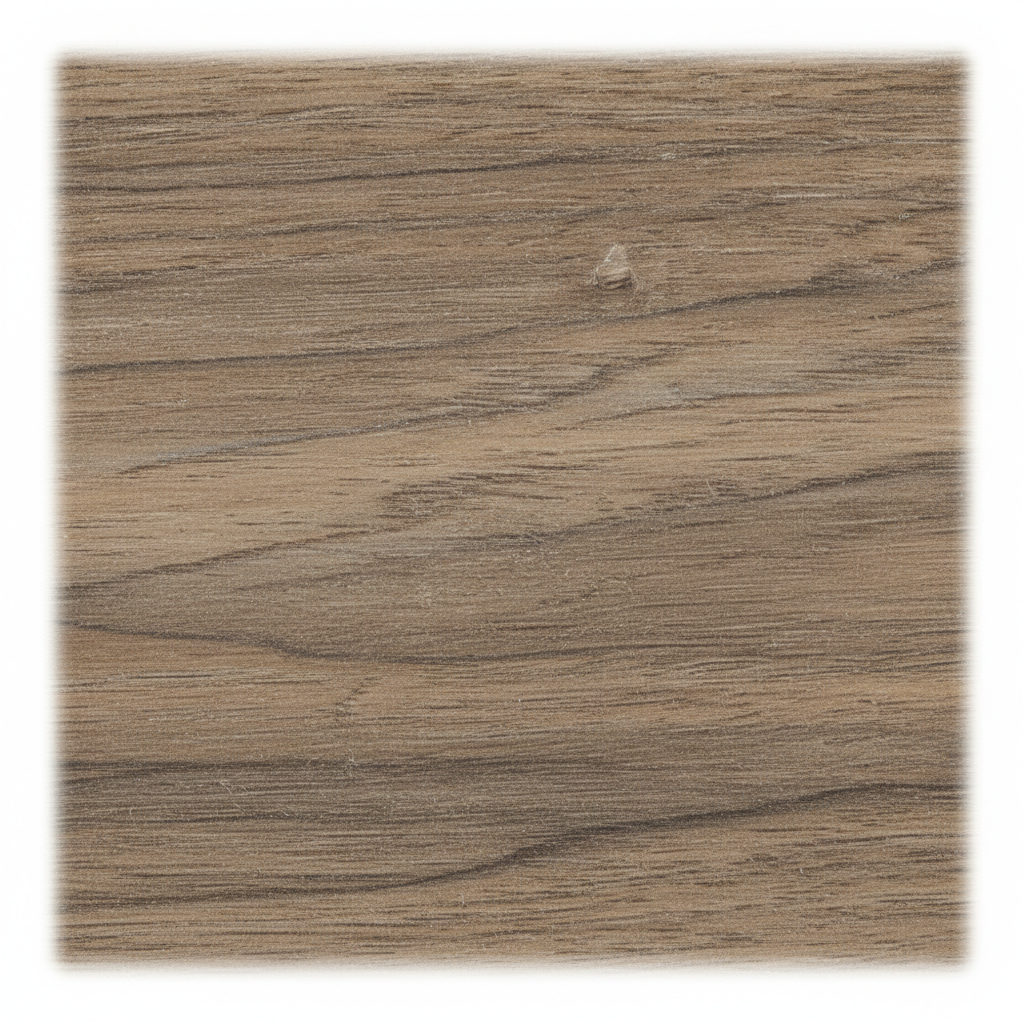
Composite
vs
vs
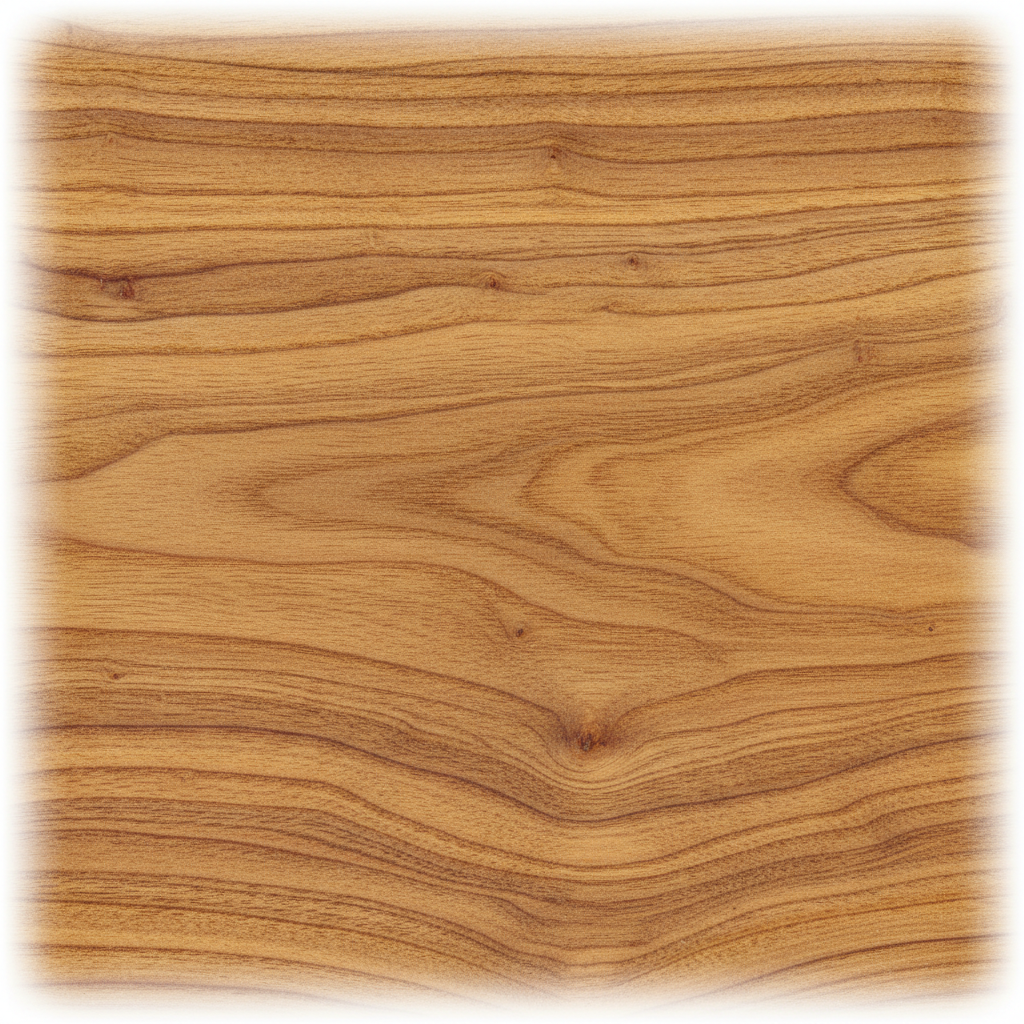
Wood
Key Takeaways
- Composite fencing brings low-maintenance advantages to your fence line.
- But with a higher price tag than traditional wood, is composite fencing worth it?
- Composite makes sense for maintenance-averse homeowners staying long-term.
- Wood remains the value leader.
- Choose composite for set-and-forget fencing with long warranty.
| Property | Composite | Wood |
|---|---|---|
| Cost/Linear Ft | $25-$45 | $10-$30 |
| Lifespan | 25-30 yrs | 15-20 yrs |
| Maintenance | Occasional wash | Stain every 2-3 yrs |
Composite
Pros
- No staining painting or sealing ever, Won't rot warp or attract insects, Consistent color, Longer lifespan
Cons
- 2x+ the cost of wood, Can look artificial, Limited color-change options, Heavy material
Wood
Pros
- Much lower upfront cost, Natural authentic appearance, Can be stained any color, Easier to repair
Cons
- Requires regular maintenance, Susceptible to rot and insects, Warping and splitting, Shorter lifespan
Best Use Cases
Choose composite for set-and-forget fencing with long warranty. Choose wood for lowest cost and most natural look.
Verdict
Composite makes sense for maintenance-averse homeowners staying long-term. Wood remains the value leader.
Frequently Asked Questions
If you stay 15+ years, eliminated maintenance costs can make it break even.
Generally no. Wood offers unlimited color flexibility.
Premium composite mimics grain but most can tell on close inspection.
Related Comparisons
fencing
Cedar vs Pressure-Treated Pine
Cedar vs pressure-treated pine for fencing compared on cost, lifespan, maintenance, and appearance.
Read guidefencing
Aluminum vs Wrought Iron
Aluminum and wrought iron fences look similar but differ in cost, weight, and maintenance. Compare b
Read guidefencing
Cedar vs Redwood
Cedar vs redwood for fencing — compare rot resistance, cost, availability, and appearance to choose
Read guide