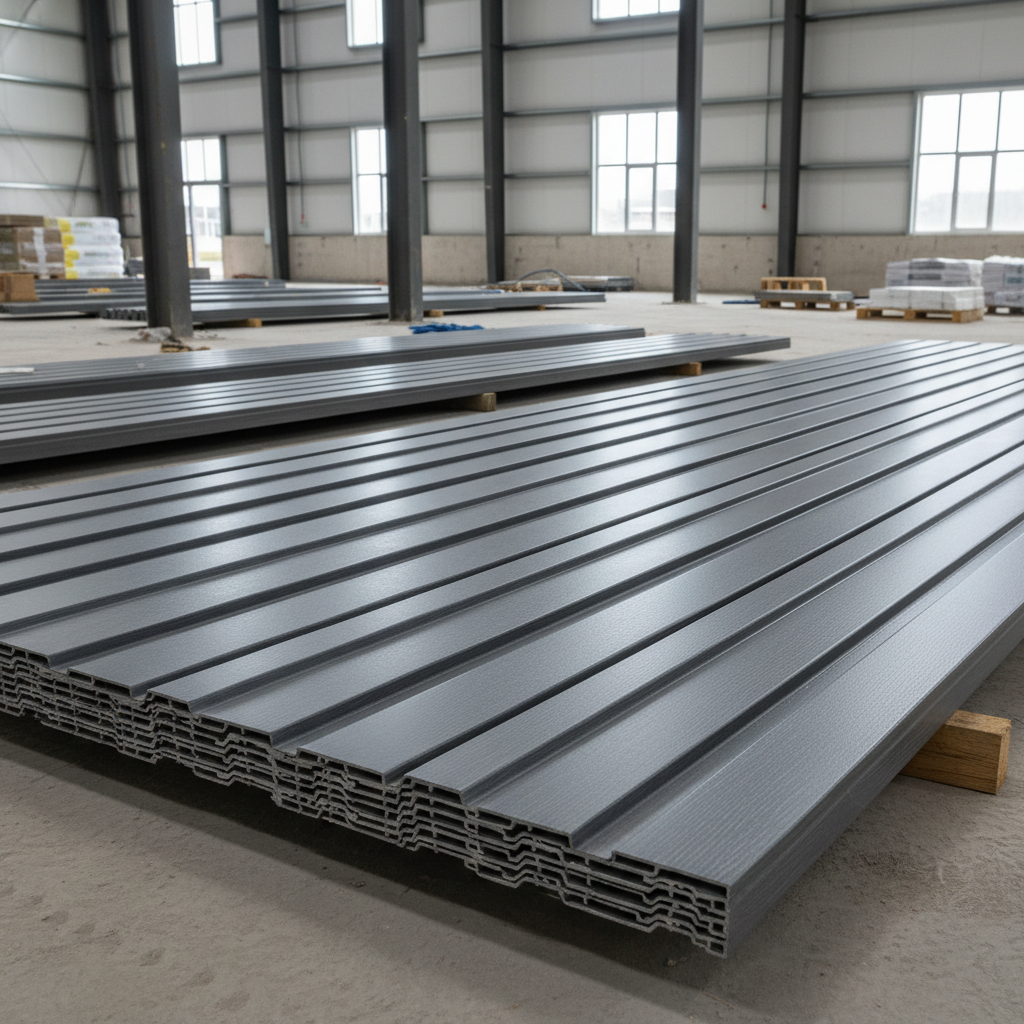
Aluminum Siding: Fireproof Metal Exterior Cladding (2026)
Aluminum siding is a lightweight, non-combustible metal cladding that resists rot, insects, and fire. Once the most popular siding choice before vinyl, it remains valued for its durability, fire resistance, and recyclability. Modern aluminum siding features baked-on enamel finishes and insulation backing for improved energy efficiency.
Key Features
- Non-combustible; Rot and insect proof; Recyclable material; Baked-on enamel finish; Can be repainted any color
Specifications
Applications
- Residential exterior walls; Fire-zone construction; Coastal environments; Historic renovations; Soffit and fascia trim
Installation Overview
Install over house wrap with aluminum nails to prevent galvanic corrosion. Start with starter strip. Nail loosely to allow thermal expansion. Lock panels, maintaining proper overlap. Install J-channel and corner posts at all transitions.
Pros & Cons
Pros
- ✓ Non-combustible; Does not rot or attract insects; Fully recyclable; Can be repainted; Durable in coastal environments
Cons
- ✗ Dents easily; Fades over time; Noisy in hail; Less popular means fewer contractors; Can show nail heads
Top Brands
Code Requirements
Must meet ASTM D4321. Non-combustible per IRC R302.1. Installation per manufacturer specs and IRC R703. House wrap required behind siding.
Buying Tips
Aluminum is a strong choice for fire-prone and coastal areas. Use only aluminum nails and trim to prevent galvanic corrosion. Insulated-backed panels add R-value and reduce denting.
Frequently Asked Questions
Related Guides
Heat Pump Guide: Types, Cost & How They Work
Heat and cool your home efficiently with one system.
Read articleAir Conditioning Guide: Types, Cost & Efficiency
Stay cool and save money on cooling.
Read articleWater Heater Guide: Types, Cost & Replacement
Choose the best water heater for your home.
Read article