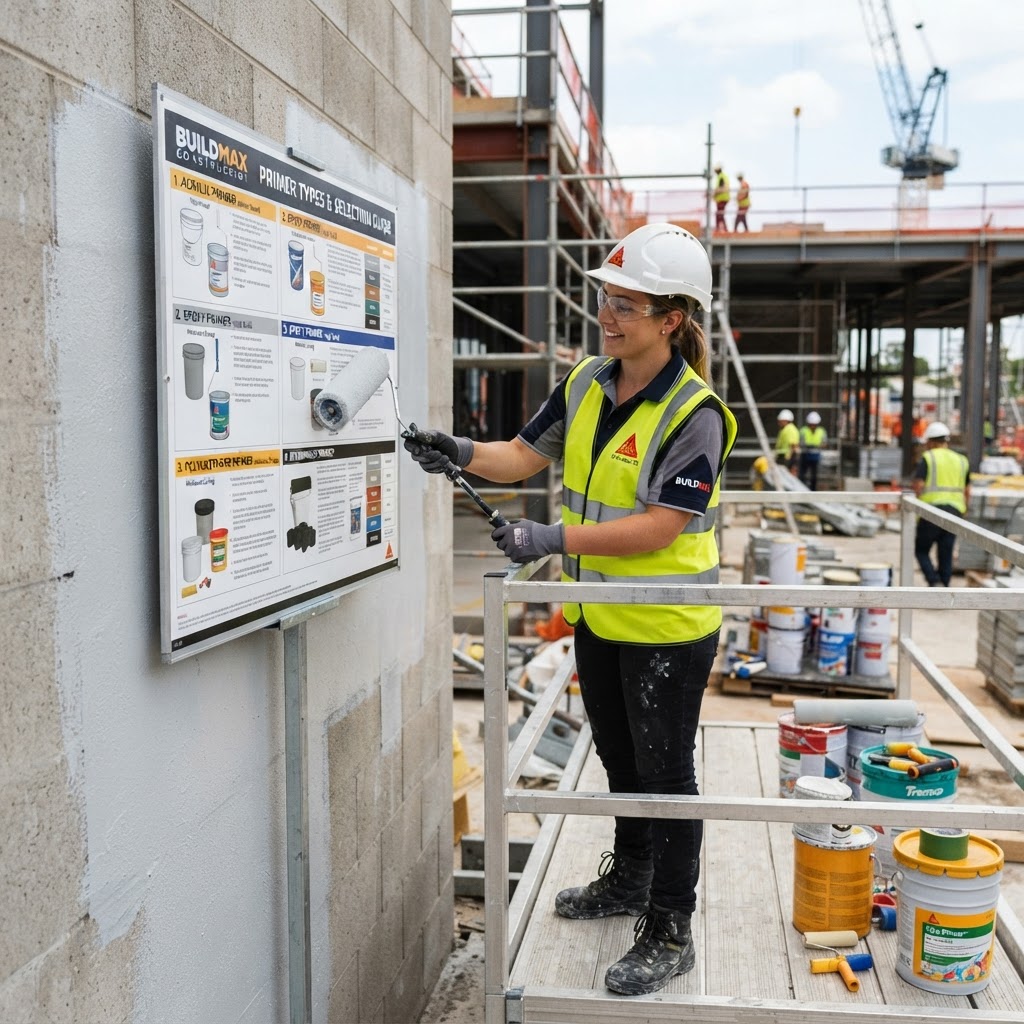
Primer Types and Selection Guide: When and What to Prime (2026)
Primer is the unsung hero of a lasting paint job, providing adhesion, stain blocking, and uniform surface preparation that topcoats alone cannot achieve. Knowing when to prime and which type to use saves time and ensures your paint performs to its full potential. This guide covers every primer type and the situations that demand them.
Key Takeaways
- Primer is the unsung hero of a lasting paint job, providing adhesion, stain blocking, and uniform surface preparation that topcoats alone cannot achieve.
- Knowing when to prime and which type to use saves time and ensures your paint performs to its full potential.
- This guide covers every primer type and the situations that demand them.
- Use PVA primer on new drywall for the most economical seal.
- Choose latex primer for general repaint prep where stain blocking is not critical.
Types Overview
Latex (water-based) primer is the everyday workhorse — low odor, easy cleanup, and suitable for drywall, plaster, and previously painted surfaces. Shellac-based primer is the ultimate stain blocker — seals smoke damage, water stains, pet odors, and knots in wood. Oil-based (alkyd) primer provides the best adhesion to bare and weathered wood, glossy surfaces, and chalky exterior paint. Bonding primer adheres to difficult surfaces like tile, glass, laminate, and glossy finishes without sanding. PVA (polyvinyl acetate) primer is specifically designed for new drywall — seals the porous surface at an economical price. Self-etching primer is formulated for bare metal and galvanized surfaces.
Selection Criteria
Use PVA primer on new drywall for the most economical seal. Choose latex primer for general repaint prep where stain blocking is not critical. Shellac primer is required for blocking water stains, smoke damage, tannin bleed, and persistent odors. Oil-based primer is best for bare exterior wood and surfaces that need maximum adhesion. Bonding primer eliminates the need to sand glossy surfaces before painting. Always match the primer type to both the surface and the topcoat for best compatibility.
Installation Guide
Clean the surface of dust, grease, and loose material before priming. Sand glossy surfaces lightly if not using bonding primer. Apply primer in thin, even coats — one coat is sufficient for most applications. Allow full dry time before topcoating (1-2 hours for latex, 4-8 hours for oil-based, 45 minutes for shellac). Sand primer lightly with 220-grit for the smoothest possible topcoat. Spot-prime repairs and patches even on previously painted surfaces.
Code Requirements
VOC regulations limit primer VOC content by region. Lead-based primers are banned — never use vintage primer products. EPA RRP rules apply when disturbing existing paint in pre-1978 homes. Primers in USDA-regulated food processing facilities must meet specific certification requirements. Fire-retardant primers are available for specific code-required applications.
Cost Breakdown
PVA drywall primer: $15-$25 per gallon. Latex all-purpose primer: $20-$35 per gallon. Oil-based primer: $25-$45 per gallon. Shellac primer: $30-$50 per gallon. Bonding primer: $30-$50 per gallon. Self-etching metal primer: $10-$20 per quart. Spray primer (aerosol): $5-$12 per can. One gallon of primer covers 300-400 square feet.
DIY vs Professional
Priming is straightforward and very DIY-friendly. The key is selecting the right type for the situation. Shellac primer requires mineral spirits for cleanup and good ventilation. Oil-based primer also needs mineral spirits and proper ventilation. Latex and PVA primers clean up with soap and water. Spray application provides the smoothest results on trim and cabinets but requires masking.
Common Mistakes to Avoid
Skipping primer on new drywall causes uneven sheen and poor coverage (known as flashing). Using latex primer over a water stain allows the stain to bleed through. Not priming bare wood before exterior painting causes peeling within 2-3 years. Applying primer too thick causes dripping and extended dry times. Topcoating before primer is fully dry causes adhesion problems. Using the wrong primer on specialty surfaces (not using bonding primer on tile or laminate).
Frequently Asked Questions
Related Guides
Paint Buying Guide (Exterior)
Choose the best exterior paint for your home. Compare acrylic latex, oil-based, and specialty coatin
Read guidePaint Buying Guide (Interior)
How to choose interior paint: compare sheens, finishes, and paint-and-primer products. Learn coverag
Read guide