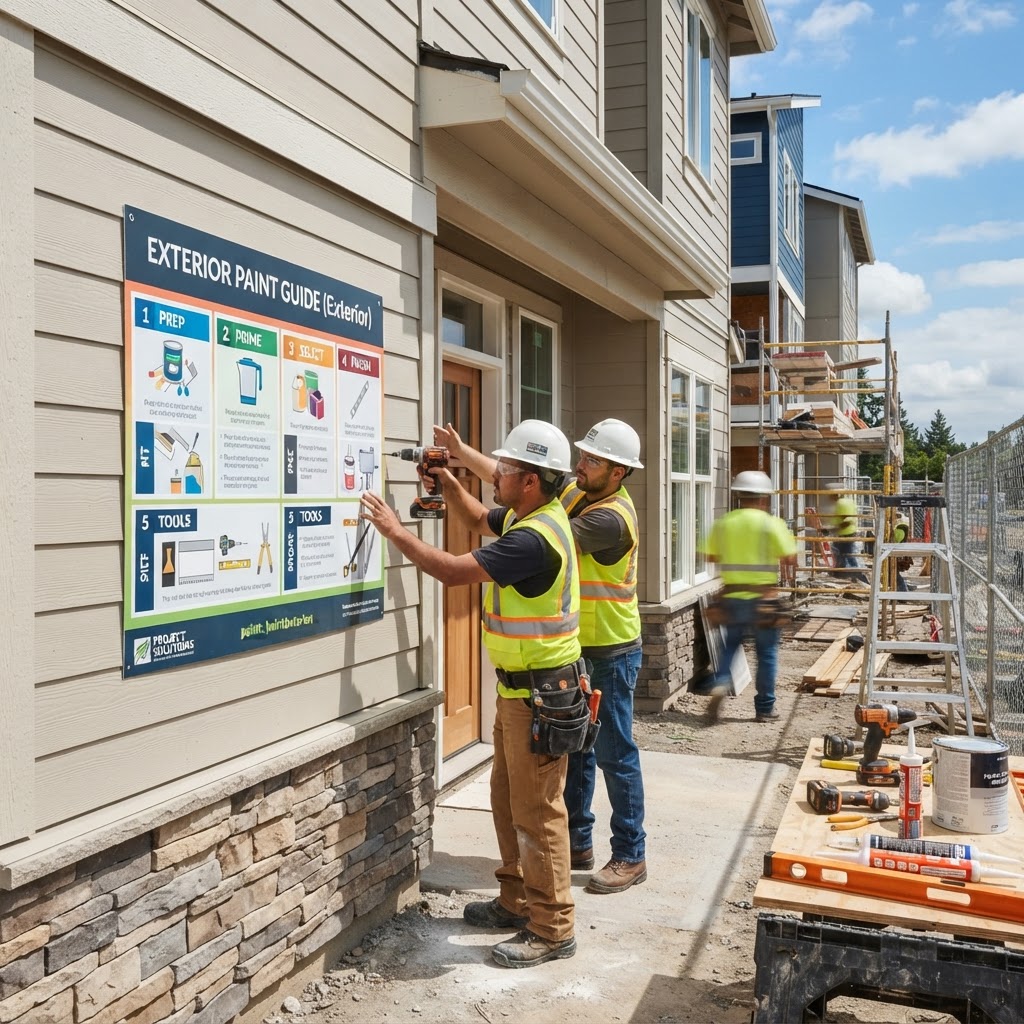
Exterior Paint Buying Guide: Types, Durability, and Application (2026)
Exterior paint must withstand UV radiation, rain, snow, and temperature extremes while maintaining color and adhesion for years. The right product and proper preparation make the difference between a paint job that lasts 5 years and one that lasts 15. This guide covers exterior paint types, surface preparation, and the techniques that ensure lasting results.
Key Takeaways
- Exterior paint must withstand UV radiation, rain, snow, and temperature extremes while maintaining color and adhesion for years.
- The right product and proper preparation make the difference between a paint job that lasts 5 years and one that lasts 15.
- This guide covers exterior paint types, surface preparation, and the techniques that ensure lasting results.
- Choose 100% acrylic latex for all standard exterior surfaces — it adheres to most substrates, resists cracking, and allows moisture vapor to escape.
- Use oil-based primer under latex topcoat for bare or weathered wood and chalky surfaces.
Types Overview
100% acrylic latex is the gold standard for exterior paint — flexible, breathable, and extremely durable. Acrylic latex with ceramic microspheres adds insulating properties and enhanced UV protection. Oil-based (alkyd) exterior paint provides superior adhesion to bare wood and chalky surfaces but is being phased out due to VOC regulations. Solid-color stain penetrates wood rather than forming a film, ideal for wood siding and fences. Semi-transparent stain lets wood grain show through for decks and natural wood siding. Elastomeric coatings bridge hairline cracks and provide a waterproof membrane on stucco and masonry.
Selection Criteria
Choose 100% acrylic latex for all standard exterior surfaces — it adheres to most substrates, resists cracking, and allows moisture vapor to escape. Use oil-based primer under latex topcoat for bare or weathered wood and chalky surfaces. Flat or matte sheen hides surface imperfections on siding. Satin sheen provides more washability and is popular on siding and trim. Semi-gloss and gloss for trim, doors, and shutters. Look for UV-resistant formulas and mildew-resistant additives for humid climates.
Installation Guide
Surface preparation is critical — pressure wash and allow 48 hours to dry. Scrape loose and peeling paint. Sand glossy surfaces for adhesion. Caulk gaps between trim and siding. Prime bare wood, stains, and repairs. Apply paint when temperatures will remain between 50-85°F for 24 hours and rain is not expected. Work in the shade, following the sun around the house. Two coats are essential for maximum durability. Use quality exterior-grade brushes and roller covers.
Code Requirements
Exterior paint VOC limits are regulated by EPA and state agencies (varies by region — California has the strictest limits). Lead paint disturbance on pre-1978 homes requires EPA RRP certified contractors. Paint disposal must follow local hazardous waste regulations — do not pour paint into storm drains. HOA restrictions may limit exterior color choices. Historic districts may have specific paint color requirements and approval processes.
Cost Breakdown
Budget exterior paint: $25-$35 per gallon. Mid-range: $35-$50 per gallon. Premium: $50-$80 per gallon. Ultra-premium: $70-$100+ per gallon. One gallon covers 250-350 square feet per coat on exterior surfaces. Average home exterior (2,500 sq ft siding + trim): 15-25 gallons. Professional exterior painting: $3,000-$8,000 for average home. DIY materials cost: $500-$1,500.
DIY vs Professional
Exterior painting is a feasible DIY project for single-story homes and accessible surfaces. Two-story homes require proper scaffolding or tall extension ladders, adding significant safety risk. Professional painters work faster, have proper equipment for heights, and deliver more consistent results. Professional prep work (pressure washing, scraping, caulking) is often worth hiring out even if you plan to paint yourself.
Common Mistakes to Avoid
Painting over dirty or chalky surfaces causes peeling within 1-2 years. Applying paint in direct sun causes blistering and poor film formation. Painting when temperatures are too cold or rain is imminent causes adhesion failure. Applying a single thick coat instead of two proper coats reduces durability by years. Using interior paint outside — it lacks UV stabilizers and weather resistance. Not caulking gaps before painting allows water behind the paint film.
Frequently Asked Questions
Related Guides
Paint Buying Guide (Interior)
How to choose interior paint: compare sheens, finishes, and paint-and-primer products. Learn coverag
Read guidePrimer Types and Selection Guide
Learn when you need primer and which type to use. Compare latex, shellac, and oil-based primers for
Read guide