Wood Rot Repair Guide: Identifying, Treating & Preventing Decay in Your Home
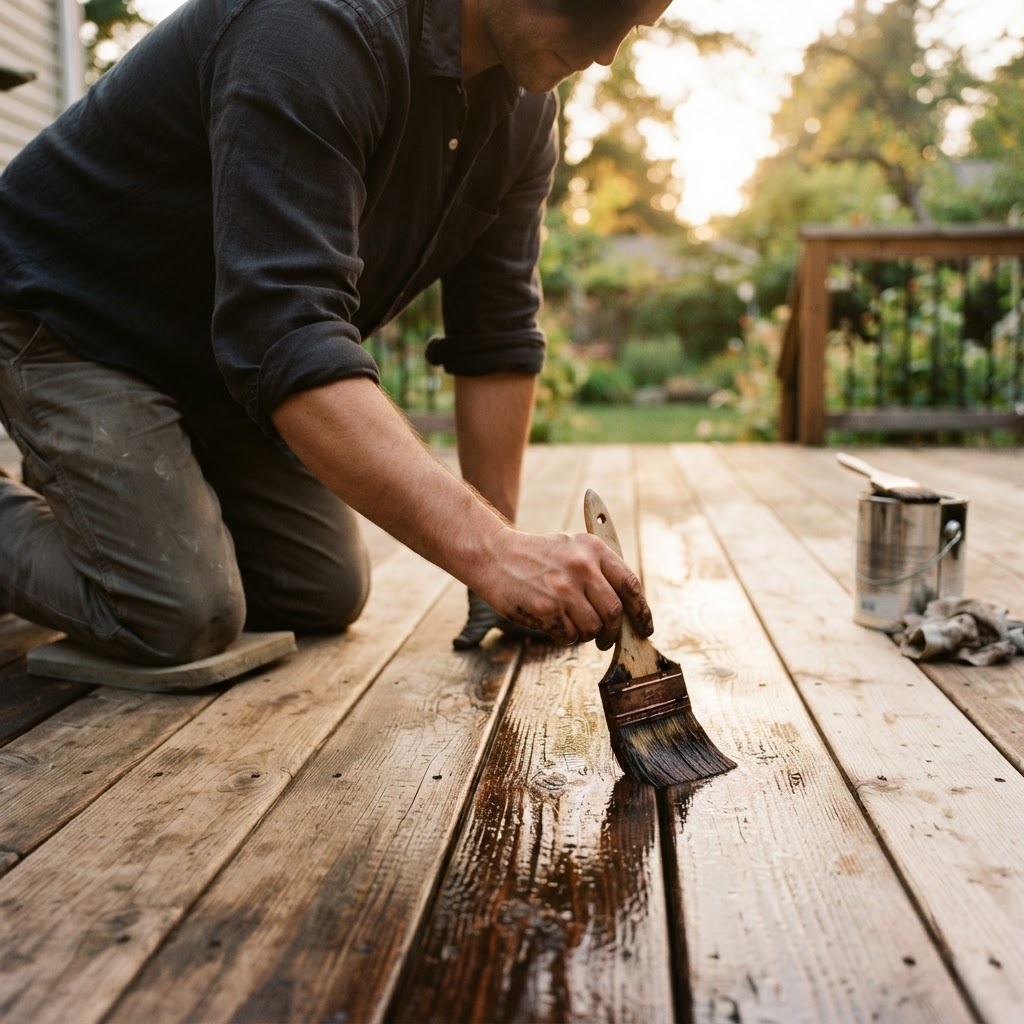
Understanding Wood Rot
Wood rot is caused by fungi that break down the cellulose and lignin in wood — the structural fibers that give wood its strength. Rot fungi need four conditions simultaneously: wood (food), moisture (above 20% moisture content), oxygen, and moderate temperatures (40-100°F). Remove any one of these conditions and rot cannot occur. This is why keeping wood dry is the single most effective rot prevention strategy.
Types of Wood Rot
Brown rot (also called "dry rot" — a misleading name because all rot requires moisture) attacks the cellulose in wood, leaving the lignin intact. Affected wood turns brown, shrinks, and develops a distinctive cubical cracking pattern (the wood breaks into small cube-shaped pieces). Brown rot is the most destructive type — it can reduce wood's structural strength by up to 70% before visible damage appears. Brown rot can also spread through masonry, soil, and behind wall surfaces to attack wood that appears dry and protected.
White rot attacks both cellulose and lignin, causing the wood to become light-colored, spongy, and stringy. White rot is more common in hardwoods and generally progresses more slowly than brown rot. Soft rot occurs in extremely wet conditions (like wood in constant ground contact or submerged in water) and progresses very slowly compared to brown and white rot.
Identifying Rot
Visual signs: discolored wood (darker or lighter than surrounding areas), paint that's peeling, cracking, or bubbling, and wood that appears swollen or distorted. Probe test: press an awl, ice pick, or screwdriver into suspect areas. Sound wood resists penetration; rotted wood is soft and the tool sinks in easily. In early stages, the wood may feel firm but sounds hollow when tapped. Moisture meter: a pin-type moisture meter (available for $30-50) reads the wood's moisture content directly. Readings above 20% indicate conditions favorable for rot; above 28% indicates active rot is likely.
Repair Methods
Epoxy consolidant and filler is the best repair for localized rot that hasn't compromised structural integrity. First, excavate all soft, rotted material with a chisel, screwdriver, or rotary tool. Drill 1/4-inch holes into the surrounding wood every 1-2 inches for consolidant penetration. Apply liquid epoxy consolidant (Abatron LiquidWood, Smith's CPES, System Three Rot Fix) liberally — it soaks into the remaining wood fibers and hardens them to near-original strength. Let the consolidant cure (typically 2-24 hours depending on product and temperature). Then apply epoxy filler (Abatron WoodEpox, PC Woody, Minwax High-Performance Wood Filler) to rebuild the missing material. Mold and shape the filler to match the original profile. Sand smooth after curing and prime/paint.
Wood replacement is necessary when rot has compromised structural members (studs, joists, sills, headers) or when the rot area is too large for epoxy repair. Cut out the rotted section plus 12 inches of sound wood in each direction (rot fungi extend beyond the visible damage). Replace with matching lumber treated with borate preservative. Sister (attach alongside) or scab new structural members to existing ones for strength.
Common Rot Locations in Homes
Window sills and frames (water collects at the bottom), door thresholds and frames (foot traffic and rain exposure), fascia boards and rake trim (high exposure to rain), deck ledger boards (where the deck attaches to the house), rim joists and sill plates (ground-level moisture), column bases (ground contact and splash-back), and any area where two surfaces meet and create a moisture trap. Address the moisture source before repairing — repairing rot without fixing the cause guarantees the rot will return.
Prevention
Borate treatment (Bora-Care, Timbor) applied to bare wood makes it permanently resistant to rot fungi and wood-boring insects. Borates are odorless, colorless, and safe for humans and pets once dry. Keep wood at least 6 inches above soil. Maintain paint and caulk to prevent moisture infiltration. Ensure proper flashing at all transitions (wall-to-roof, wall-to-deck, windows, doors). Provide adequate ventilation in crawl spaces and attics. Fix any plumbing leaks immediately. Clean and maintain gutters and downspouts.
Frequently Asked Questions
Lumberama Editorial Team
Home Repair & Preservation Experts
Contributor to Lumberama’s reference library. Read our editorial standards and source methodology.
Explore related resources
Where readers of this article usually go next.
Related Articles

Compost Guide: How to Compost, Bins & Tips
Turn kitchen scraps and yard waste into garden gold.

Interior Paint Guide: Types, Finishes, Colors & Cost
Choose the right interior paint type, finish, and color for every room.
Tree Removal Guide: Cost, When & How
Make informed decisions about tree removal with this comprehensive guide.