Types of Plywood: Grades, Core Materials & Which to Use for Every Project
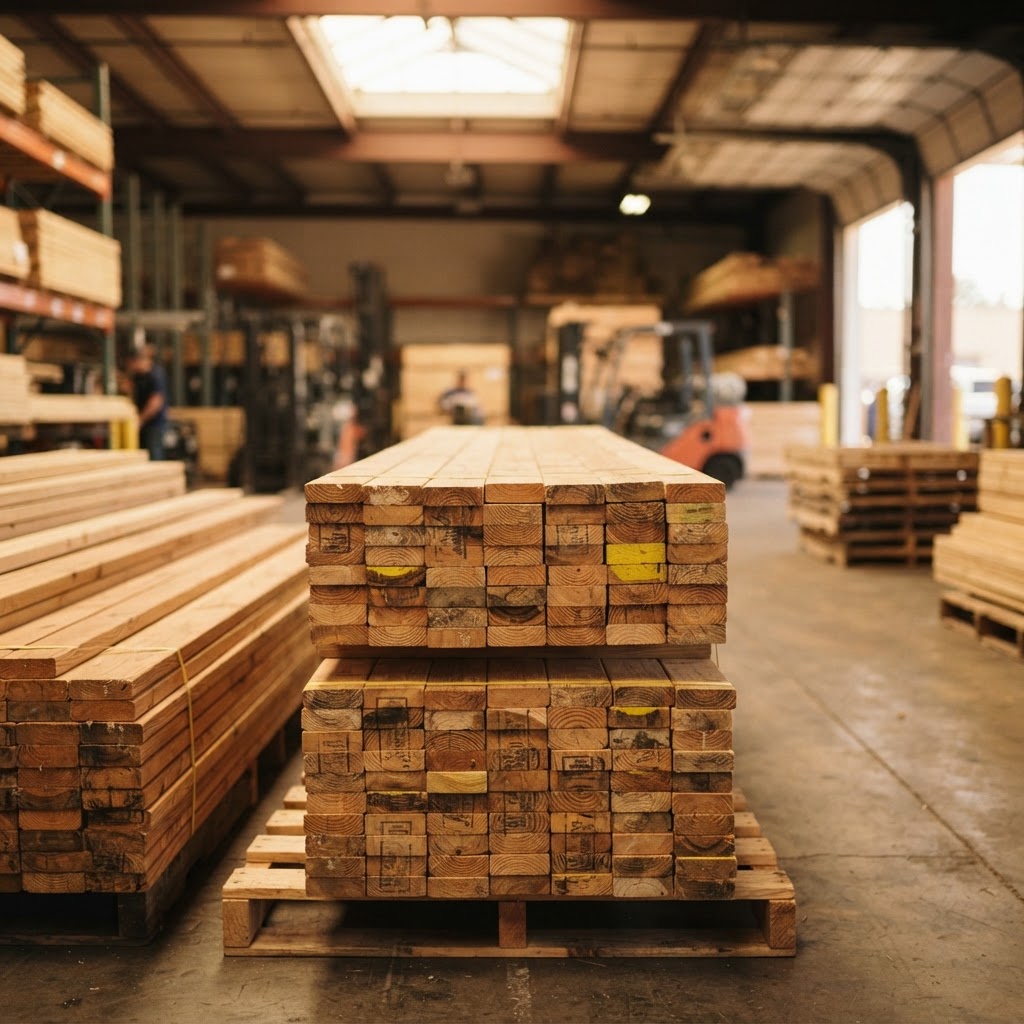
Plywood Grades
Plywood has a two-letter grade (e.g., A-C, B-B) that describes the quality of the two faces (front and back).
A grade: Smooth, sanded, minimal defects. Suitable for visible, painted surfaces. May have small, neatly made repairs. The premium face grade.
B grade: Solid surface with minor defects. Tight knots up to 1 inch, minor patches. Suitable for surfaces that will be painted or covered.
C grade: Knots up to 1-1/2 inches, some splits and patches. Not suitable for visible surfaces. Used for structural and utility applications.
D grade: Larger knots, knotholes, splits. The lowest grade. Used only where the face won't be visible. Sheathing and subflooring.
Common grade combinations: A-A (both faces premium — expensive), A-C (one good face for paint, rough back), B-C (utility with a reasonable face), C-D (CDX — the most common structural/sheathing grade).
Softwood Plywood
Made from Douglas fir, southern pine, or spruce veneer. Used primarily for construction and structural applications.
CDX: C-D grade with exterior (X) glue. The most common construction plywood. Used for roof sheathing, wall sheathing, and subflooring. Not truly waterproof — the X means the glue can handle temporary moisture exposure during construction, not permanent outdoor use.
Structural (rated sheathing): Stamped with span ratings (e.g., 32/16 means 32" rafter spacing for roofs, 16" joist spacing for floors). Sold in standard 4x8 sheets, 7/16" to 3/4" thick.
Exterior plywood: Fully waterproof glue with better face veneers (minimum C grade on both faces). For permanent outdoor use where both faces may be exposed to weather.
Hardwood Plywood
Decorative face veneer (oak, birch, maple, cherry, walnut) over a core material. Used for cabinets, furniture, shelving, and any application where the surface will be visible.
Veneer core: Traditional construction. Multiple thin wood plies (like softwood plywood). Strong, screw-holding, lighter weight. Good for structural applications. Can have minor core voids that show when edges are exposed.
MDF core: Hardwood veneer over a medium-density fiberboard core. Perfectly smooth, flat surfaces. No core voids. Heavier than veneer core. Excellent for painted cabinets and applications where flatness is critical. Downsides: very heavy, doesn't hold screws as well as veneer core, swells if exposed to water.
Combination core: MDF crossbands sandwiching a veneer core center. Combines the flatness of MDF with the lighter weight and screw-holding of veneer core. The premium option for high-end cabinetry.
Baltic Birch Plywood
A category of its own. Made in Russia, Finland, and the Baltic states from birch veneer throughout (no softwood or filler plies). Characteristics that make it special:
Void-free core: Every ply is solid birch with no gaps, patches, or voids. This means exposed edges are beautiful — a distinctive layered pattern that many woodworkers intentionally show as a design feature.
More plies: A 3/4" sheet has 13 plies (compared to 5-7 in standard plywood). More plies = more stability and strength.
Sheet size: Standard Baltic birch comes in 5x5 foot sheets (not 4x8). Some suppliers offer 4x8 sheets but they cost significantly more.
Uses: Drawer boxes, jigs and fixtures, speaker cabinets, CNC projects, furniture where edges will be visible, shop storage. The go-to plywood for woodworkers.
Price: $50-$90 for a 3/4" 5x5 sheet. More expensive than standard hardwood plywood per square foot.
Marine Plywood
The highest quality plywood made. Requirements: all-hardwood veneers (typically Douglas fir or okoume), waterproof glue, void-free core, A-A or A-B face grades.
Uses: Boat building, transom boards, outdoor furniture exposed to constant moisture, dock structures.
Note: Marine plywood is NOT pressure-treated and will still rot without finish protection. The waterproof designation means the glue won't fail when wet — the wood itself still needs protection from decay.
Price: $80-$200+ for a 4x8 sheet of 3/4". A premium product for premium applications.
Which Plywood for Which Project?
Kitchen cabinets: 3/4" hardwood plywood (maple or birch face) with veneer or combination core. Baltic birch for drawer boxes.
Bookshelves: 3/4" hardwood plywood matching your desired wood species. Veneer core for screw-holding; MDF core for painted shelves.
Subflooring: 3/4" CDX or rated sheathing (tongue-and-groove preferred).
Roof/wall sheathing: 7/16" to 1/2" CDX or OSB.
Workbench top: Laminated 3/4" Baltic birch (two layers glued together = 1-1/2").
Outdoor projects: Marine plywood or exterior-rated plywood with proper finish.
Frequently Asked Questions
Lumberama Editorial Team
Panel Products & Plywood Specialists
Contributor to Lumberama’s reference library. Read our editorial standards and source methodology.
Choose and plan your plywood
Where readers of this article usually go next.
Related Articles

Compost Guide: How to Compost, Bins & Tips
Turn kitchen scraps and yard waste into garden gold.
Interior Paint Guide: Types, Finishes, Colors & Cost
Choose the right interior paint type, finish, and color for every room.

Tree Removal Guide: Cost, When & How
Make informed decisions about tree removal with this comprehensive guide.