Shed Building Plans: Sizes, Materials, Foundation & Step-by-Step Guide
Choosing the Right Shed Size
Small Sheds (6x8 to 8x10)
Small sheds (48–80 sq ft) are ideal for basic garden tool storage, lawn mower housing, and seasonal item storage. A 6x8 shed holds a push mower, garden tools, and a few shelves. An 8x10 adds room for a workbench or larger power tools. Small sheds are the easiest to build, often don't require a permit, and fit in most backyards.
Cost to build: $1,000–$3,000 DIY. $3,000–$6,000 professionally built.
Medium Sheds (10x12 to 12x16)
Medium sheds (120–192 sq ft) are the most popular size for homeowners. They comfortably store riding mowers, multiple bikes, outdoor furniture, and seasonal decorations with room for a small workbench or potting station. A 12x16 is large enough for a legitimate small workshop.
Cost to build: $3,000–$7,000 DIY. $6,000–$12,000 professionally built.
Large Sheds (12x20 to 16x24)
Large sheds (240–384 sq ft) function as full workshops, hobby spaces, home offices, or multi-purpose buildings. At this size, you'll likely need a building permit, concrete foundation, and possibly electrical service. A 16x24 shed is comparable in size to a two-car garage.
Cost to build: $7,000–$15,000 DIY. $12,000–$25,000+ professionally built.
Foundation Types
Gravel Pad
The simplest shed foundation. Excavate 4–6 inches, compact the soil, add landscape fabric, and fill with crushed gravel (compacted in lifts). Place pressure-treated 4x4 or 6x6 skids on top of the gravel, then build the floor frame on the skids. Excellent drainage, easy to level, and no concrete work required.
Best for: Small to medium sheds on relatively flat ground.
Cost: $200–$600 for a 10x12 area.
Concrete Block Piers
Solid concrete blocks (8x16) stacked and leveled at each corner and along the perimeter of the shed. The floor frame (pressure-treated beams) sits directly on the blocks. Simple, affordable, and adjustable. Works well on slightly sloped ground because you can stack more blocks on the low side.
Best for: Small to medium sheds, slightly uneven ground.
Cost: $50–$200.
Concrete Slab
A poured concrete slab (4 inches thick, typically with wire mesh reinforcement) provides the most durable and permanent shed foundation. Required for large sheds, workshops, and buildings with heavy equipment. The slab also serves as the finished floor.
Best for: Large sheds, workshops, any shed storing heavy equipment or vehicles.
Cost: $1,500–$4,000 for a 12x16 slab.
Framing Materials
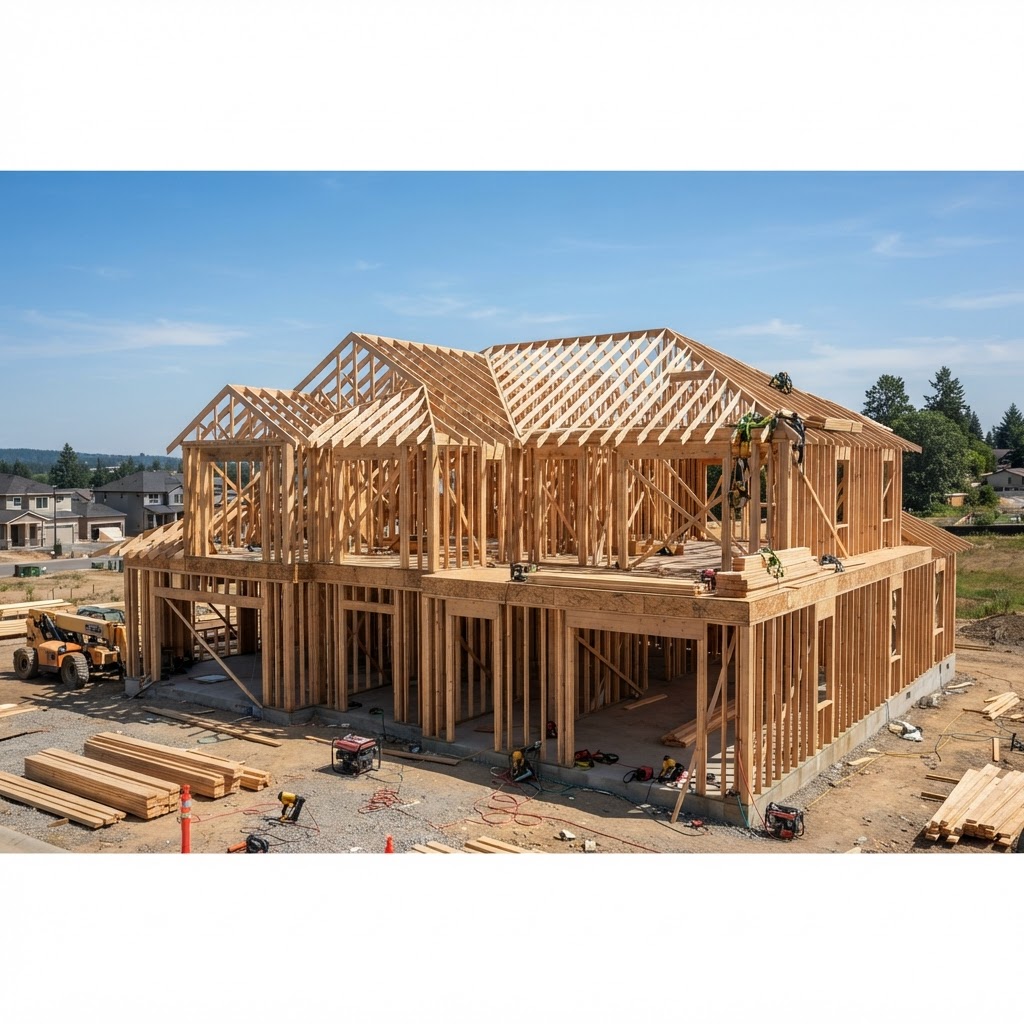
Walls: Standard 2x4 framing at 16 inches on center for sheds up to 10 feet wide. 2x6 framing for wider sheds or areas with high wind/snow loads. Use pressure-treated lumber for the bottom plate (sill plate) that contacts the foundation.
Floor: Pressure-treated 2x6 or 2x8 floor joists at 16 inches on center, supported by pressure-treated rim joists and beams. Cover with 3/4-inch T&G (tongue and groove) plywood or OSB subflooring. The entire floor frame should be pressure-treated since it's close to the ground.
Roof: 2x4 or 2x6 rafters (depending on span and snow load) at 16 or 24 inches on center. Or use manufactured trusses for wider spans. Cover with 1/2-inch OSB or plywood sheathing.
Roofing Options
Gable roof: The classic A-frame shed roof with two equal slopes meeting at a ridge. Provides the most headroom and attic/loft storage space. The most common shed roof style. Pitch: 4/12 to 8/12 (moderate to steep).
Gambrel (barn style): A double-slope roof where each side has a steep lower section and a shallower upper section. Maximizes interior volume and provides the most overhead storage. Classic barn aesthetic. Popular for storage sheds.
Lean-to (single slope): A single slope from high wall to low wall. The simplest roof to build. Works well for sheds attached to a house or fence. Limited headroom on the low side.
Roofing material: Asphalt shingles (most popular — matches the house, 20–30 year lifespan). Metal roofing (durable, long-lasting, modern look). Roll roofing (cheapest option, 10–15 year lifespan, best for low-slope roofs).
Siding Options
T1-11 (textured plywood): The most popular shed siding. 4x8 sheets of textured plywood with grooves every 4 or 8 inches. Affordable, quick to install, and provides structural sheathing + siding in one product. Paint or stain for longevity. Cost: $25–$45 per 4x8 sheet.
LP SmartSide: Engineered wood siding treated with zinc borate for rot and termite resistance. Available in panels, lap siding, and trim. More durable than T1-11 with better warranties. Cost: $30–$60 per panel.
Vinyl siding: Low maintenance but requires separate structural sheathing underneath. More complex to install but never needs painting. Matches houses with vinyl siding.
Board and batten: Vertical boards with narrow battens covering the joints. Traditional farmhouse/barn aesthetic. Uses 1x8 or 1x10 boards with 1x2 or 1x3 battens. Cedar is preferred for its natural rot resistance.
Permits and Setbacks
Most municipalities require a building permit for sheds over a certain size (commonly 120–200 sq ft, varies by jurisdiction). Setback requirements dictate how far the shed must be from property lines (typically 3–5 feet from side and rear property lines). Height restrictions may also apply. Always check local building codes and HOA rules before starting construction. Building without a required permit can result in fines and forced removal.
Frequently Asked Questions
Lumberama Editorial Team
Outdoor Building & Construction Specialists
Contributor to Lumberama’s reference library. Read our editorial standards and source methodology.
Framing and structure resources
Where readers of this article usually go next.
Related Articles
Pressure Washing Guide: Cost, Tips & What to Clean
Restore your home's exterior with pressure washing.
Arbor & Trellis Guide: Types, Cost & DIY Ideas
Add vertical beauty to your garden.
Screen Porch Guide: Types, Cost & Design Ideas
Enjoy the outdoors without bugs.