What a Retaining Wall Does
A retaining wall holds back soil on a slope, creating level surfaces. Without a retaining wall, slopes erode, patios shift, and foundations can be damaged by lateral soil pressure. Retaining walls are used to: create level yard areas on sloped lots, prevent hillside erosion, protect foundations from soil pressure, build raised garden beds and terraced landscapes, and add usable outdoor living space.
Types
Interlocking concrete block: The most popular DIY material. Blocks interlock without mortar. Segmental retaining wall (SRW) systems include gravity blocks that step back as they go up. Brands: Allan Block, Versa-Lok, Belgard, Pavestone. Cost: $10-$25/sq ft of wall face. Best for: walls under 4 feet (DIY).
Natural stone: Fieldstone, limestone, sandstone, or granite. Beautiful and timeless. Irregular shapes require skilled installation. Cost: $15-$40/sq ft. Best for: decorative walls and high-end landscaping.
Poured concrete: Strongest material. Used for structural walls (commercial, highway, and tall residential). Can be formed in any shape. Cost: $20-$40/sq ft. Best for: walls over 4 feet and heavy loads (driveways, parking).
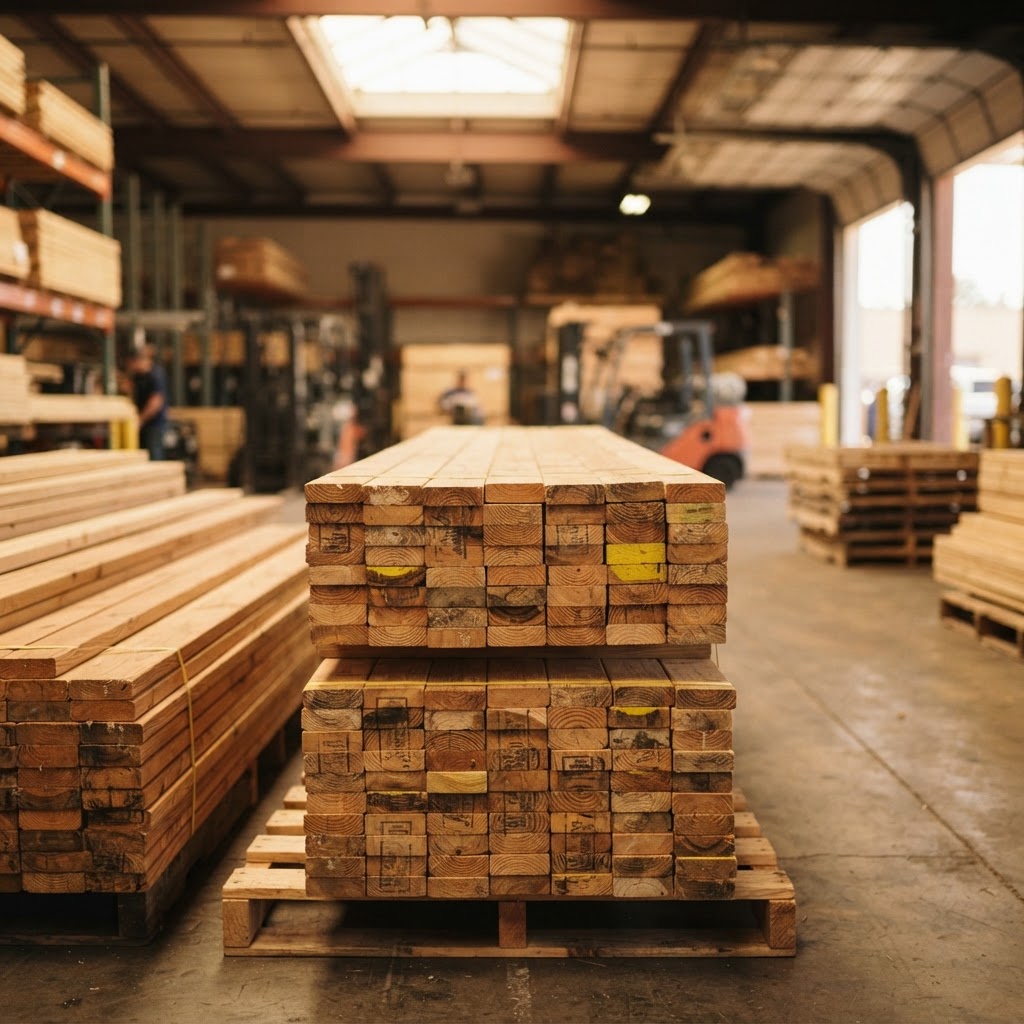
Timber (landscape timbers or railroad ties): 6x6 pressure-treated timbers stacked and pinned with rebar. Cost: $10-$20/sq ft. Lifespan: 15-20 years (shorter than stone or concrete). Best for: garden beds and short walls (under 3 feet).
Boulder: Large natural rocks stacked or placed with machinery. Rustic, natural appearance. Cost: $15-$35/sq ft. Best for: natural-looking retaining in rural or wooded settings.
Gabion: Wire mesh cages filled with rocks. Modern industrial aesthetic. Cost: $10-$25/sq ft. Best for: commercial, erosion control, and contemporary landscaping.
Engineering
Walls over 4 feet tall require engineering in most jurisdictions. Key engineering concepts:
Gravity walls: Use their own weight to resist soil pressure. No reinforcement needed for walls under 3-4 feet.
Reinforced walls: Include geogrid (a fabric mesh) layered into the soil behind the wall. The geogrid ties the wall to a large mass of soil, creating a reinforced earth structure. Required for walls over 4 feet.
Drainage: The most critical element. Water behind a retaining wall creates hydrostatic pressure (which doubles or triples the force on the wall). Every retaining wall needs: gravel backfill (12-18 inches behind the wall), a drain pipe at the base (perforated 4-inch pipe), and weep holes or drain exits.
Base: A compacted gravel base (6-8 inches deep, extending 6 inches beyond the wall) is essential. The base must be level. An unlevel base causes a leaning wall.
Costs
Per square foot of wall face: Interlocking block: $10-$25. Timber: $10-$20. Natural stone: $15-$40. Poured concrete: $20-$40. Boulder: $15-$35. Gabion: $10-$25.
Typical project costs: Small garden wall (3 ft tall x 20 ft long = 60 sq ft): $600-$1,500 (DIY block). Medium wall (4 ft x 40 ft = 160 sq ft): $2,500-$6,000 (professional block). Large wall (6 ft x 50 ft = 300 sq ft): $6,000-$15,000 (professional, engineered).
Engineering: Structural engineer: $500-$1,500. Permit: $200-$500. Required for walls over 4 feet in most areas.
DIY savings: Materials are 30-50% of professional installed cost. DIY is realistic for walls under 3-4 feet using interlocking block.