Patio Paver Guide: Materials, Patterns, Installation & Costs
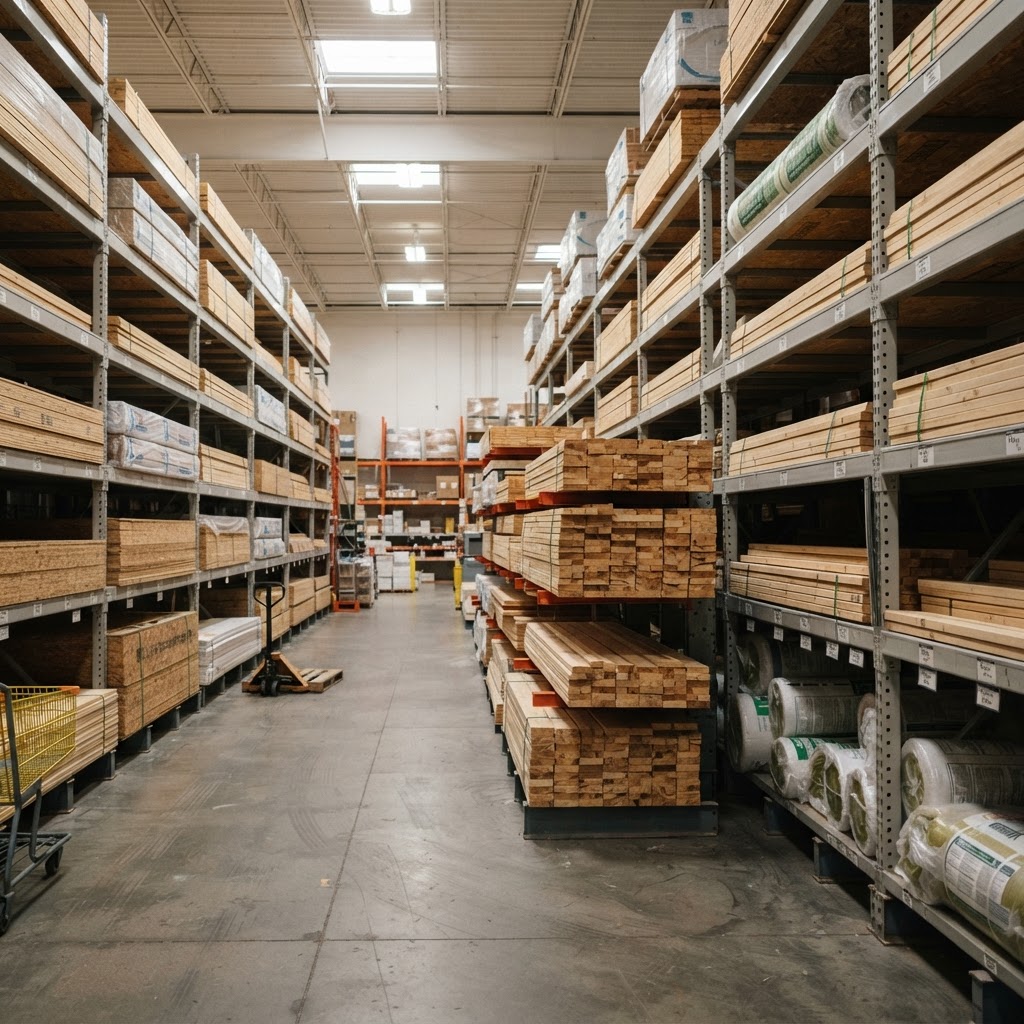
Paver Materials
Concrete pavers: The most popular and versatile option. Manufactured in a wide range of colors, shapes, and textures. Very durable (8,000+ PSI compressive strength). Uniform sizing for easy installation. $3-$8 per sq ft for materials. Brands: Belgard, Tremron, Pavestone, Techo-Bloc.
Brick pavers: Classic clay brick look. Traditional, warm appearance. Naturally fade-resistant (color goes all the way through). Limited color range (reds, browns, tans). $4-$10 per sq ft. More prone to chipping than concrete.
Natural stone: Flagstone, bluestone, travertine, granite, slate. Unique natural appearance. Each piece is different. Higher cost and more complex installation. Flagstone: $5-$15/sq ft. Bluestone: $8-$20/sq ft. Travertine: $5-$15/sq ft.
Porcelain pavers: Extremely durable. Non-porous (won't stain). Frost-resistant. Modern look. Thinner than concrete pavers (requires careful base preparation). $8-$15 per sq ft. Growing in popularity.
Popular Patterns
Running bond: Offset rows like a brick wall. Classic and easy to install. Works with rectangular pavers.
Herringbone: 45 or 90-degree zigzag pattern. Very stable (interlocks well). Best for driveways and high-traffic areas. Requires more cutting at edges.
Basketweave: Pairs of pavers alternating horizontal and vertical. Traditional look. Easy to lay.
Ashlar/random: Mix of sizes in a repeating or random pattern. Natural stone look. More complex but visually interesting.
Circular/fan: Radiating pattern from a center point. Dramatic focal point. Complex layout requiring experienced installation.
Base Preparation
The base is the most important part of a paver installation. A proper base prevents settling, shifting, and drainage issues.
1. Excavation: Dig 7-9 inches below finished grade (4-6" gravel base + 1" sand + paver thickness). Ensure proper slope for drainage (1% away from the house = 1/8" per foot).
2. Compacted gravel base: 4-6 inches of crushed gravel (3/4" minus or road base). Compact in 2-inch layers with a plate compactor. This provides structural support and drainage.
3. Sand bedding layer: 1 inch of coarse, angular sand (concrete sand, NOT play sand). Screed to a uniform thickness using pipes or rails as guides.
4. Edge restraint: Plastic paver edging (snap-edge) or concrete border to prevent pavers from shifting outward. Secured with 10-inch spikes every 12 inches. Critical for long-term stability.
Installation Steps
- Plan and layout (mark area with stakes and string).
- Excavate to proper depth.
- Install gravel base in layers, compacting each.
- Screed sand bedding layer.
- Lay pavers in chosen pattern (start from a corner, work outward).
- Cut edge pavers with a wet saw or splitter.
- Install edge restraints.
- Spread polymeric sand into joints and activate with water.
- Final compaction with plate compactor (using a rubber pad to protect pavers).
Polymeric Sand
Specially engineered sand that hardens when activated with water. Fills joints between pavers. Prevents weed growth, ant hills, and washout. Allows water drainage. Must be applied correctly (sweep into joints, blow off surface, mist with water). Reapply every 3-5 years. $20-$30 per 50lb bag (covers 30-50 sq ft).
Costs
Concrete pavers (DIY): $5-$12 per sq ft (materials + base).
Concrete pavers (professional): $12-$25 per sq ft installed.
Brick pavers (professional): $14-$30 per sq ft installed.
Natural stone (professional): $20-$50 per sq ft installed.
Typical 300 sq ft patio (professional, concrete pavers): $3,600-$7,500.
Typical 300 sq ft patio (DIY): $1,500-$3,600.
Frequently Asked Questions
Lumberama Editorial Team
Hardscape Design & Outdoor Living Specialists
Contributor to Lumberama’s reference library. Read our editorial standards and source methodology.
Explore related resources
Where readers of this article usually go next.
Related Articles
Outdoor Lighting Guide: Types, Cost & Ideas
Transform your landscape and improve safety with outdoor lighting.
Raised Garden Bed Guide: How to Build, Cost & Ideas
Grow more with less effort using raised garden beds.
Landscape Lighting Guide: Types, Cost & Installation Tips
Design your outdoor lighting for security, safety, and curb appeal.