Lumber Prices Forecast 2026: What to Expect and When to Buy
Lumber Prices Forecast 2026: What to Expect and When to Buy
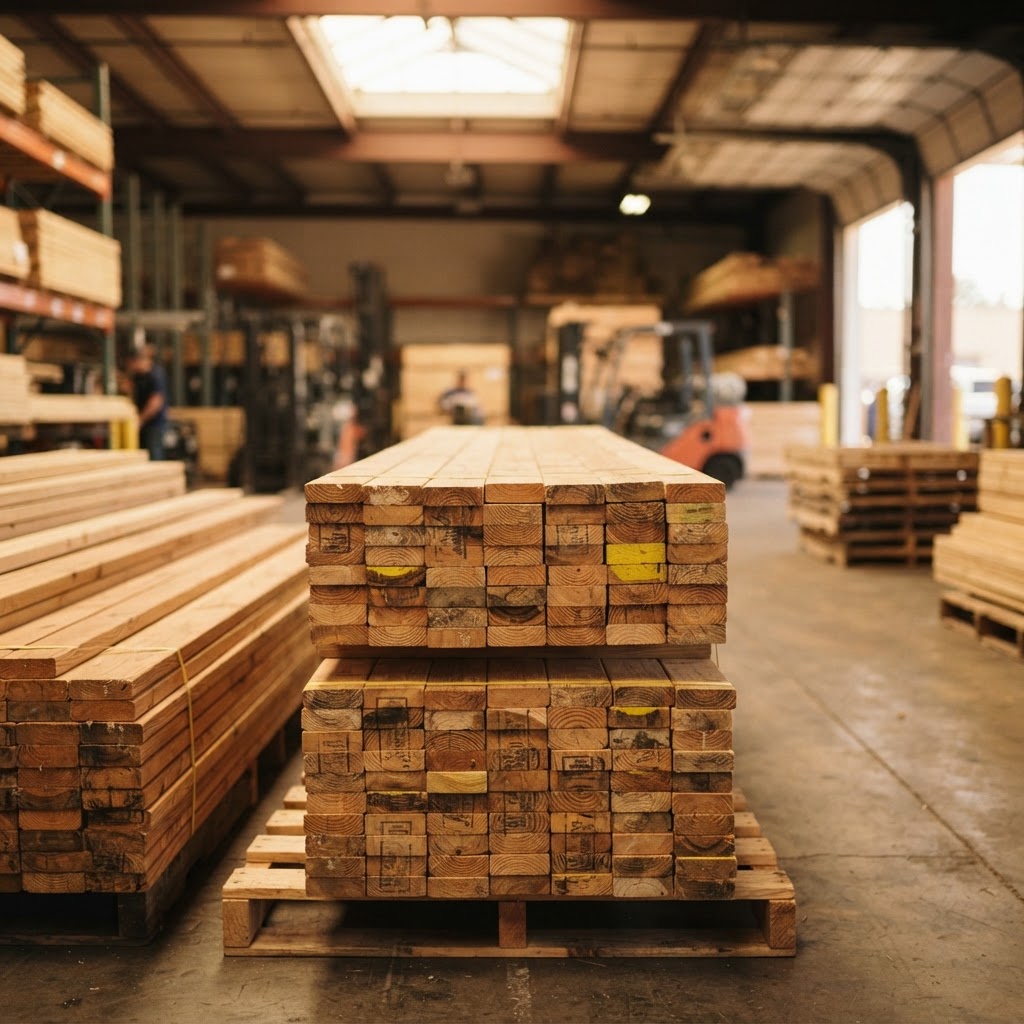
Lumber prices affect every construction project — from a weekend deck to a new home. The dramatic swings of 2021 (when framing lumber hit nearly $1,700/thousand board feet) taught the industry painful lessons. Here's what 2026 looks like and how to plan around it.
2025–2026 Market Context
- Lumber prices in 2025 settled into a more stable range after the volatility of 2020–
- 2
- 0
- 2
- Several factors are keeping prices elevated compared to pre-pandemic levels:
Supply factors:
- Canadian timber supply constraints from mountain pine beetle damage to BC interior forests
- US-Canada softwood lumber trade dispute tariffs (ongoing, fluctuating between 5–25%)
- Mill capacity reductions in 2023–2024 that take 12–24 months to reverse
- Wildfires impacting Pacific Northwest and Canadian timber supply regions
Demand factors:
- Residential construction activity tied to mortgage rates
- Government infrastructure spending on highway and bridge projects consuming significant lumber
- Industrial and commercial construction recovery
- DIY demand remains elevated post-pandemic
2026 Pricing Projections by Product
Framing Lumber (SPF, HEM-FIR, SYP 2x4-2x12)
Current range (Q1 2026): $380–$520/MBF (thousand board feet)
2026 forecast: Modest upward pressure in spring building season (March–May), potential softening in late summer if housing starts remain below 2022 levels.
Retail translation: A 2x4x8 framing stud currently costs $4.20–$5.80 at retail. Expect this range to hold through mid-2026, with potential 5–10% increases in spring.
Cedar and Premium Species
Cedar pricing is influenced more by specific Pacific Northwest timber supply than framing lumber markets. Western red cedar has seen consistent price increases as supply tightens.
Current range: 1x6 cedar fence boards: $1.40–$2.20/LF depending on region
2026 outlook: Stable to slightly increasing. Cedar's premium over pine has widened and is unlikely to narrow significantly.
Pressure-Treated Lumber
PT pricing tracks SYP (Southern Yellow Pine) framing lumber closely.
Current range: 5/4x6x16 PT deck boards: $2.80–$3.80 each
2026 outlook: Stable. SYP supply from the Southeast US is more consistent than Pacific Northwest species.
Sheet Goods (Plywood, OSB)
Plywood and OSB experienced the most dramatic 2021 spike (OSB hit $70+/sheet) and have since returned to more normal ranges.
Current range (Q1 2026):
- 7/16" OSB: $22–28/sheet
- 3/4" T&G subfloor plywood: $52–68/sheet
- 1/2" CDX plywood: $38–48/sheet
2026 outlook: OSB likely to increase 8–15% in spring as housing starts pick up. Plywood more stable due to broader supply chain.
Seasonal Price Patterns
Lumber follows a fairly consistent seasonal pattern:
January–February: Lowest prices of the year. Demand is minimal, mills are running but builders are slowed by weather. Best buying window for non-urgent projects.
March–May: Spring building season drives highest demand. Prices typically peak. Increases of 10–20% vs. winter lows are common.
June–August: Moderates from spring peak. Still elevated but not the extreme of spring.
September–November: Second-best buying window. Projects are winding down, prices typically drop.
December: Second price low as year-end slowing hits.
2026 recommendation: If you're planning a spring or summer deck or construction project, buy lumber in January–February and store it properly. You can typically save 10–25% vs. peak spring prices.
How to Lock In Prices
Call for Quotes
For large projects (5,000+ board feet), call local lumber yards directly and ask for a quote. Many yards will hold prices for 30–60 days on large orders.
Buy in Bulk
Lumber yards typically offer 10–20% discounts for full-unit (bundle) purchases vs. pulling individual pieces. A bundle of 2x4x8 studs is typically 208-piece (around $800–$1,000). Not practical for everyone, but worth asking about.
Monitor Online Marketplaces
Random Lengths is the industry benchmark publication for lumber prices. Their weekly price reports give you insight into where prices are heading so you can time purchases.
Local Sawmill Direct Purchase
For specialty lumber (cedar, hardwoods), local sawmills often sell direct to consumers at 20–40% below retail. The trade-off is less consistency in grading and you may need to allow air-drying time.
What's Driving Cedar Prices Specifically
For those building fences, decks, or doing finish work, cedar deserves special attention:
- Western red cedar comes primarily from BC, Canada and the Pacific Northwest
- Mountain pine beetle killed enormous swaths of BC interior forests, but WRC grows in different zones
- BC environmental logging restrictions have reduced available old-growth WRC significantly
- True old-growth cedar (tight-grained, naturally stable) is increasingly scarce
- Second-growth cedar is more available but has wider grain, more knots, and slightly less rot resistance
Recommendation: If cedar is in your long-term plans, buy more than you need when you find quality material at a good price. Cedar stores well with proper stickering.
The Tariff Wild Card
- US-Canada softwood lumber tariffs have been politically volatile since
- 2
- 0
- 1
- The current rate is subject to periodic redetermination. A significant tariff increase (from current ~14% to 20%+) would cause an immediate 5–10% retail price increase for SPF lumber. Monitor trade news if you have large projects planned.
Frequently Asked Questions
David Kim
Sustainability Expert
Contributor to Lumberama’s reference library. Read our editorial standards and source methodology.
Framing and structure resources
Where readers of this article usually go next.
Related Articles

New Building Code Changes for Residential Construction 2026: What Homeowners and Builders Need to Know
Building codes update on a 3-year cycle, and the 2024 International Residential Code — now being adopted by states through 2026 — includes meaningful changes to deck construction, energy efficiency, and structural framing that affect both DIYers and contractors.
Understanding FSC Certified Wood Products: What the Label Really Means
The FSC label on wood products claims environmental and social responsibility, but many buyers don't know what it actually certifies or how to verify it. This guide explains the three types of FSC claims, chain of custody requirements, and how to spot greenwashing.
Sustainable Forestry Practices Explained: How Responsible Logging Works
Sustainable forestry is more than a marketing label — it's a science-based set of practices that manage forests for long-term productivity. This guide explains what the terms actually mean, which certifications matter, and how to identify genuinely responsible lumber purchases.