Article
Outdoor Living
Fire Pit Guide: Types, Materials & Safety
Lumberama Editorial Team, Outdoor Living & Fire Feature Specialists Sep 8, 2026 11 min read
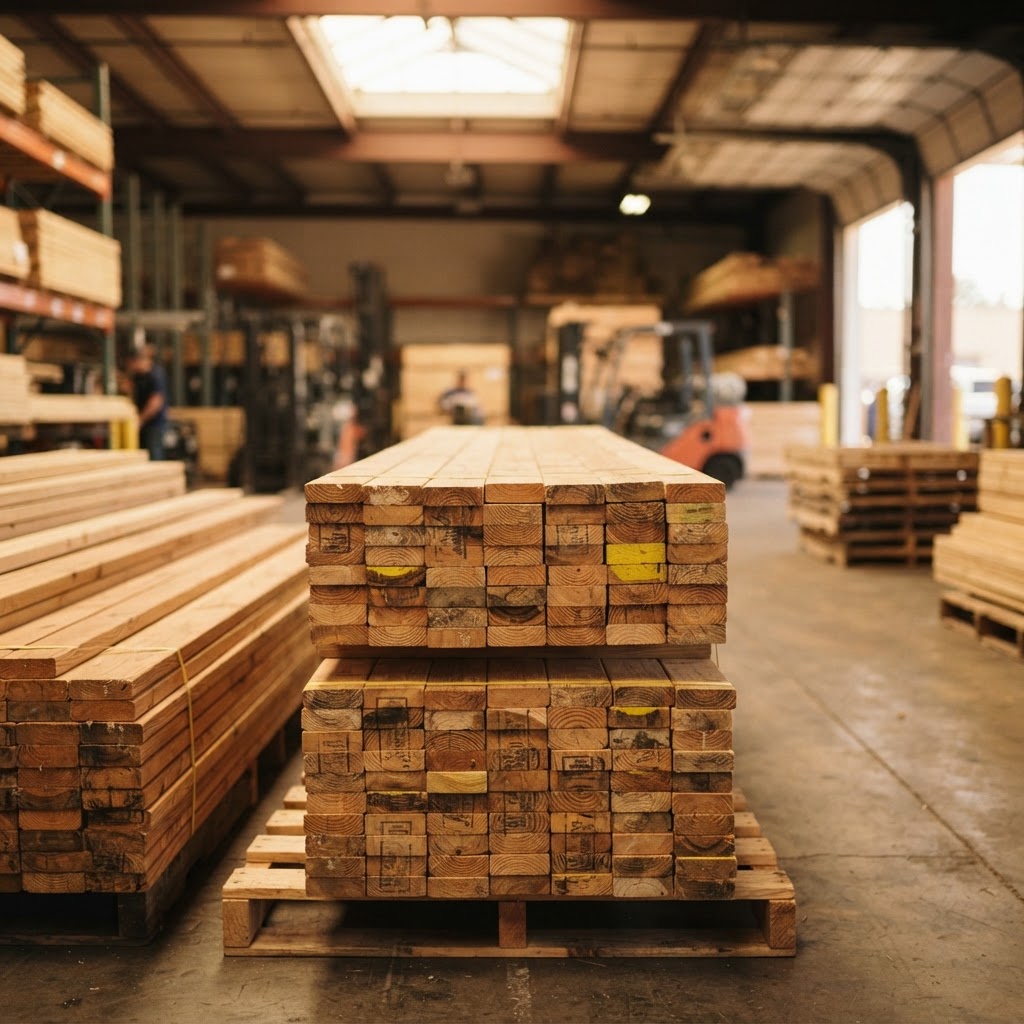
Fire Pit Types
Wood-burning: The classic campfire experience. Burns real wood for authentic flames, crackling sounds, and smoky aroma. Types: metal bowl/ring ($50-$500), stone/brick built-in ($500-$3,000), and prefab concrete ($200-$1,000). Pros: authentic experience, no fuel costs (if you have wood), and intense heat. Cons: smoke (can bother neighbors), sparks (fire risk), ash cleanup, and cannot use during burn bans.
Gas (propane or natural gas): Clean, convenient flames at the push of a button. Types: gas fire pit table ($300-$3,000), built-in gas fire pit ($1,000-$5,000), and portable gas fire pit ($100-$800). Propane: portable, uses 20-lb tanks. Natural gas: permanent connection, unlimited fuel. Pros: no smoke, no sparks, instant on/off, adjustable flame, and no ash cleanup. Cons: less heat than wood, no authentic crackling, and fuel costs ($1-$3/hour for propane).
Gel/ethanol: Tabletop or small fire features. Clean-burning alcohol fuel. Decorative rather than functional heating. Cost: $50-$500. Pros: no installation, no smoke, and can use indoors. Cons: minimal heat and high fuel cost.
Materials
Steel: Most common for portable fire pits. Corten (weathering) steel develops a natural rust patina. Powder-coated steel resists rust but will eventually chip. Cost: $100-$1,000. Lifespan: 5-15 years.
Cast iron: Heavy, durable, and retains heat well. Requires maintenance (seasoning to prevent rust). Cost: $200-$800. Lifespan: 10-20+ years.
Concrete/stone: For built-in fire pits. Use fire-rated concrete or natural stone. Do NOT use river rocks (they can explode from trapped moisture). Fire brick lines the interior. Cost: $500-$5,000. Lifespan: 20+ years.
Copper: Premium look, develops a green patina over time. Excellent heat conductor. Cost: $200-$2,000. Lifespan: 20+ years.
Fire glass: Tempered glass pieces that replace logs in gas fire pits. Reflective and colorful. Cost: $10-$30 per pound (most pits need 20-40 lbs). Purely decorative (works only with gas).
Safety
Location: Place at least 10 feet from any structure, fence, tree, or overhead branch. 20 feet is recommended. On a non-combustible surface (concrete, stone, gravel, bare dirt). Never on a wood deck without a fire-rated pad underneath. Check local fire codes (many areas have setback requirements).
Operation: Never use gasoline, lighter fluid, or accelerants in a wood-burning fire pit. Keep a garden hose, bucket of water, or fire extinguisher nearby. Never leave unattended. Supervise children at all times. Fully extinguish before leaving (drown, stir, and feel for heat).
Wind: Do not use when wind exceeds 15 mph. Use a spark screen on wood-burning pits.
Burn bans: Check local fire department for burn ban status. Gas fire pits are typically exempt from burn bans.
HOA/local codes: Some HOAs prohibit fire pits entirely. Check codes before building permanent structures.
Costs
Portable metal fire pit (wood-burning): $50-$500.
Portable gas fire pit (propane): $100-$800.
Gas fire pit table: $300-$3,000.
DIY stone/brick fire pit: $200-$500 (materials only).
Professional built-in fire pit: $1,000-$5,000.
Premium gas fire pit (natural gas, built-in): $3,000-$8,000.
Operating costs: Propane: $1-$3/hour ($15-$25 per 20-lb tank, lasts 8-10 hours). Natural gas: $0.50-$1.50/hour. Wood: free to $300/cord (a cord lasts many fires).
ROI: A fire pit is one of the highest-ROI outdoor investments, adding $4,000-$8,000 to perceived home value for a $500-$3,000 investment.
Frequently Asked Questions
Portable metal (wood-burning): $50-$500. Portable gas (propane): $100-$800. Gas fire pit table: $300-$3,000. DIY built-in: $200-$500. Professional built-in: $1,000-$5,000. Premium gas (natural gas): $3,000-$8,000. Best value: a DIY stone fire pit ($200-$500 in materials) is a weekend project that adds $4,000-$8,000 to perceived home value. Best convenience: a propane fire pit table ($300-$1,500) offers instant on/off with no smoke.
Wood-burning: authentic experience (real flames, crackling, smoky aroma), more heat output, and no fuel cost if you have wood. Cons: smoke, sparks, ash cleanup, and cannot use during burn bans. Gas: clean and convenient (no smoke, no sparks, instant on/off), adjustable flame, and can use during most burn bans. Cons: less heat, no authentic experience, and ongoing fuel cost ($1-$3/hour propane). Choose wood if: you want the real campfire experience and your neighbors/codes allow it. Choose gas if: you want convenience, live in an area with burn bans, or have close neighbors who would be bothered by smoke.
Minimum: 10 feet from any structure, fence, tree, or overhead branch. Recommended: 20 feet for maximum safety. Also check: local fire codes (may require more distance), HOA rules, and overhead clearance (no branches within 21 feet above). Place on non-combustible surfaces (concrete, stone, gravel). Never on a wood deck without a fire-rated pad. If using on a paver patio: place at the center away from the edges. Keep a fire extinguisher, garden hose, or bucket of water within reach at all times.
Yes, but with precautions. Concrete patio: safe for both wood-burning and gas fire pits. The concrete can discolor from heat (use a fire pit pad or heat shield underneath). Paver patio: generally safe. The pavers can discolor from heat. Use a metal ring or pad underneath. Wood deck: NOT recommended for wood-burning. Gas fire pits can be used with a fire-rated pad underneath and proper clearance. Composite deck: NOT recommended for any fire pit (composite can melt). Best practice: use a fire-rated pad ($20-$50) under any fire pit on any surface to protect against heat damage and sparks.
Lumberama Editorial Team
Outdoor Living & Fire Feature Specialists
Contributor to Lumberama’s reference library. Read our editorial standards and source methodology.
Explore related resources
Where readers of this article usually go next.
Related Articles

Outdoor Living
Outdoor Lighting Guide: Types, Cost & Ideas
Transform your landscape and improve safety with outdoor lighting.
Lumberama Editorial Team Nov 10, 2026 9 min

Outdoor Living
Raised Garden Bed Guide: How to Build, Cost & Ideas
Grow more with less effort using raised garden beds.
Lumberama Editorial Team Nov 9, 2026 10 min
Outdoor Living
Landscape Lighting Guide: Types, Cost & Installation Tips
Design your outdoor lighting for security, safety, and curb appeal.
Lumberama Editorial Team Nov 8, 2026 9 min