Best Time of Year to Buy Lumber and Save Money: Seasonal Buying Strategy
Best Time of Year to Buy Lumber and Save Money
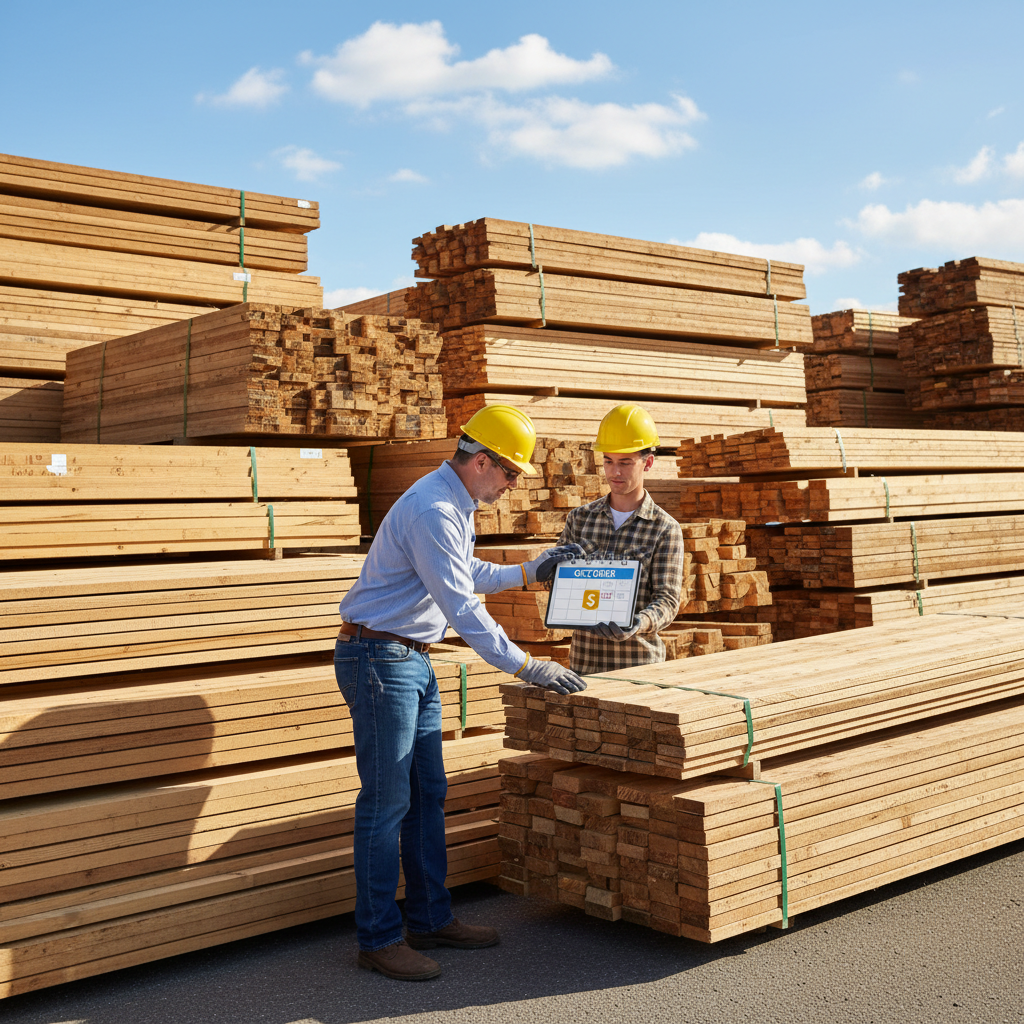
Lumber pricing follows demand cycles as predictable as the seasons themselves. Builders ramp up in spring, causing prices to rise. They slow in winter, causing prices to drop. Understanding this rhythm — and having the storage space to take advantage of it — is one of the most reliable ways to lower your project costs.
The Annual Lumber Price Cycle
January–February: The Low Season
Price relative to year average: 5–15% below average
Why: Building activity drops dramatically. Contractors are quoting spring jobs but not buying material yet. Mills are running but not selling at peak rates. Retail inventories are high relative to demand.
Best buys in Jan-Feb:
- Framing lumber (SPF studs, joists, plates)
- Pressure-treated decking and framing stock
- OSB and plywood sheathing
- Cedar in any form
Strategy: Buy your entire spring and summer project material list now. Store it properly (stickered, covered, elevated) and you'll save on the materials themselves and save time during the busy season.
March–May: The Spring Surge
Price relative to year average: 10–25% above average
Why: Every builder who has been planning all winter starts buying simultaneously. Housing permit pull activity peaks. DIYers launch weekend projects. Demand spikes faster than production can adjust.
Avoid buying: If possible, avoid buying commodity lumber (2x4s, 2x6s, OSB, plywood) in this window. If your project starts in April, material purchased in January stores fine.
Exception: If your project requires a specific material you couldn't pre-buy (large custom beam, specific decking profile), the spring premium is unavoidable.
June–August: Moderate Season
Price relative to year average: 5–10% above average
Why: Still an active building season but the initial spring surge has moderated. Some price softening from March-May peaks.
Best buys in summer: This is when to buy materials for fall and winter projects. Capture the moderate prices before next spring's surge.
September–November: The Second Value Window
Price relative to year average: At or slightly below average (0–5% below)
Why: Building season winding down. Contractors trying to close out season. Retailers preparing for slow winter and reducing inventory. Not as deep a discount as January-February but better than spring.
Best buys in fall: Cedar specifically tends to see good value in September-October as dealers clear seasonal inventory. This is an excellent time to buy cedar for fence or deck projects planned for next year.
December: Year-End Window
Price relative to year average: 5–10% below average
Why: Sales activity drops. Year-end inventory clearance at many dealers. Contractors are slow.
Best buys in December: Similar to January-February. This is when to buy for next year's projects.
Species-Specific Buying Calendars
Framing Lumber (SPF, HEM-FIR)
Best months: January, February, December
Worst months: March, April, May
Savings potential: 15–25% buying Jan vs. April
Cedar (Fencing, Decking, Trim)
Best months: November, December, January
Worst months: April, May, June
Savings potential: 10–20%
Cedar has slightly different seasonality than framing lumber because it's used heavily for decking (a spring project) and fencing (spring and fall). October-November offers the best combination of good availability and lower demand.
Pressure-Treated Lumber
Best months: January, February
Worst months: April, May
Savings potential: 10–20%
PT lumber follows the same spring surge as standard dimensional lumber. The premium is especially pronounced in 5/4 decking as spring deck-building season kicks off.
Hardwood Lumber
Seasonality: Less pronounced than framing lumber. Hardwood dealers are less influenced by construction seasons and more by furniture, cabinet, and flooring industry activity.
Best buys: End of calendar year (December-January) when dealers are clearing inventory for tax purposes. Individual dealers may run sales at various times — building relationships with local hardwood dealers pays off in advance notice of sales.
Sheet Goods (Plywood, OSB)
Best months: January, February, November
Worst months: March, April, May
Savings potential: 15–25%
OSB is extremely volatile — the largest price swings in the lumber market. A 4x8 sheet of 7/16" OSB that costs $24 in January might cost $32 in April. Buying a full pallet in the off-season is a meaningful savings for any project using substantial quantities.
Practical Storage Tips for Pre-Buying
To take advantage of off-season pricing, you need to store lumber properly:
For framing lumber:
- Elevate off the ground (sawhorses, pallets)
- Sticker between each layer for air circulation
- Cover from rain and direct sun
- A garage or covered carport is ideal
- Well-ventilated storage prevents mold on green lumber
For sheet goods:
- Store flat on a level surface
- Keep dry — OSB especially cannot get wet (permanent edge swelling)
- Don't store vertically unless truly 90-degrees plumb
For cedar and hardwood:
- Same stickering rules as framing lumber
- Cedar can tolerate outdoor covered storage well
- Hardwoods should be stored in climate-controlled space if possible
Other Money-Saving Strategies Year-Round
Buy full units: A bundle of 2x4x8 studs (typically 208-piece) is consistently 10–20% less per piece than pulling individuals. Call your local lumber yard for bundle pricing.
Negotiate: Unlike big box stores, local lumber yards often negotiate on large orders. A $2,000+ order is worth asking for a discount. Many yards will match competitor pricing or offer a loyalty discount.
Watch for sales: Lumber yards rarely advertise sales like retail stores do. Call your local yard and ask to be notified when they're running promotions or clearing inventory.
Consider mill direct: For specialty or high-volume orders, buying direct from a regional mill eliminates one layer of markup. Minimum order quantities are higher but savings can be significant.
Frequently Asked Questions
David Kim
Sustainability Expert
Contributor to Lumberama’s reference library. Read our editorial standards and source methodology.
Explore related resources
Where readers of this article usually go next.
Related Articles
Caulking Guide: Types, Application & Maintenance
Seal gaps and prevent water damage with this comprehensive caulking and sealant guide.

Grout Guide: Types, Colors & Maintenance
Choose and maintain the right grout for your tile with this comprehensive grout guide.
Deck Staining Guide: Products, Techniques & Cost
Protect and beautify your deck with this comprehensive deck staining guide.