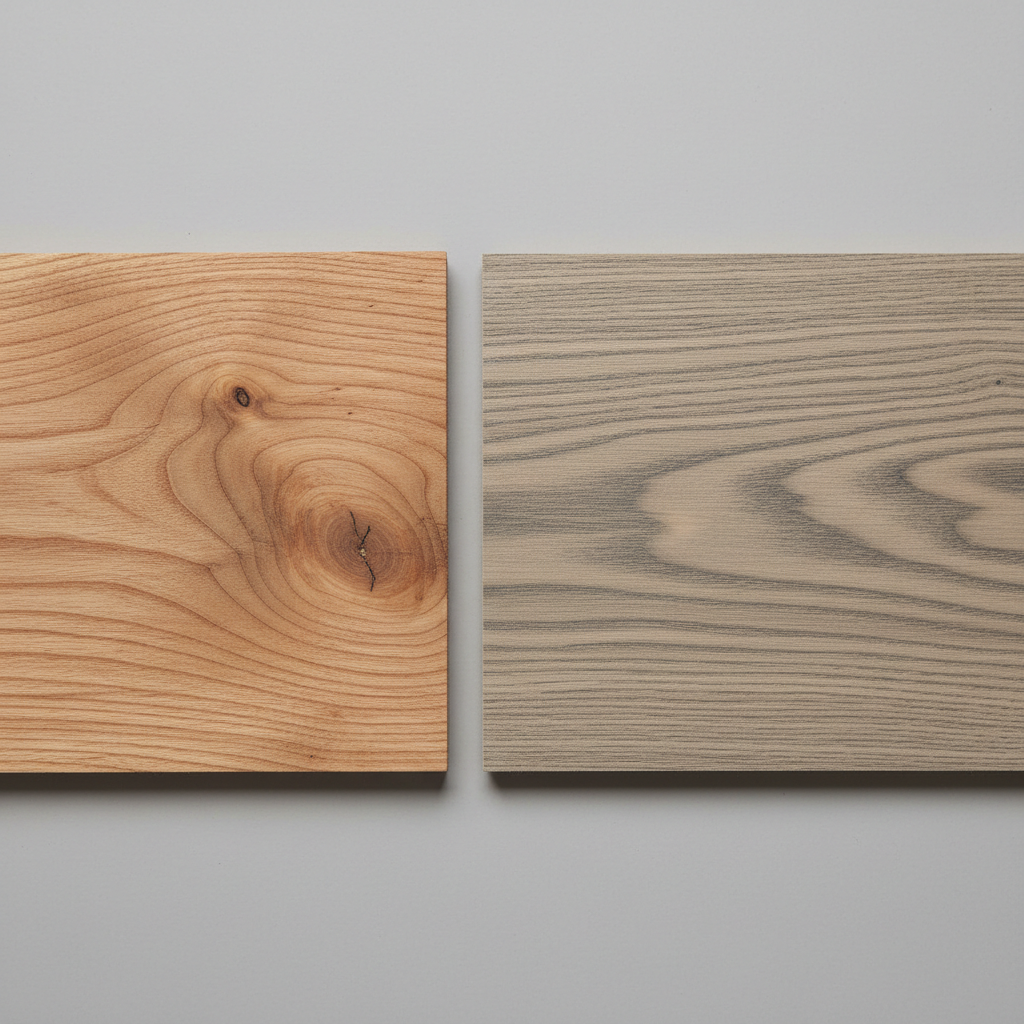
Wood vs Vinyl Soffit: 2026 Complete Comparison (2026)
Soffits protect the underside of your roof overhang and play a critical role in attic ventilation. Wood soffits offer a traditional look with natural beauty, while vinyl soffits deliver maintenance-free durability at a lower cost. This comparison covers performance, aesthetics, ventilation, and long-term value for both soffit materials.
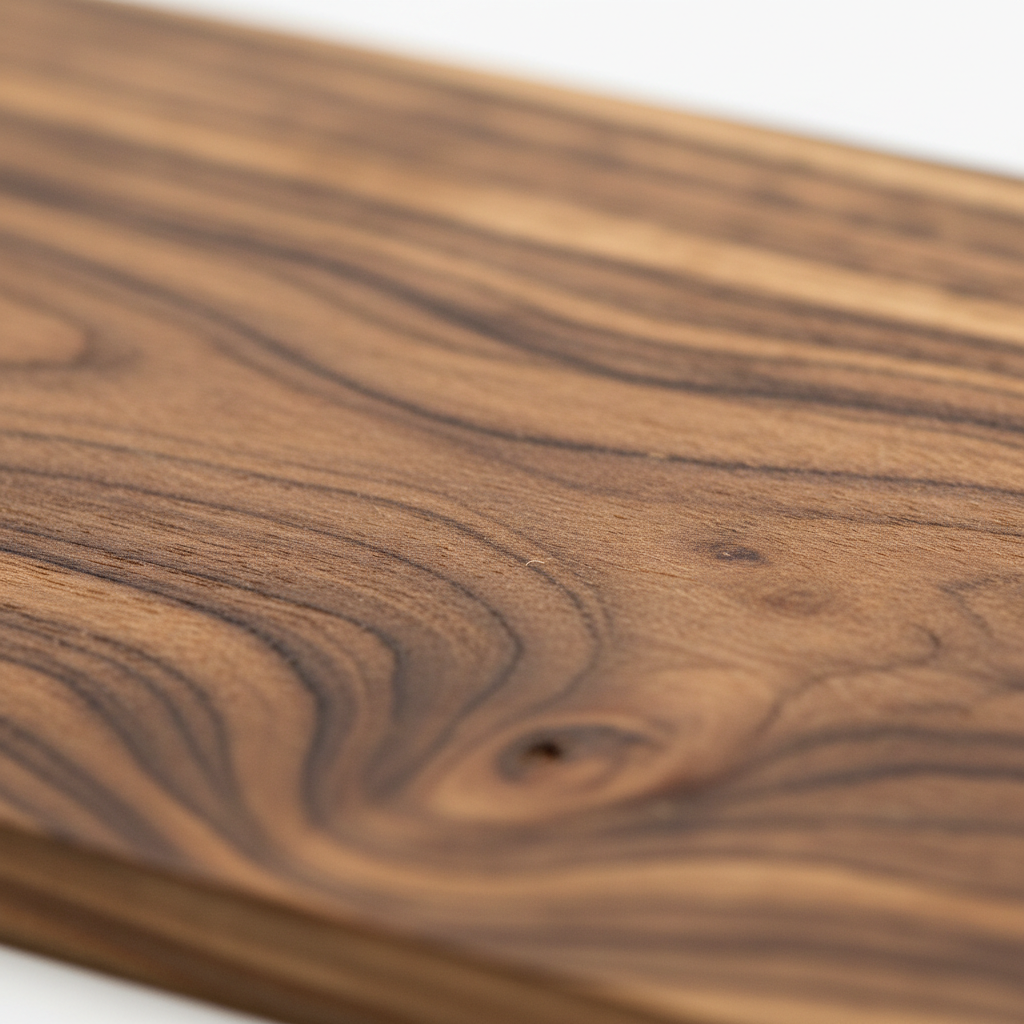
Wood
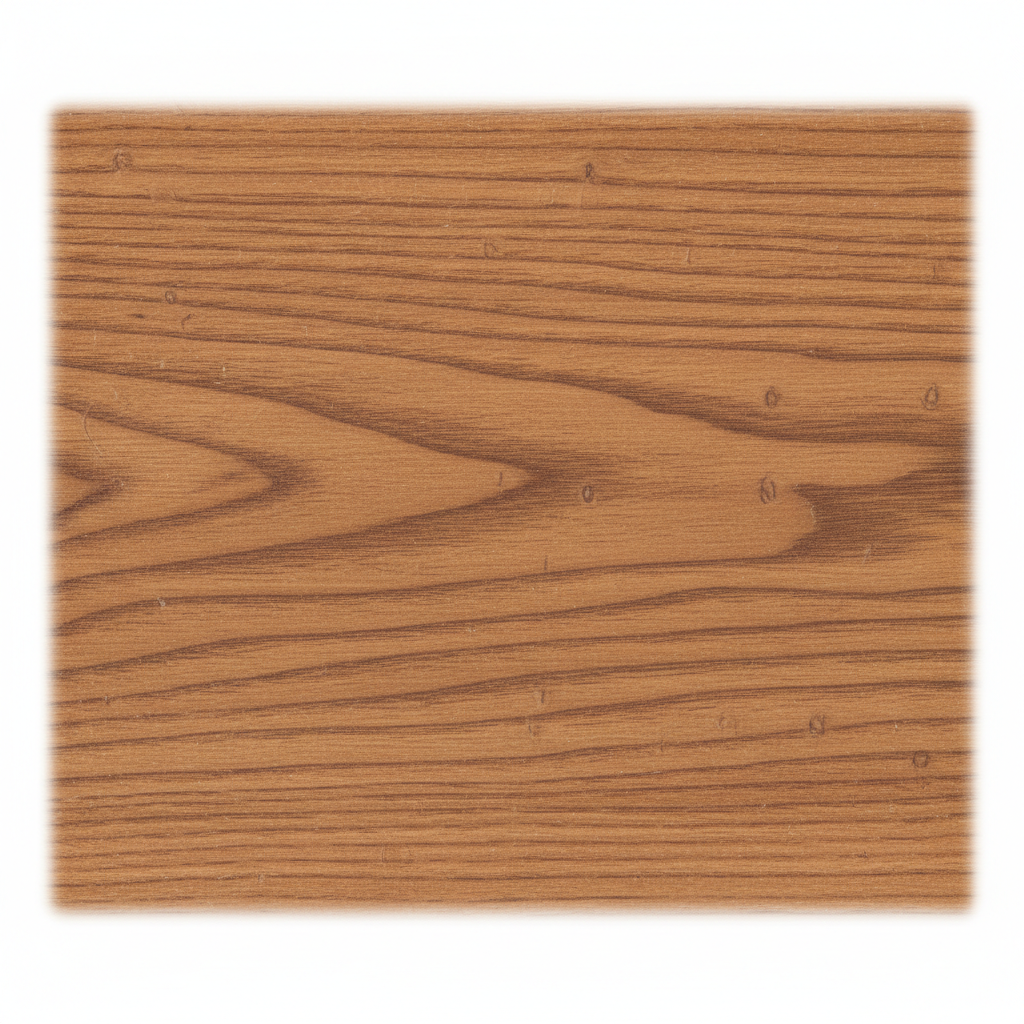
Vinyl
Key Takeaways
- Soffits protect the underside of your roof overhang and play a critical role in attic ventilation.
- Wood soffits offer a traditional look with natural beauty, while vinyl soffits deliver maintenance-free durability at a lower cost.
- This comparison covers performance, aesthetics, ventilation, and long-term value for both soffit materials.
- Vinyl soffit is the practical choice for most homes — it costs less, lasts longer, requires no maintenance, and provides built-in attic ventilation.
- Wood soffits are worth the premium only for historic restorations or high-end homes where authentic wood character is essential to the architecture.
| Property | Wood | Vinyl |
|---|---|---|
| Maintenance | Repaint every 5–7 years | None — wash occasionally |
| Ventilation Options | Separate vents needed | Built-in perforated panels |
| Avg Cost (Installed/LF) | $6–12 | $4–8 |
| Appearance | Natural wood character | Clean, uniform |
| Lifespan | 20–30 years with maintenance | 30–50+ years |
| Pest Resistance | Low — attracts woodpeckers, bees | Excellent — pest-proof |
Wood
Pros
- Authentic natural appearance suits traditional homes. Can be painted any color for exact matching. Solid wood has a premium look and feel. Easy to repair individual boards.
Cons
- Requires periodic repainting to prevent rot. Attracts woodpeckers, carpenter bees, and wasps. More expensive to install. Will rot if paint fails and moisture enters.
Vinyl
Pros
- Zero maintenance — never needs painting. Built-in ventilation perforations available. Pest-proof — no woodpecker or insect issues. More affordable than wood.
Cons
- Can look cheap on upscale homes. Limited color options compared to paint. Can warp or sag in extreme heat. Difficult to match colors over time for repairs.
Best Use Cases
Choose Wood soffits for historic homes, high-end custom builds, and situations where matching existing wood exterior elements is important. Choose Vinyl for most residential applications where low maintenance, pest resistance, and integrated ventilation are priorities.
Verdict
Vinyl soffit is the practical choice for most homes — it costs less, lasts longer, requires no maintenance, and provides built-in attic ventilation. Wood soffits are worth the premium only for historic restorations or high-end homes where authentic wood character is essential to the architecture.