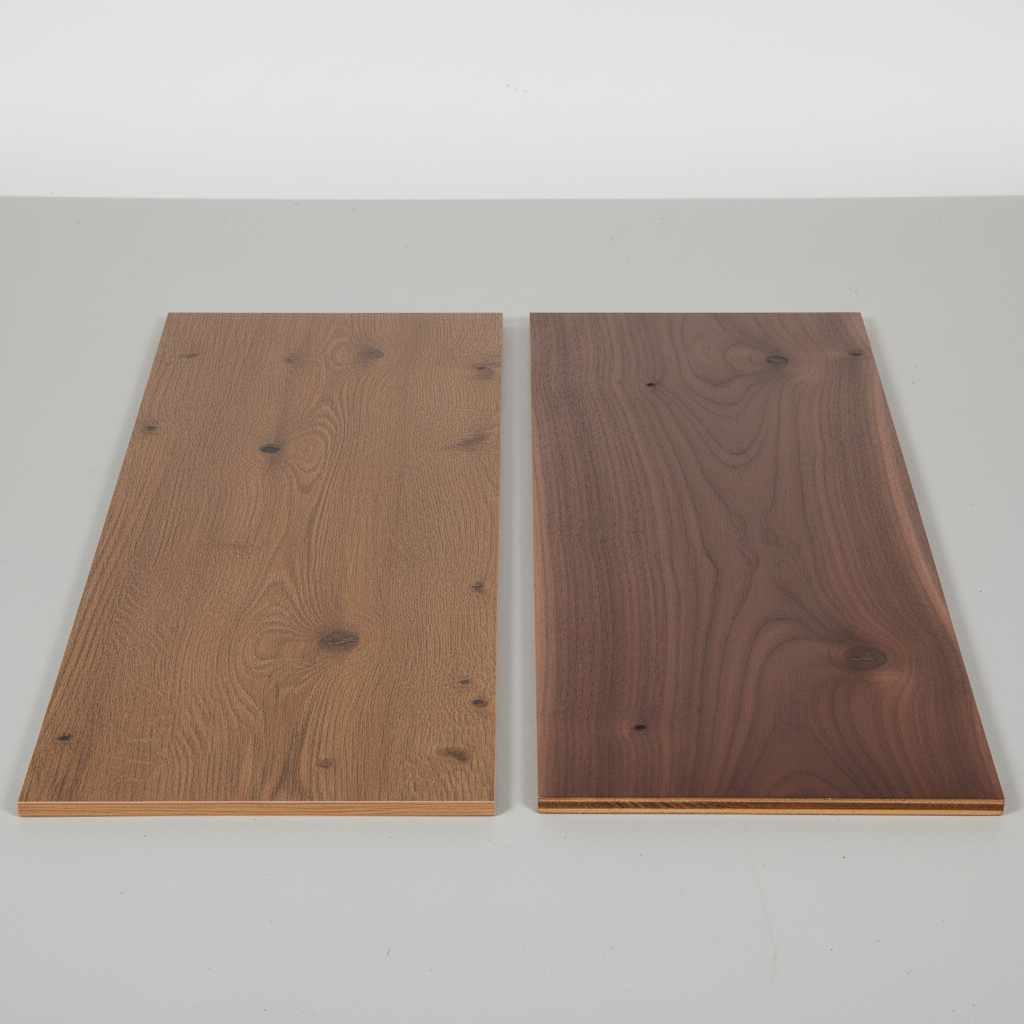
Vinyl Plank vs Engineered Hardwood: Compare Specific Products (2026)
Choose between specific flooring products, not category-wide promises. Start with the room, subfloor and moisture conditions, then compare the installation instructions, appearance, repair options and complete installed quotes for the products on your shortlist.
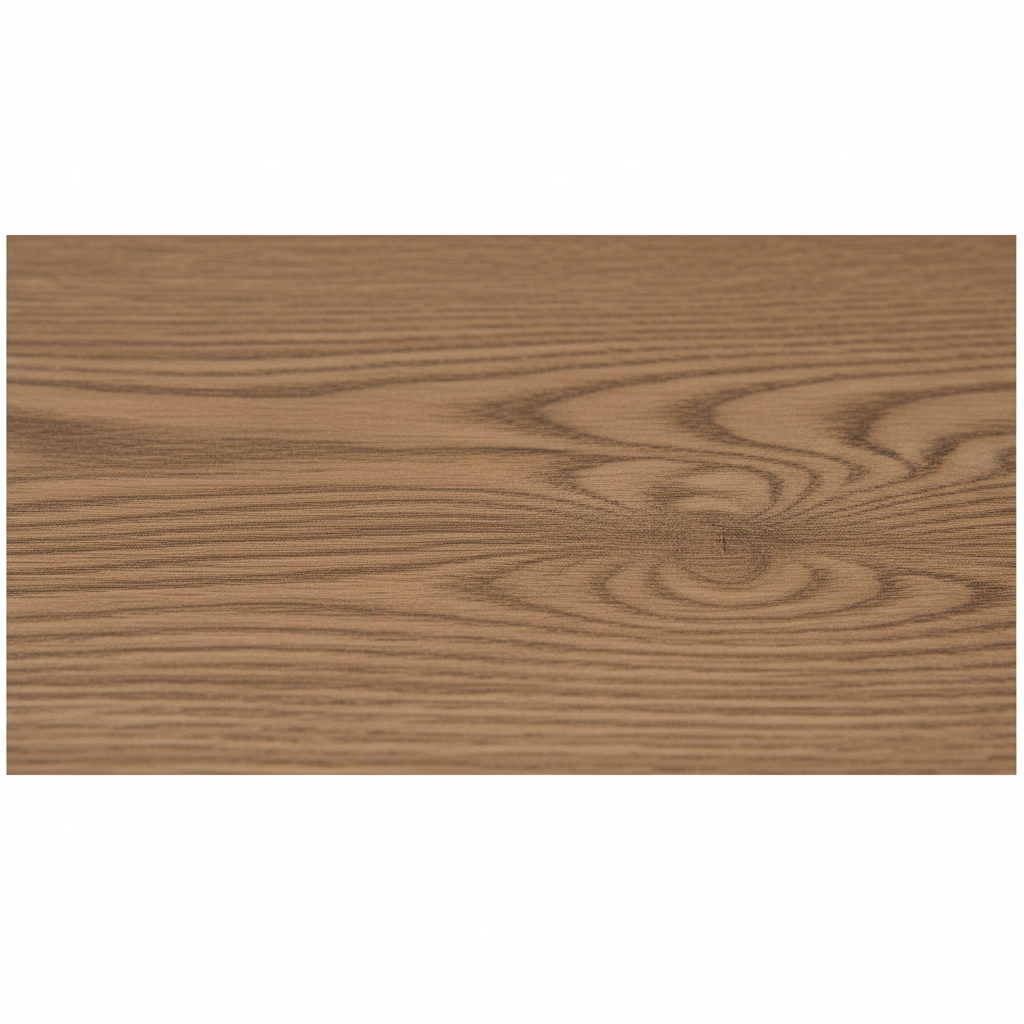
Vinyl Plank (LVP)
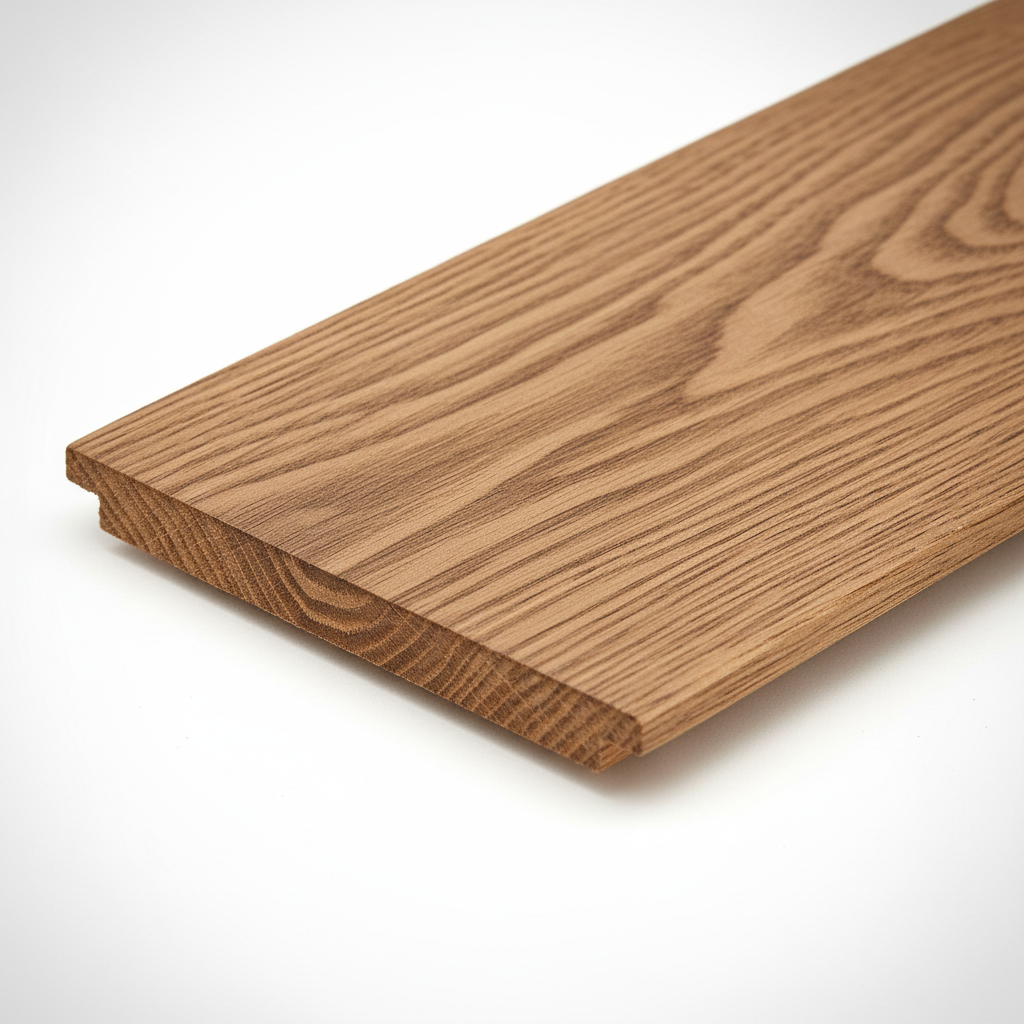
Engineered Hardwood
Key Takeaways
- Choose between specific flooring products, not category-wide promises.
- Start with the room, subfloor and moisture conditions, then compare the installation instructions, appearance, repair options and complete installed quotes for the products on your shortlist.
- Choose the product that satisfies the room requirements and your preferences at an acceptable total cost.
- Neither category guarantees a resale premium, a fixed lifespan or a universal installed-price advantage.
- Keep the installation and warranty documents with the quote, and resolve exclusions before ordering.
| Property | Vinyl Plank (LVP) | Engineered Hardwood |
|---|---|---|
| Surface Choice | Compare the specific design, texture and sample | Compare wood species, surface finish and sample |
| Moisture Suitability | Check product instructions and subfloor requirements | Check product instructions and subfloor requirements |
| Repair Planning | Ask about individual plank replacement and spare stock | Check repair, recoating and sanding eligibility for the specific floor |
| Complete Cost | Dated quote including preparation, accessories and installation | Dated quote for the same project scope |
| Resale And Service Life | No universal return or lifespan promised | No universal return or lifespan promised |
Vinyl Plank (LVP)
Pros
- Available in wood-look designs; compare actual samples in the room.
- Product-specific installation and maintenance documents let you check whether a particular vinyl floor fits the application.
Cons
- A water-related marketing claim does not remove subfloor preparation or moisture requirements.
- Ask how damaged planks can be replaced and whether matching material will remain available.
Engineered Hardwood
Pros
- Engineered wood provides a real wood surface.
- Some products may support future sanding and refinishing; verify the specific wear layer and manufacturer guidance.
Cons
- Do not assume every engineered floor can be sanded one or two times.
- Room suitability, moisture limits, installation method and maintenance remain product-specific.
Best Use Cases
Shortlist products approved for the room and site conditions. Ask the installer to document subfloor preparation and required moisture checks before pricing the job. For a basement, bathroom or other moisture concern, examine the exact product instructions and warranty exclusions; the room name alone does not establish suitability. Compare samples, transitions, acoustic requirements and repair plans before choosing.
Verdict
Choose the product that satisfies the room requirements and your preferences at an acceptable total cost. Neither category guarantees a resale premium, a fixed lifespan or a universal installed-price advantage. Keep the installation and warranty documents with the quote, and resolve exclusions before ordering.
Frequently Asked Questions
Related Comparisons
Acacia vs Oak
Acacia and oak hardwood flooring compared on cost, hardness, style, and durability. See how this exo
Read guideBrazilian Cherry (Jatoba) vs Oak
Brazilian cherry (Jatoba) vs oak flooring compared on hardness, cost, color, and maintenance. Find t
Read guideBamboo vs Hardwood
Bamboo flooring vs traditional hardwood compared on durability, cost, eco-friendliness, and style. F
Read guide